Teenage is quite a unique period in terms of human developmental trajectory. Being neither a child nor an adult – teenage is no easy piece of cake as is portrayed so realistically by Rabinder Nath Tagore in one of his iconic stories. Though the situation today might have become a little easier and more comfortable for a wanna-be teenager thanks to our child-centric education system and steadily rising awareness, it wasn’t always like this. Sample this popular quote on teenage
“Teenage is a time of great storm and strife, strain and stress.”
That remains the popular perception, though, despite the fact that later research has proven otherwise. Research does say that teenage is a time of a little emotional, social and academic turmoil, but most teenagers manage to navigate it relatively comfortably without facing any major hurdles on the way. Of course, crystallizing a personal self-identity is a major developmental task at this stage, which Eric Ericson has duly emphasized. The successful formation of a personal identity is major psychological milestone, which paves the way for a responsible, successful adult life. The unfortunate ones, who are unable to forge a clear personal identity at this time, may have to struggle with role confusion in a prolonged manner in later life.
Many teenagers commonly face many other impediments on their way to a successful transition to adulthood. Among them, poor self-confidence ranks quite high on the list. In simple parlance, self-confidence is the belief that you’ll succeed, which is related to one’s self-esteem and resilience.
Self-confidence helps us make safe, well-informed decisions and avoid unsafe situations.
Self-confidence is linked with one’s
- Self–esteem, i.e. feeling good and worthwhile about oneself
- Resilience i.e. ability to bounce back from difficulties and failures and cope with tough situations
- Self-compassion i.e. showing kindness towards yourself when events don’t work out the way you had hoped or planned.
If children feel okay about themselves and are aware that they can cope with tough situations, they will have more self-confidence to try out new things and tackle tough situations. In a way, it’s a positive cycle, which perpetuates itself to benefit the child.
Importance of building self-confidence for teenagers

Self-esteem comprises the thoughts, feelings, and beliefs we have of ourselves. Changing these opinions can’t happen overnight but there are steps you can take to help your teen break out of a negative thought pattern. Once you implement these interventions, seeing results takes time.
Having self-confidence helps a teenager feel that they can make safe, well-informed decisions and avoid potentially harmful situations. A confident teenager is assertive, positive, engaged, enthusiastic and persistent in efforts.
On the contrary, diffident teenagers shy away from joining activities, are more likely to hold themselves back in class, and are more likely to yield to peer pressure. A diffident teenager might expect to fail at new things or might not try as hard when things get tough.
As a case in point, a confident teenager, who faces problems with friends, may feel upset for a while. But they realize they can bounce back from the low mood to focus on the positive aspects of life, like other friends and family. On the other hand, a teenager with poor confidence may feel more upset or self-blame for their problems. It could affect their self-esteem and make them feel they aren’t worth being friends with.
Low self-confidence comes from specific life experiences and how we react to them. Most often, low self-confidence is a result of exposure to:
- Bullying in school, playfield or otherwise
- Some chronic medical conditions
- Feelings of loneliness
- Anxiety
- Parental criticism or neglect
- Negative friends
- Abuse or trauma
- Disruptive life events (e.g. divorce, shifting)
- Mood disorders (e.g. depression)
The Root Cause
Experts in parent child relationship counselling suggest that at the very heart of poor self-confidence lies the “inner” criticism and feelings of inadequacy.
- A good start to address this challenge will be helping your teenager identify and challenge this “inner” critic. Help them realize that these negative thoughts are based on judgments and do not reflect the reality. Also, try to guide them to turn such negative thoughts into positive self-affirmations.
- Teach them how to make positive self-statements and encourage them to make constructive talk a habit. Try to measure up to the same standard as a positive role model.
- While talking to them, stay clear of personal attacks and ridicule. Don’t generalize a one-off happening like “Put the trash bin out” become “You lazy! You always forget to do your chores.”
- Celebrate what they do well.
- Focus on the efforts made instead of looking for perfection.
- Re-look at mistakes as learning opportunities.
- Pinpoint triggers that lead to low self-confidence.
- Become adventurous and try new things.
- Own up decisions and opinions.
- Support them by being generous with praise for things well done in specific situations like cleaning their room, getting an A+ on a class test.) Use it to celebrate good choices and hard work.
Decision Making and Self-Esteem
- For budding youth, self confidence counselling is a must. Learning effective decision-making is crucial to a teen’s success, yet it remains a neglected domain, which requires practice. So, try to locate decision-making opportunities and help your teen by guiding them in the process. Teach them how to develop clarity over a given issue and tell them how to brainstorm possible solutions, pick one and evaluate its outcomes.
- Don’t judge them or belittle their choices. And also don’t make decisions for them. Teach them to become empowered by taking their own decision and owning up their consequences and make them feel adequate and capable.
- Let go of the parental reins and allow them to explore the possibilities. Mistakes are, no doubt, inevitable in this learning process but that’s life!
- Don’t get so serious to leave no room for laughter in life. Often, despite all our good intentions, we mess up the things. Taking such challenges in one’s stride and laugh over them builds resiliency.
Tips and Techniques for Developing Self-Confidence
Here are my proven 15 practical tips to help your teen become a strong, confident adult with a healthy dose of self-esteem.
Room for Failure
The frequent mistakes and setbacks a teenager experiences can crush their delicate self- confidence. Your intervention in such situations is a must. So instead of criticizing or panicking over a failure, take a deep breath and talk to your teen with questions like:
- How did things get off the track?
- What had influenced you to take this decision?
- What did you learn from it?
- What are your plans to move forward in a positive direction?
Use activities to tell them about accepting mistakes and using the failures to advantage. When failures are seen as learning experiences, obstacles become easier to cross.
Process and Outcome
Going overboard by gushing over your teen’s achievements is the easier part. But sadly, these achievements get tied to their sense of self-esteem and self-confidence, making them feel they’re worthwhile only for their achievements and aren’t worthwhile if they fall short.
A much healthier approach would be to congratulate your teen’s accomplishments by emphasizing the hard work, effort, and perseverance they have put in. A focus on the things that made them reach this point will help them connect their efforts and the result.
Remember, healthy and effective praise can build resilience, confidence, and self-direction among teenagers
Unconditional Love
Make them understand that your love for them is NOT dependent on their grades, performance, friends, college, or their choices or behavior. By tying love to performance, we miss the essence of unconditional love, which has to be given freely sans any limits.
This, of course, never implies that you and your teen can’t commit mistakes, experience bad days, or have arguments. Rather, it’s just a reminder of the overall message your teen should receive: “I love you no matter what and I’ll love you through ups and downs in life.”
As a life coach, I keep on getting many such cases wherein a teenager’s elf-confidence is crushed due to some unintentional comments made by parents or significant others. I remember Kanak Tulika, a doctor, had approached me some time back with complaints of poor self-confidence. Though she was a competent doctor and enjoyed a good reputation for her medical knowledge and skills, a certain something always kept her anxious and bogged down. During counseling, she revealed that once while she was in her teens, her mother had remarked that howsoever hard she might try to groom herself with make-up, it wasn’t going to change her looks. Though most probably, the remark was not made in a serious tone, it stuck to her mind forever and that’s what had brought her to me. Of course, with some counseling and therapy, she was back in her original form- alive, confident and springing with assertiveness.
It should be amply clear that parents need to be extremely mindful of what they say, imply or indicate while interacting with their teenagers to avoid doing things that might leave permanent emotional scars on a teen’s mind, which could become a handicap for life.
Growth Mindset
Many teenagers are often caught in a “fixed mindset” about their identity or capabilities and are unsure how to move forward. Bring a growth mindset into your family conversations. Talk about the inherent, untapped capabilities of our brain and mention to them the areas in which you’ve seen your teenager grow.
Pepper your interactions with these messages, drill into them that their abilities are not fixed, inborn, and inflexible, that there is always room for growth and improvement. Ask them to challenge their limiting self-beliefs and see the results for themselves to convince them of the utility of a growth mindset.
Give Reassurance
Let your teen navigate through the ups and downs of life and the overwhelming emotions to let them learn they are normal. Building self-confidence often means taking bold stands and taking decisions that impact peer groups or social standing.
Remind your teenagers they aren’t a “bad person” simply because they quit a toxic friendship or chose an activity over a boyfriend/girlfriend. Achieving growth and maturity are difficult, but it doesn’t mean your teen is doing something wrong.
Assertiveness
Making confident, clear, and persuasive communication isn’t really easy for everyone. Many teens don’t grasp the differences between assertive, passive, and aggressive communication. Talk to them how such nuances like the voice tone, body language and nonverbal cues can make or mar a conversation.
Encourage your teen to practice in front of a mirror to appreciate such nuances of communication. Standing tall and speaking clearly can improve how they feel, especially if they feel shy of entering a difficult situation.
New Skills
Teenage brings tremendous brain growth, but it also highlights teen struggles – physical, academic, social and emotional. These struggles can create negative self-worth. So, when you pinpoint an area of concern, encourage them to look at it as an opportunity for growth, learning and inculcating their interests and abilities.
Try to look for ways to build on things your teen is passionate about and explore situations to let them practice new skills.
Never-say-die Family
Many people mistakenly believe that they have to be self-confident before they tackle a difficult thing.
A remarkable thing coming from extensive research is that you don’t always need confidence for a growth mindset
Your teenagers can try something they’re not good at, even if they don’t feel confident initially. By sticking to something wholeheartedly, they develop a growth mindset and self-confidence along the way.
Encourage Self-Compassion
A growth mindset necessitates kindness and patience with ourselves. Contrary to popular messages in social media and peer group influences, your teen doesn’t have to have an outside opinion to prove their worth.
So, if you find your teen stuck in a negative or fixed mindset, encourage them to develop self-compassion.
Ask them to use mindfulness activities, positive mantras, and affirmations regularly. While they are struggling, encourage them to self-talk using the same words and the tone they would use if a close friend were in such a situation.
Practice
Make a safe space for your teen to work through tough situations. Give a free atmosphere to talk freely about challenges, peer issues, “unfair” teachers and overwhelming homework. And explore ways how they can manage these situations with self-confidence, address others respectfully and maintain their self-worth.
For teens who struggle with communication, use the safety of your home to try Role Play to practice a variety of responses, tones of voice, volume, and nonverbal cues.
Diversity in Activities
The teens involved in many activities, sports, volunteering, and educational activities have a higher sense of self-esteem and self-confidence. Notably, they aren’t crushed by a setback in an as other things feed their self-confidence. When a teenager engages in activities helping others, they earn a sense of purpose and meaning.
Less Advice
Watching your child struggle to learn or manage the consequences of an impulsive decision isn’t easy. It’s normal for a parent to try sharing their wisdom to smoothen their path. However, it has to be understood that learning to tackle challenges, brainstorm and solve problems can build your teen’s confidence.
Therefore, rather than spoon-feed them, engage them in the process and become a cheerleader, rather than a director. Listen as they explore where things went off the track and support your teen’s plan to move ahead.
Ask for Advice
We parents face challenges and failures in our daily lives, which we can use to show them we are humans and that we need help too! Make it a point to discuss your challenges with your kids and let them see you made mistakes.
Discuss the situation with them. Ask them how they would approach your problem. It will not only create a connection, but will also show them that you aren’t perfect and that you are learning, too.
Listen
Keep your relationship with them strong and build their self-worth by resisting the urge to turn everything into a “lecture”. Instead, focus on what they have to say. While at it, avoid making assumptions, judgments, or jumping to the offense.
Practice empathy by putting yourself in your child’s shoes and relating to them emotionally, realizing that responding with logic or reasoning may push them away. You don’t have to agree with your teen’s viewpoint to become empathetic. Focus on improving your listening skills rather than having the last word.
Model Confidence
Your teenagers watch and observe how you manage challenging situations and how you feel about yourself. Watch the conversations you have while your teens are around – be careful not to put others down, criticize yourself and make your happiness dependent on others or circumstances.
Make an honest assessment of your self-esteem and confidence and embrace a growth mindset! Look for areas you want to improve, find things that will build self-confidence and start!
You can’t compel a teenager to embrace a growth mindset, practice positive affirmations, or try challenging activities, but you can foster an enabling environment that nourishes such behaviors. With your support, they can build self-confidence which matches the images they often share on social media.
Counselling for Teenagers
If your teenager’s confidence plunges suddenly or if low confidence stops them from trying out new things, the first thing to do is: talk to them to help you find out what’s happening. If it is something beyond your ken, try to get help from a teacher, school counsellor or psychologist.
As parents, we want our teens to feel confident. But those involved in youth self confidence counselling say that the reality is – teenage years are full of change as teenagers’ brains undergo a “reorganization” that can leave them and their parents overwhelmed, exhausted, and confused. As teenagers search for their place in the world, many of them struggle through situations that challenge their self-beliefs they’ve held for years.
Experts in parent child relationship counselling often advise parents to nurture a strong relationship with their teenagers to make them confident while they are trying to meet the challenges of adolescence. Counselling for teenagers involves building a strong bond by forging open communication and a constant connect with them.
Be practical
Look for the practical and positive things your teenager can do to build skills and thereby achieve goals and experience success. Giving your child a clear strategy to improve their chances of success is a great way to do this e.g. Rahul, if you want to be part of the hockey team, make sure to listen to the coach and practice as per their advice.
Opportunities for new things
Trying out many different things helps one discover the one/s they’re good at and what they really enjoy. Your teenager also learn with time that most people excel at certain things and not so well at others, which is okay.
Encourage them to keep trying
If your teenager fails at doing something, help them understand the fact that everyone makes mistakes. You need to encourage your child to be kind to themselves if they are unhappy with their performance in a game. They could tell themselves ‘That didn’t go well but I’ll keep trying to better myself’.
Be a model of confidence
You could become a role model of confidence for your teenager by telling them about what you’re going to do to succeed in a task. For instance, you might discuss with them how you often felt nervous about making a presentation at your workplace but succeeded with practice over time. You could tell your teenager how you’re practicing it at home to be well prepared and confident on the day.
Encourage their self-confidence
You could also help your teenager by telling them acting confident can help them develop confidence. Teach them to make eye contact with others, smile and dress in a way that makes them good, and think good about their body posture. You can also teach them to do what they love, avoid threatening situations and try to avoid focus on what they can’t do.
Social skills
A socially anxious teenager might need some guidance from you. If such teenagers take interest in others’ activities and join in conversations, it can help them build confidence.
Praise their efforts
Those involved in counselling for teenagers suggest that should a test, interview, contest or game not work out the way they hoped, try to praise your teenager for the effort they had put in rather than the result. You could also guide them with some ideas about the difference they could make the next time to achieve success.
Stress has become quite a buzzword today thanks to its extraordinarily common prevalence, especially in the current COVID- 19 times. With the scourge of COVID-19 simply refusing to go away, the level of stress experienced by a majority of us stays or has shown a northwards trend. Given the situation, everyone talks of controlling or managing stress to lead a more peaceful and relaxed life.
Let’s first try to understand the idea of stress before we expand on the ways to mitigate it. In simple words, stress is a normal psychological and physical reaction to the demands of life. A low level of stress is actually good for you in that it can motivate you to perform well e.g. before exam time, the little stress you feel actually helps you study hard and do well in it. But facing multiple challenges on a daily basis like unending traffic jams, meeting deadlines and paying bills, managing a family – all can push you beyond your coping ability.
Our brain is hard-wired with an alarm system to protect us. So, whenever it perceives some threat, it sends a signal to our body to release hormones that increase our heart rate and blood pressure. This so-called “fight-or-flight” response triggered by the body provides us the fuel to deal with the threat – more oxygen, more energy, a sort of physical and mental rush.
Once the threat is gone, our body is supposed to turn back to a normal, relaxed state. Unfortunately, it doesn’t happen in many cases as the never-ending complications of modern life do not ever let some people’s alarm systems shut off. And this is an unhealthy state of mind and body, which can cause great harm to our mind and body in the long term.
Signs of excessive Stress
- Chest pain, rapid heartbeat
- Feeling of nausea or dizziness
- Chronic diarrhea or constipation
- Consuming alcohol or drugs to relax and unwind
- Eating too much or not enough
- Procrastinating or neglecting responsibilities
- Worrying non-stop
- Feeling overwhelmed
- Inability to concentrate on daily tasks
- Anxious or “racing” thoughts
- Feeling of being agitated, inability to relax
- Irritability, moodiness
Stress management
Stress management gives us the tools to reset our bodily alarm system to help our mind and body adapt (resilience). Sans such resilience, our body may always remain in a state of high alert. Over time, such chronic stress can create serious health problems. Therefore, it is advisable to not wait until stress actually damages your health, relationships and the quality of life. It’s much better to start practicing stress management techniques today. There are things you can do to relieve the pressure and regain control of life.
Job pressures, relationship problems or financial concerns are easy stressors to identify. But the hassles and demands of day to day life like waiting in a long line or being for a meeting can also raise your stress level. Even seemingly positive events like getting married or buying a new house can be stressful. In fact, any change in life can cause stress.
Remember, stress will not vanish from your life and thus, the process of stress management needs to be an ongoing one. By paying attention to the causes of stress and practicing relaxing ways, you can counter some of its ill-effects and improve your coping abilities.
Don’t feel like you have to deal with it on your own. Seek help from family and friends.
Importance of stress management
High levels of stress put our entire physical and mental well-being at risk. Stress brings havoc on our emotional equilibrium and physical health, limits our ability to think clearly, function adequately, and enjoy life in general. It seems as if there’s nothing you can do about it as the bills won’t stop coming, the day would have the same number of hours and your work and family responsibilities will always remain demanding. Fret not! You enjoy a lot more control than you may think.
Stress management can help you yank off the hold stress is chaining you with, letting you become happier, healthier, and productive. The ultimate goal behind this entire exercise is leading a balanced life with enough time for work, relationships, relaxation and fun and build the resilience to withstand pressure and meet challenges. But unfortunately, there isn’t any one-size-fits-all trick. That’s why you need to experiment and discover what works best for you.
Stress Management Techniques
Sources of stress
 Mind power training is an important component of learning stress management. Stress management training begins with pinpointing the sources that bring you stress. It may be easy to identify major stressors like a job change, job loss, moving and divorce, but pinpointing the reasons behind chronic stress is more complicated as our own thoughts, feelings and behaviors also contribute to stress.
For instance, you may be always worried about your deadlines, but the stress may be owing to procrastination, rather than the actual job demands. To identify the real sources, you need to look closely at your habits, attitude, and excuses and ask yourself:
- Do you justify stress as temporary even though it has always been there?
(“I’ve got hundreds of things in hand right now”)
- Do you call stress an integral part of your life (“Crazy things always happen here”) or personality (“I have a lot of nervous energy)?
- Do you put the blame for your stress on others or outside events or see it as normal?
Until you accept responsibility for the role you play in creating / maintaining it, your stress will remain outside your control.
Write a stress journal
For better stress management training, a life coach may advise you to maintain a stress journal to identify major, regular stressors and the ways you deal with them. Whenever you feel stressed, note it in your journal. This daily log will give you patterns and common themes like:
What created the stress?
How did you feel physically and emotionally?
How did you respond?
What did you do to feel better?
Be imaginative and Creative
I can vividly recall how I managed to maintain the morale of our workforce during the first lockdown post-COVID-19. The first Corona-induced lockdown was total, strict and quite frustrating for all, including our plant workers, many of whom were stuck away from their families. In fact, we had made lodging and boarding arrangements for many of them, whose families were staying far away and who were suddenly stuck there. Since no physical movement was possible, we evolved a creative solution and decided to keep them involved over Zoom meetings every alternate day, wherein we would discuss creative ideas and believe me, our collective energies and focus helped us create a biodegradable product in those stressful days. It gave them not only something meaningful to keep busy, but also resulted in a technological breakthrough, besides de-stressing them.

At a personal level, my doctor-in-the-making daughter was also stuck at home, feeling bored and stressed, with there being no college and the impending fear of another lockdown. I gently persuaded her to give a vent to her thoughts, which had been brewing in her mind for the past so many months. Not only did it give her a creative outlet, but also kept her meaningfully busy and made her come out with her first-ever published book A Million Dreams.
So, the mantra is – be imaginative and creative to de-stress yourself!
4 A’s – Avoid, Alter, Adapt and Accept
Stress is an automatic response of the nervous system but some stressors arise at predictable times – your travel to work, meeting with boss or family gatherings. While handling such predictable stressors, you can change the situation or change the way you react with mind power training. In this regard, life coaches advise you to practice the four A’s: avoid, alter, adapt, or accept.
Avoid
Avoiding a stressful situation that needs to be addressed isn’t healthy, but you can eliminate many stressors in your life.
- Know your personal limits and learn to say “no”. Taking on more than what you can handle is a sure shot recipe for stress. Try to distinguish between the “shoulds” and the “musts” and say “no” to taking on too much work.
- Avoid people who stress you out. If someone consistently causes stress, limit the time you spend with them or call it quits.
- Take control of your environment. If reading the newspaper gives you anxiety, put it away. If traffic snarls make you tense, take a longer but less-travelled route. If a visit to the market is unpleasant to you, do online shopping.
- Slim down your to-do list by analyzing your schedule, responsibilities, and daily tasks. If there’s too much on your plate, shift the tasks that aren’t truly necessary to the bottom or chuck them out entirely.
Alter
- If you can’t avoid a stressor, alter it by changing the way you communicate and operate.
- Give a vent to your feelings. If something/someone bothers you, communicate your concerns assertively in an open, respectful way. If you’ve got an exam and your chatty friend just dropped in, tell them you only have five minutes to talk. If you don’t express yourself, resentment builds, which increases the stress.
- If you ask someone to change their behavior, be ready to do the same. If you both are willing to bend a little, you can easily find a happy middle ground.
- Have a balanced schedule as all work and no play causes a burnout. Find a balance between work and family life, social activities and solo pursuits and daily responsibilities and downtime.
Adapt
- If you can’t change the stress agent, try to change yourself. Adapt to stressful situations and regain control by changing your expectations and attitudes.
- Reframe a problem by examining stressful situations from a positive perspective. Rather than fuming over the traffic jam, just pause, listen to music, read a book or enjoy some me time.
- Look at the big picture by taking a perspective view of the situation. How important will it be in the long run? In a month? A year? Does it deserve getting upset over? NO, then focus your time and energy elsewhere.
- Chasing perfection creates avoidable stress. Do not plan to fail by looking for perfection. Have reasonable standards for self and others, and try to be okay with “good enough.”
- Practice gratitude. When stress bogs you down, reflect on all the things you appreciate including your own qualities.
Accept
Some sources of stress are, indeed, unavoidable. You can’t prevent or change a loved one’s demise, a serious illness or recession. Accept them as they are. Acceptance may be difficult, but it’s easier than railing against something you can’t change.
- Many things are beyond our control, particularly others’ behavior. Rather than stressing out over them, focus on what you can control e.g. the way you react to problems.
- While facing major challenges, look at them as opportunities for growth. If your own choices had created a stressful situation, learn from your mistakes.
- We live in an imperfect world and people make mistakes. Let go of your anger and resentments. Avoid negativity by forgiving and moving on.
- Express yourself to have a catharsis. Talk to a friend or a family member.
Get moving
Of all the stress management techniques, physical activity can be a huge stress reliever as exercising releases the feel-good endorphins and it can also become a valuable distraction from daily worries.
While you’ll get the most benefit from regularly exercising for 30 minutes or more, it’s okay to build up your fitness level gradually. Even very small activities can add up over the course of a day. The first step is to get yourself up and moving. While regular exercise for 30 minutes or more delivers the best benefits, it’s okay to build your fitness level gradually by including small activities.
Just get up and move i.e.
- Put on some music and dance.
- Walk your dog.
- Walk or cycle to the neighborhood grocery store.
- Take the stairs rather than an elevator.
- Park your car at the farthest spot and walk the rest of the way.
- Join hands with an exercise buddy to encourage each other.
- Play ping-pong or some activity-based video game with your kids.
While any physical activity helps burn away tension and stress, rhythmic activities are especially effective in this case. Good options are walking, running, swimming, dancing, cycling, and aerobics. But make sure to choose something enjoyable so that you stick with it.
While exercising, try to pay conscious attention to your bodily and emotional sensations. Focus on coordinating your breathing with your movements. Notice how the air or sunlight feels on your skin. This mindfulness element helps you break the cycle of negative thoughts that accompanies overwhelming stress.
Connect
Nothing else is as calming than spending good face time with others who makes you feel safe and understood. In fact, face-to-face interaction triggers hormones that neutralize the body’s defensive “fight-or-flight” response, a natural stress reliever (besides staving off depression and anxiety). So connect regularly in person with family and friends.
Read: Dealing with Depression
The people you talk to may not fix your problem. They just have to be good listeners. And do not think about looking weak or being a burden as those who care about you will feel flattered by your trust you repose in them and it will only strengthen your bond. Building and maintaining a network of close friends can enhance your resilience to stressors.
- Reach out to colleagues. B. Help others by volunteering.
- Share lunch/ tea with a friend. D. Ask a loved one to check in on you regularly.
- Take someone with you to a movie/concert. F. Call or email an old friend.
- Go out for a walk with a workout buddy. H. Have a weekly dinner date.
- See new people by taking a class or joining a club.
- Confide in a teacher, mentor or an elder one.
Fun and relaxation
You can also reduce the stress in life by taking out some “me” time. Never get so caught up in the hustle and bustle of life that you forget your own needs as nurturing your own self is a necessity, not a luxury. You deserve it! With regular time for fun, you can handle the stress in life in a better way.
- Keep aside some leisure time and include rest and relaxation in your daily schedule. While at it, don’t let other obligations encroach on this time as you need a break from all responsibilities to recharge your batteries.
- Do some leisure activities that you enjoy – watching birds or stars, playing an instrument, or biking. And always keep your sense of humor intact, including laughing at yourself, which is a hallmark of emotional maturity. Laughter also helps you fight stress in many ways.
- Try out yoga, meditation, and deep breathing to activate the bodily relaxation response, which is the opposite of “the fight or flight” stress response. As you practice them, your stress level will decline, leaving you calm and focused.
Time management
Bad time managers always face a lot of stress. If you’re too stretched and are running behind schedule, staying calm and focused is impossible. Plus, you may be tempted to avoid all the healthy things you should do to control stress e.g. socializing and relaxing. There are things you can do to attain a healthier work-life balance.
- Make only reasonable commitments and avoid scheduling things back-to-back or packing too much into a day. Often, we underestimate how long things can take and then land in a problem.
- Prioritize your tasks by making a list of tasks and finish them in order of importance. Tackle the high-priority items first and so on. For something particularly unpleasant or stressful, finish it early so that the rest of the day feels more pleasant.
- Break your projects into small, manageable steps and focus on one step at a time, rather than taking on everything in one go.
- You don’t have to do it all by yourself. If other people can take care of the task, why not let them do so? Avoid controlling or overseeing every little step, thereby letting go of the unnecessary stress.
Balance with a healthy lifestyle
Besides regular exercise, other healthy lifestyle choices are an important part of stress management training that can improve your resistance to stress.
- Eat a healthy, balanced diet as a well-nourished body is better prepared to cope with stress. So be very mindful of your eating and begin your day right with a healthy breakfast and follow it with balanced, nutritious meals through the day to keep you active and your mind clear.
- Try to limit the caffeine and sugar intake as the temporary “highs” they bring often end with a mood crash. By reducing the intake of coffee, soft drinks, chocolate, and sugar snacks, you’ll feel more relaxed and will sleep better.
- Stay away from alcohol, cigarettes and drugs. Alcohol and drugs may be an easy escape from stress, but the relief is only temporary. Don’t evade the issue at hand. Deal with it head on and with a clear mind.
- Adequate, quality sleep rests your mind and rejuvenates your body. Feeling tired worsens your stress as it may cause you to think irrationally.
Quick, Momentary relief
- If you’re harried by your morning commute, are stuck in a stressful meeting or are hassled over an argument with your spouse, you need a quick stress management technique.
- The quickest route to stress relief is deep breathing. View a favorite photo, smell a specific scent, listen to your favorite music, hug your pet to quickly relax and focus yourself. Of course, you will need to experiment and discover the unique sensory experiences that work best for you.
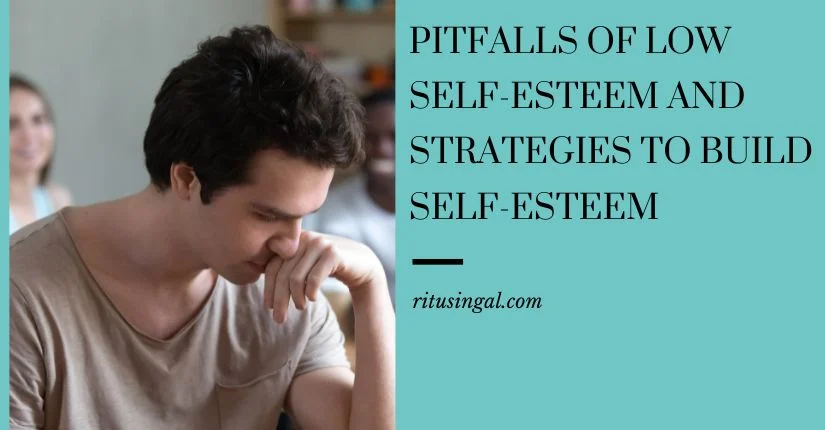
In very simple terms, your self-esteem is your overall sense of yourself as a person i.e. self-value. It is basically your own opinion about yourself and covers a vast range of issues- your sense of identity, self-confidence, feelings of worth, competence and belonging. Self-esteem plays an extremely crucial role in many areas of life e.g. achievement, task completion, success etc., which is why having a poor self-esteem can be a serious psychological problem.
Self-esteem is not only liking yourself in general; rather it also implies a belief that you deserve love, respect and attention and valuing your own thoughts, feelings, opinions, interests, and goals. Self-esteem not only affects how you feel about and treat yourself, it can also affect how you let others treat you. It impacts the levels of your motivation to chase the goals you want to achieve in life and your ability to develop healthy and supportive relationships.
What is low self-esteem?
People with healthy self-esteem tend to think positively about themselves and life in general. Such people know they are valuable and can name at least some positive qualities they have like “I am a good co-worker”, “I am compassionate”, “I am honest”, or “I am good as a parent”.
On the contrary, people with poor self-esteem see themselvjes, the world and the future negatively and critically. They may be anxious, sad, low or unmotivated and upon encountering challenges, they doubt their ability to handle them. They may indulge in harsh self-talk: “I am stupid”, “I’ll never manage it”, or “I’m crap”.
A person suffering from low self-esteem may try to please others or go the extra mile to please friends and family. So long as they meet these standards, they feel OK, but there will be times when it’s not possible to do so, and it can leave them feeling low and anxious.
Self-esteem can be thought of as existing on a spectrum. Some such people find that it only affects them with certain people or in certain situations. On the other hand, other people may find that their self-esteem may be much more global and colors everything that they do.
Diagnosis of Low self-esteem
Low self-esteem should be diagnosed by a qualified mental health professional. However, answering these questions can give you a good idea of whether you need to have a professional assessment for a proper diagnosis.
- I feel I’m worthy, at least as much as others are.
Strong agreement Agreement Disagreement Strong disagreement
- Overall, I am satisfied with myself.
Strong agreement Agreement Disagreement Strong disagreement
- I have never felt useless or worthless.
Strong agreement Agreement Disagreement Strong disagreement
- tend to give myself kind encouragement if things go wrong.
Strong agreement Agreement Disagreement Strong disagreement
- I have many good qualities.
Strong agreement Agreement Disagreement Strong disagreement
They can’t provide a definitive diagnosis, but if you have selected ‘Strong disagreement’ for many of these questions, you may be having problems with low self-esteem. You may speak to a qualified mental health professional about it in order to get relevant help.
Low Self-Esteem- Signs and symptoms
Poor self-esteem affects thoughts, emotions, and patterns of behavior. Many a time, its signs may be apparent, but in some cases, they can be much more subtle and harder to detect. Some low self-esteem people talk negatively about themselves, while others go the extra mile to please others in life. In either case, the lack of personal worth can negatively impact a person’s life and wellness.
Negative Social Comparisons
Social comparisons can work positively by enhancing a person’s sense of self and by motivating others towards greater, higher action. But such comparisons can also damage self-esteem. People with low self-esteem are more likely to do upward social comparison, or making comparisons with people who they think are better than them.
In fact, upward social comparison isn’t bad per se. In fact, these comparisons may provide information and inspiration for improvement but if people are left with feelings of inadequacy or hopelessness, it can inhibit self-esteem. Comparisons need to be made very tactfully and carefully so as to counter their possible negative consequences. In fact, it needs to be evaluated how the listener takes to such caparisons and how the said comparison is made.
The ubiquitous impact of social media may worsen the problems related to such comparisons. People who often compare themselves unfavorably to others on social media like Facebook and Instagram may experience a hit to their self-esteem.
Low Confidence
People having low self-confidence have poor self-esteem. Having self-confidence and confidence in your abilities allows you to know that you can handle different situations. This self-belief makes you feel comfortable and confident while you navigate the different things in life, which plays an important role in success and your overall well-being.
Low self-esteem contributes to a lack of confidence, but poor confidence can also cause or worsen low self-esteem. Therefore, finding ways to gain self-confidence and confidence in your abilities can help. Trying to practice and acquire new skills can boost your confidence and self-esteem.
Feelings of lack of Control and Helplessness
Low-esteem people often have a feeling of having little control over their life or what happens to them. It may be attributed to their feeling that they have little ability to changes themselves or the world. With this external locus of control, they may feel powerless to do anything to solve the problems they are facing.
In situations where people have little control over what happens, higher self-esteem can help relieve some negative effects of this lack of control, which ultimately benefits their mental health.
So, for someone struggling with a feeling of having no control over life or situation, finding ways to improve self-esteem may help their well-being.
Problems Asking for What You Need
A person with low self-esteem may have difficulty in asking for what they need. Because of their low self-esteem, they feel they don’t deserve help and in fact, may feel embarrassed or incompetent by expressing their need for help and support. Since they don’t prioritize their desires, they feel problems with asserting themselves while they are in need.
Trouble Accepting Positive Feedback
A 2017 study published in the Journal of Experimental Social Psychology says that people suffering from low self-esteem cannot accept or capitalize on others’ praise, approval or compliments. Due to the lack of a positive self-opinion, such people have difficulties with accept compliments from others.
Interestingly, such positive feedback is often greeted with suspicion and distrust by them as these words do not align with their self-beliefs. Therefore, the low self-esteem people may feel that the other person is actually being flippant or even deceitful or cruel.
Worry and Self-Doubt
Such people often worry about having made a wrong choice. They doubt their own opinions and may often defer to others’ opinions instead of following their own choices. It can often cause much second-guessing and self-doubting, which makes it even harder for them to make important life decisions.
Fear of Failure
Due to the lack of self-confidence, such people doubt their own ability to achieve success. They fear failure and either avoid challenges or give up quickly without trying hard.
Such fear of failure is seen in acting out when things go wrong, looking for ways to hide feelings of inadequacy, excuses, blaming external factors and trying to downplay the importance of the task.
Poor Outlook
Low self-esteem makes such people hapless in that there is little chance of future being any better. This hopelessness can make it hard for them to bring about positive changes in their lives.
Self-harm is also a common technique of coping with such feelings. By finding obstacles to prevent success, low self-esteem lets them find something else to blame for their shortcomings.
Negative Self-Talk
Low self-esteem people often focus on their flaws rather than strengths. They always have something negative to say about themselves, blame themselves for things gone wrong and always find some fault with their appearance, personality or abilities.
Trying to Please Others
Pleasing others is another common symptom of low self-esteem. Such people may go above and beyond to ensure others’ comfort and happiness and gain external validation. In the process, they neglect their own needs and say yes to things they may not want to do, and feel guilty about saying no.
Impact of Low Self-Esteem
Low self-esteem is linked to many mental health problems like:
- Anxiety
- Emotional distress
- Risky behaviors
- Substance use
- lack of concentration
- Eating disorders
- Panic disorder
- Social anxiety disorder
- Stress
- 1.Low self-esteem makes goal achievement and forming healthy, supportive relationships a difficult task. It can also contribute to mental health problems including anxiety and depression. Low self-esteem is also likely to make such people vulnerable to suicidal thinking.
- Low self-esteem makes people over-sensitive to criticism or rejection. While someone with a high self-esteem can shake off negative feedback, someone with poor self-value may take it more personally, who is more likely to give up in the face of challenges.
- They often engage in behaviors designed to help preserve their limited self-worth i.e. acting sad or sulking to garner support from others. Unfortunately, such behaviors backfire and instead of getting the support they need to boost self-esteem, they end up with others’ negative reactions.
Coping with low self-esteem
Low self-esteem takes a heavy toll on emotional well-being. Thus, it’s important to address your sense of self and get the needed support. There are things you can do to protect and improve your self-regard:
Hopeful Thoughts
Spend a little time daily having positive, hopeful thoughts. Notice the things you are good at and let yourself feel proud of them. Think of the past when you made it through something really difficult and remind yourself that though you may not feel your best now, you have the ability to get through it.
Care for Yourself
Investing time and energy in your own care and comfort isn’t indulgence —it’s vital to your mental health. Poor self-esteem can give a feeling like you don’t deserve care and consideration. Remind yourself that you need care and show kindness to yourself. Spend some time on things that you enjoy. Give yourself rest and relaxation.
Outside Support
Share your struggles with someone – a friend or family member, a doctor, therapist, teacher, or an elder – who can give you unconditional support. Caring people who value you and want you to value yourself can help you improve your self-esteem.
Causes of low self-esteem
Low self-esteem results from the negative beliefs and opinions you have of yourself. But none is born with such beliefs and they develop from life experiences – How others treat you, particularly during early years can greatly affect how you see yourself. Some experiences that contribute to poor self-esteem are:
Punishment, abuse, neglect
Punishment, abuse, and neglect are very powerful negative experiences. Children affected by them often mistakenly conclude they are bad and deserve such experiences.
Inadequate warmth, affection, praise, encouragement
You may not remember anything visibly traumatic happening but wonder why you feel this way about yourself as you can develop low self-esteem without any specific negative experiences. It can happen through a deficit of enough positive ones. Lacking enough reinforcement that they are good, special, or loved, children can form an impression of being not good enough.
Failure to meet others’ expectations
Not meeting someone else’s expectations may cause you to feel you are not good enough. It doesn’t matter whether the standards were fair or balanced, what stays is their failure to meet them.
Inability to fit in with your peer group
The feeling of belonging to a ‘group’ is important in life and is a human survival need in a social sense. Being different or the ‘odd one out’, and therefore, being cast out, especially during adolescence when a personal identity is being created, can impact the sense of self.
How to build self-esteem

Notice Your Thoughts
Pay attention to the automatic negative thoughts you have. Identify your cognitive distortions and replace unhelpful thoughts with positive thinking.
Forgive Yourself
If you always ruminate over your failures, learn to forgive yourself and move on. It can keep you focused on the things you can do better instead of the negative things in the past.
Practice Self-Acceptance
Forget that you have to be perfect to have value. Accept yourself as you are today. Of course, it doesn’t mean you don’t want to make any changes in yourself, but it is important to recognize that you deserve love and esteem from yourself and from others.
Value Yourself
Think of the things you have accomplished and take pride in. Appreciate your worth and talents without making comparisons. You don’t need to become better to value yourself, but learning to value yourself can help you work towards your goals.
It can also help to think of yourself as you would a friend. How would you treat someone you care about who is in a similar situation? You may find that you would try to offer them understanding, patience, empathy and kindness. So it is important to show yourself the same unconditional support.
Practical Tips to Build Self-Esteem
Here are some practical tips on how you can build self-esteem:
- Do something that makes you feel good about yourself.
- Stay physically active as exercising can help improve your mood.
- Think about something you are good at to build self-esteem.
- Keep a gratitude journal.
- Challenge a negative thought.
- Spend time with people who make you feel good about you.
- Volunteer to help others; it helps you feel good about yourself.
- Remember that everyone makes mistakes, learn from them and move on.
- Celebrate your accomplishments, both big and small ones to build self-esteem.
Treatments for low self-esteem
A number of psychological treatments have been developed to directly target low self-esteem or self-criticism. The ingredients of effective therapy for low self-esteem include:
- Identifying core beliefs
- Identifying your rules for living
- Developing healthier rules and beliefs for healthy living
- Testing negative predictions using behavioral experiments
- Facing fears and tackling anxiety-provoking situations
- Replacing self-criticism with self-compassion
- Living according to new core beliefs
In general, no medical treatments are prescribed for low self-esteem. Wherever low self-esteem accompanies other problems like anxiety or depression, medical treatments may be recommended.
Read: Dealing with Depression
Cognitive Behaviour Therapy
Cognitive Behavior Therapy (CBT) is one of the most effective treatments for low self-esteem. CBT therapists are more focused on what sustains it and what they can do to put it out. If we can grasp what keeps a problem going, we can treat it by interrupting this cycle.
Throughout life, you form negative beliefs about yourself on the basis of how you have been treated i.e. ‘core belief’- how you feel about yourself deep down, for example “I’m useless” or “I’m a flop”. Since confronting such core beliefs is unpleasant, we develop rules of living that protect us from our core beliefs and guide how we live. So long as the rules don’t get broken, the core belief remains dormant. For example, people with poor self-esteem often have demanding and rigid rules like “I must please other people”, or “As long as I’m not criticized, I’m OK”.
But the moment a rule is broken, it can create great anxiety. If one of your rules is “I’m fine as long as all others are happy”, it may cause anxiety if people around you are not happy. You may feel like a failure.
Whenever there is a danger of the rules being broken, you might get anxious about what might happen and fear the worst outcome or might self-talk critically or avoid tricky situations and use coping strategies.
You make rules to protect yourself, but they are often inflexible and stop things from getting better. Although these safety strategies can make you feel good in the short-term, they keep your core belief from changing, thereby keeping your self-esteem poor.

The word personality has become a very common currency in our day to day life and in the current social discourse. It is that tangible-yet-somewhat-unfathomable feature the employers look for among job aspirants and something that people look for in prospective partners. But the billion dollar question is: what is personality, after all, and can we set its boundaries clearly by defining it?
Before we begin talking about personality, let’s try to get it: Personality is not about being a well-dressed, smart-looking person, though it can help. Rather, it is the typical ways in which you perceive the world, think about it and act – all these things make you a unique personality.
Personality goes much beyond superficialities. When we label someone a good personality, we are, in effect, saying that they are interesting and pleasant people to be with. We all would love to look attractive and pleasing and to this end, having a good personality is vitally important: in fact, much more than having just good looks. Of course, we need to work on figuring it out and developing it further.
Since personality is the sum total of your qualities, quirks, characteristics, beliefs, attitudes and psychological traits, personality development would involve an enhancement in all areas of your life. A clutch of factors pertaining to heredity, environment, family and societal conditions play an important role in influencing and shaping personality. Therefore, one would need to work in all these areas to bring about a well-rounded development.
Mercifully, there is ample research to suggest that we can certainly change our personality traits provided we want to do so. You can become the best version of yourself. – confident, enthusiastic and serene, if you really want to. A personality that makes you stand out and help you get what you want from life.
The process may take considerable effort, but you can start with these easy and effective techniques and see a perceptible transformation in your whole personality. For those serious about bringing a positive holistic change in their life, personality development may become the most rewarding enterprise one could have ever undertaken.
Based on my experiences as a life coach, here is my To-Do List for having a great personality:
Personality Development Counselling
Be kind (towards yourself!)
A feeling of self-compassion brings optimism, extroversion, wisdom, happiness, positivity and resilience. Self-compassion involves three steps:
- Recognizing that you deserve care and concern and for that to happen, you must be kind and understanding towards yourself.
- Accepting that making mistakes and facing failures are part and parcel of life. So, do not be hard on yourself when you commit a mistake or face a failure and try to avoid self-criticism.
- Trying to become self-aware in terms of your emotions and feelings. Of course, self-compassion does not mean imply lack of accountability and recklessness. Rather, it means taking corrective action without getting too self-critical.
Celebrate your uniqueness
As a life coach, if I have discovered the biggest myth people have about themselves, it is this: they mostly wish they were someone else. Feel confident in your own skin by not comparing yourself with others as the constant comparisons blocks our own strengths from our views. The other person tends to assume more strength in our mind. But the truth is: you’re unique and incomparable and this uniqueness must be celebrated.
There was a time when you were required on this planet and that’s why you were sent here. In the history of the universe, there has been nobody like you and for an infinite time to come, there won’t be anyone else like you. Existence loved you so much that it broke the mould after making you, so none of your kind will never get born again. That way, you are original, rare, a wonder and a masterpiece. Celebrate your uniqueness.
Perfectly imperfect
Some of us are very tall, others quite puny, some obese, others lanky. If we compare ourselves with the currently popular media standards of physical appeal, our imperfections often agitate and trouble us. So much so that getting agitated becomes a habit and our grumpiness becomes a personality trait with age. But remember, people who are relaxed or chilled out, live happier and healthier and can charm people with their relaxed vibes. To feel cooler, give room to imperfections as those around you, the situations and your own personality don’t always have to be the way you want them.
Be a good listener

- A Kannada couplet says that words can create laughter and can also create enmity. A skillful communicator can easily win over people and adverse situations. So, bring clarity in your communication with practice. Learn how you can be an excellent communicator using the resources available online and offline.
- Good communication is the time-tested key to good interpersonal relationships. With clear communication, you can navigate through adverse situations and resolve conflicts that might seem unsurpassable at first. So, clear your thoughts and make sure to communicate whatever has to be said.
- Besides having good speaking skills, it’s important to develop good listening skills too. Listening to someone keenly and carefully makes them feel pampered like nothing else can. It implies giving utmost importance and respect to the speaker and makes you an instantly likeable person.
- While listening, look the speaker in the eye, hang on to every word said, and make them feel important. Convey your involvement during listening with an occasional hmm of yours and a nod of your head.
- As for me, I have learnt a lot by becoming a careful listener. Of course, it is essential in my profession as a counselor and life coach in order to draw the other person out fully, but it’s equally important in life, in general.
- Good speaking skills warrant that you call your audience by name. They will just love it! So, ask them their names and while responding to them, address them by their name. I do so frequently in my seminars to build a personal rapport and make them feel comfortable and connected. Calling by name conveys that you consider the other one a living, thriving entity that you really recognize and respect.
In this context, I recall Jacqueline Kennedy Onassis, one of the most charming women thanks to her listening skills. She was known for the way she would look a person in the eyes, catch every word said, and make them feel important. There is nothing more appealing than having someone listen to you intently making you feel like you’re the only person in the world.
Diversify your interactions
The more you interact with different kinds of people, the more confident and comfortable you will become. It will expose to a vast range of divergent ideas on different issues and help you develop a holistic and balanced perspective on so many things. As a result, your communication skills improve, and your personality dazzles.
Expand your interests
- The secret to becoming an interesting personality is learning – by reading and developing new interests. In this manner, you can share your knowledge and views with others to benefit them. It can make you a good talker as the conversational quality depends on how much you know.
- Remember, no one is a know-all; so it’s quite refreshing to learn new things from other people.
- Develop effective speaking habits to convey your message well. There are plenty of online resources can to help you learn listening, networking and persuasion skills.
Travel light
Being light in mind and heart reflects in your behavior with others. People also feel light in your company. A good way to do so is to avoid over thinking and over analysis. Don’t let shame, anger, jealousy or greed stay with you for too long. So, learn to take it easy, forgive quickly and let go of grudges against people as soon as they pop up. Once you’re done with a task, let go of your attachment with the results and when you do so, you become free, calm and relaxed – which all are attributes of a strong personality? You will also feel happy from within. And who does not like happy people?
Seed qualities
We don’t really get the qualities we like among our peers with jealousy or insecurity. In fact, that thing only makes us mentally weak. A much healthier way is to applaud the qualities you like among others and recognize that these qualities are within you too like a seed, which you can cultivate with attention and practice. If you are able to foster it, it would be a growth mindset, the kind of attitude designed for success.
Be enthusiastic
We all like people with whom we can easily mingle and talk. No one likes to meet a person who responds with a straight face. So be warm and enthusiastic. Flash that smile more often, be friendly and be always ready to share and help others. Your smile is the best add-on to your personality. Put it on when you look at yourself in the mirror, while having a good day, and also on a bad one!
Everyone loves to meet enthusiastic people. Having enthusiasm helps you by making your everyday tasks more enjoyable and by pulling others people towards you. Meditation can help you feel enthusiastic, calm and composed at the same time.
Get out of comfort zone

As soon as you push yourself out of your personal comfort zone, you realize many new qualities and potential you never knew about. So, if you are comfortable doing 10 pages of writing a day, try to improve your capacity by a certain ratio. Getting out of a comfort zone can help you polish your problem-solving skills. You may be surprised at the results! Try it!
Positivity
- No one would like to be surrounded by a complaint box or those with nothing good to say.
- Be an upbeat person, who lights up a room with personal energy and positivity.
- A warm smile, cheer, and enlivening presence can create wonders.
Laugh it off
- Ever heard of black humour – finding humour even in tragic situations, like in the movie Pipli Live? Everyone enjoys being with those people who make us laugh or smile. Try to develop the habit of finding the humorous, quirky side to every situation, however bad it may be. Comic relief is a much welcome and needed diversion at times.
- Adding fun and lightheartedness to a dull setting naturally attracts others and makes them grateful to you.
Have opinions
- Reading gives you knowledge, which leads to opinions. It is extremely boring to talk to someone with no opinions.
- Remember, a conversation doesn’t go anywhere if you have nothing to say.
- Having an uncommon or out-of-the-box opinion makes you more stimulating.
- If you are not comfortable to put forth your opinion and disagree on something, try doing that albeit calmly and maturely. You will be surprised at what comes out of you.
Be social
- Make a conscious effort to interact with more people, especially those unlike you.
- You get exposed you to different cultures, alternative thoughts, which expands horizons, besides making you more tolerant.
Being yourself
- Try to be yourself as trying to be someone you’re not is boring and can’t stay forever.
- Remember, your being unique makes you interesting.
Giving a shoulder
- Help out and support others. It endears you very quickly.
- We all love cheerleaders, who encourage us and pick us up while we’re down.
Integrity and respect
- Be truthful and honest to your word to earn others’ admiration and respect.
- Integrity and respect for others makes you impressive.
Think like a leader
A leader is not just by position; They are people who take responsibilities without waiting for someone else to give them. Just thinking like one can nurture the leadership traits in you. Take responsibilities and live up to them. It can help you bring change and influence on others.
Leadership qualities that help you to achieve greater success:
Stay away from negativity
When you feel good inside, it is reflected on the outside also. And the ideal way to save your mind from negativity is to not resist it but to observe it dissolve itself on a daily basis. Meditation is one way of achieving it.
Meditate
With regular meditation, letting go and feeling relaxed becomes quite easy. Daily meditation will also make you more focused and happier, beside yielding many other health benefits.
Be a lion
Don’t cave into outside pressures and try to face all challenges confidently. Either you will overcome adversity or learn something precious. It’s a win-win situation, either way! Being calm strengthens one’s personality. However, staying calm may be difficult when you have a terrible headache and arte having an urgent deadline to meet. In such a situation, tap the power of breathing. An awareness of your breathing can help you find calmness amidst any kind of situation.
You’re a proton
A proton never loses its positivity. Nor can you. Stress may affect us often on the outside but your inner core keeps radiating positivity like a proton does by being unaffected, happy and peaceful. Tune into this part of yourself with the help of meditation to energize yourself and bring out positive traits like enthusiasm.
Be Optimistic and grateful
Positivity is the key to a healthy and peaceful life. So expelling negativity from your life will certainly improve your mental stability. Studies show that positive thoughts reduce depression and anxiety to a substantial level.
Remember to practice gratitude and be thankful for all the small and big things that you take for granted. You may not wear the best shoes, but look at those without feet and you will start feeling grateful for your incredible feet that can take you anywhere, anytime. There are many who lack even such basic human luxuries.
Be confident
Cultivating confidence is the first step towards personality enhancement. Confidence gives rise to self-motivation and makes one aware of their inner capabilities. Science shows that when people feel confident, the chemical changes happening in their brain lead them to a point when they actually start believing it. So, have confidence and know, whatever happens, you can handle it successfully and you, actually, will.
Never quit
When people lose hope, they feel like quitting. Quitting is one of the worst things you can do while building self-confidence or while improving the quality of life. Remember, you owe it to yourself to take a second chance and achieve the dream that keeps you up at night. And whenever you feel like quitting, think about why you started in the first place.
Don’t compare
Everyone has their own story. No two people are identical. However, we have a common tendency to focus on what others achieve instead of seeing how far they have reached.
To achieve success, assess ‘your’ abilities, analyze ‘your’ situation and develop a plan that works for “your” goals.
Don’t chase perfection
No one in this world is perfect. Every person has flaws. So when faced with criticism, accept it if it’s positive and let it go if it’s not. Have a habit of looking at your flaws objectively and work on them to eliminate them one step at a time.
Be focused
By developing focus, you can channelize your personal energy to the most critical aspects of your life. Decide your priorities and focus on them. Try to know what matters most to you and avoid distractions that derail you on the way.
Dress confidently
Everyone has bodily flaws and feels incompetent from time to time. But dressing in what one feels comfortable and confident, can help you tide over tough situations.
Rome wasn’t built in a day
Many traits like the ability to let go, feeling light, enthusiasm and so on can’t be made a part of personality overnight. You need time, effort and a change from within to achieve such transformation. Breathing awareness and meditation can bring out this inner change by removing deep-rooted stress, which results in a calmer, stronger, and happier person.

Our work defines our very being – what we are all about. Our work determines where we spend about one-thirds of our adult life, gives us a professional identity, dictates our living standards, where and how we enjoy ourselves after work, where and how we live and where our children study and play. Quite simply, our workplace is the fount of most of what we experience in our routine life.
Naturally, an employee always dreams of a dream workplace, where they get to work in a congenial, facilitating and enabling environment, which allows them to meet professional and personal aspirations. On the other side, the employer would like to have a proficient, dedicated, sincere and result-oriented worker. Luckily, should the twain meet at all (which does happen many a time), it can be a hunky dory situation. But unfortunately, the commonplace reality is starkly different from it.
Workplace challenges have become a common source of stress in today’s workplace. Of course, it is utopian to expect a workplace having roles, expectations, and personalities in perfect tandem, without any conflict and a happily-ever-after scenario! But we all know well how many marriages are actually made in heaven! The reality bites hard and quite often, results in many workplace challenges, which affect the employees and the employer. However, the workplace challenge an employee faces is hardly ever totally personal; it mostly becomes an organizational issue, which has the potential to create a severe crisis in many cases.
Common Employee Problems
In the coming few paragraphs, we’ll talk about some common employee problems and solutions:
Fitting In
Assimilating themselves into a new work culture can be frustrating for a new employee. A good solution to this problem is to let the new joinee know coworkers by working in teams. Teamwork fosters common interests, builds trust and friendships. Remember, though asking a question may cost something, not asking it costs even more; so, if you don’t understand something, ask in a friendly and respectful manner.
Attitude, manners, and work habits – all of them indicate that you are a professional. We need to keep in mind that there’s nothing like a one-size-fits-all work culture. Now, there are those corporations which encourage casual dressing and come-as-you-please office timings but there are many more with far stricter rules. Experts recommend an acculturation policy for new recruits else they take many things for granted and flounder on their way.
Though office gossip is inevitable, it has marred many a career. One never really knows the real intentions of the guy with whom they are gossiping at coffee time. The other guy may be actually provoking you to come out with something negative by making negative comments about your boss. Alert: Avoid the trap and as far as possible, stay away from it. Gossip travels faster than you think!
A new employee has to wait to earn the co-workers’ trust. Therefore, listen and observe before you suggest any changes in a solution-oriented approach. And while doing so, be clear-headed, fair and reasonable.
Mistakes do happen all the time and are a necessary evil, so to say. Admit them, apologize and move on as giving excuses or covering up compounds the problem. Evolve a solution to fix the problem at the earliest. Forgive yourself, and move on.
Suppose while working on a crucial task, owing to an unintentional mistake, some issues happened which could delay the deadline.
- Don’t panic!
- Admit your fault and assume the full responsibility, regardless of whether it was unintentional.
- Explain the details of what happened and how plan to lessen the damage.
- Learn your lessons. It won’t correct the mistake, but you won’t lose your manager’s trust by a fair margin.
2. The “boss” of all problems

The “boss problem” looks to be the “boss” of workplace challenges. The problems employees have with their bosses can be emotionally and physically taxing. They often come from a boss’s working style, which is very often dependent on their personality. But no less common reason is the employee’s working style.
In these cases, from an employee’s angle, the first thing to do is finding out what the boss does / does not do that upsets him. The next thing is asking why. It is helpful to examine the problem from both the sides – yours and the boss’s. Make a plan about how to talk it out with the boss and do not blame, accuse or vent your anger as anger drains energy and can create unpleasant situations for you. Instead, try to adopt a collective “we” approach, thereby indicating your organizational belongingness.
A different piece of cake
You were hired in your chosen department, but with time and a change in requirements, your duties have changed, and you have to do the work you were never interested in or had never expected to do. Fret not, have an open talk with your manager in a calm, collaborative tone and explain how your task doesn’t match the profile you’ve been interested in. While doing so, provide a clear picture of your wants and request them to adjust your work accordingly. Their response may be in your favor or not, but it can help your reporting manager think of utilizing your skills more effectively without affecting your level of interest in your work.
Too much workload
Sometimes due to a proactive approach on your part or to fill in for an absent employee, you may have to take up extra work. It may become unmanageable as you will have to discharge the extra burden besides your own tasks that you need to complete. To tackle this one, explain to your reporting manager that your workload isn’t bearable, along with specific details about why. You can make a request to add a resource for less urgent work or you can make a proposal of setting priorities, which they could approve.
Problems with coworkers
The workplace counselling services need to recognize the importance of coworker problems, which ought to rank pretty much at the top of the grievance list. Fortunately, most workplaces have regular, normal, everyday people. But, in case your coworker is a difficult person, you’ll need to polish your interpersonal skills a little. Since you cannot choose the colleagues you would like to work with, the trick lies in dealing with them tactfully, thereby minimizing your own problems. Handling difficult coworkers, bosses and customers is a valuable skill worth learning for everyone. Similarly, solving workplace challenges can be difficult but is greatly rewarding in the long run.
Some coworkers tend to relish the negativity they spread. They dislike their job as well as the company they are working for. A coworker may chew gum loudly or bring up personal issues at the office, while another one may have personal hygiene problems. You have to tackle them upfront if you want to have some peace at your workplace. You have to develop courage and confidence to tell them that these issues annoy you and lower office productivity.
Communication problems
Most employees face the huge challenge of understanding different communication styles at the workplace. In general, in order to be effective, communication should be understood properly by the recipient, as has been intended by the sender. The lack of effective communication impedes team efficiency and adversely impacts the employee’s trust.
Experts say that though communication problems are related to the many office obstacles, they mostly imply a challenge – of reconciling and managing the different perspectives effectively.
Research reveals that corporates having open communication channels have happier, more productive and satisfied workers. Such a system fosters creativity, too. A tried-and-tested and powerful tool is to make employees speak openly and fearlessly with “let’s try to know more”. Besides being a useful tool when you can’t grasp something, it also helps when you think you know what the employee is trying to say.
Because of poor communication, deadlines get missed and work gets done ineffectively or isn’t done at all. Try to have the following:
Open door policy: With easily approachable managers, the employees can air their grievances whenever necessary.
Clear chain of command: With clear reporting structures, the workers should know who they’re supposed to report to avoid confusion and ensure accountability.
Clear line of authority: A clear line of authority refers to the number of employees who report to a specific person. If there are too many employees reporting to a supervisor, it’s going to cause confusion and inefficiency.
Employee training and development
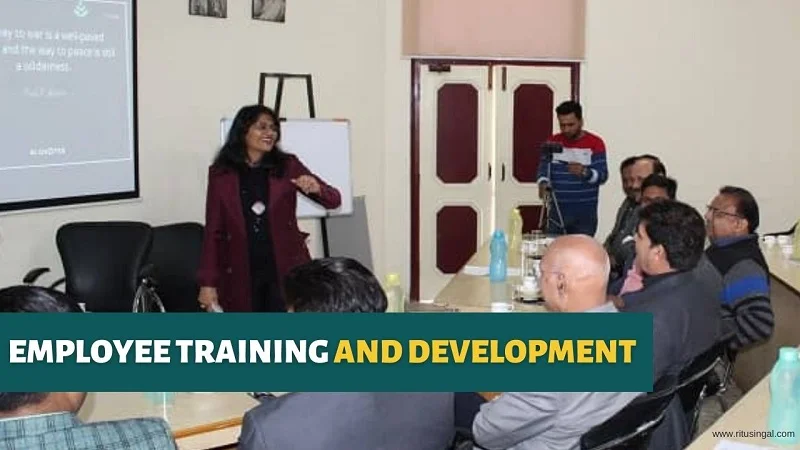
Many companies just throw their new employee into the ring; in effect, asking them to learn on their own via the trial and error method, which is unstructured, confusing, is fraught with dangers and takes much longer time. And there are others, which provide formal training, but not in the right way. Both are equally bad in terms of good business performance.
Formal, structured employee training and development related directly to the employee’s job description is, therefore, imperative to get the best out of them. The training must answer the question – how can employees best achieve the objectives attached to their positions? Besides, the training programme needs to focus on fostering accountability. Every skill so taught has to be coupled with performance accountability, which obviously requires the employer to assess each employee’s progress. In many cases, the word training never finds another mention once the initial round is over.
Another important requirement for effective training is hiring the right trainer for the task. Quite often, such training is given by the human resources people, who may know a lot about people management but have no practical exposure to the subject of such training. Having veteran people with substantial on-the-job experience is a much better idea, instead, to ensure good learning.
Employees counselling
Among employee problems, workplace stress is quite common. Lakhs of cases of workplace stress are discovered every year owing to overwork, lack of a clearly defined job role, lack of professional advancement, stagnation, bullying etc. It is high time workplace counselling services paid attention to this aspect as it severely affects employee morale and workplace productivity.
I can recall the 40-year old Gunja Billu, a police officer, who had come to me with several stress-related symptoms thanks to her job issues. Gunja Billu was facing high pressure due to the high performance demands of her job. As a result, she was having sleep problems, a declining appetite, muscular tension and frequent headaches.
She was helped to identify those thinking patterns, which were contributing to her stress e.g. developing unrealistic expectations of herself. In fact, she used to focus too much on the small mistakes committed in the course of work, while totally ignoring the praise and positive feedback she often got from her superiors. She was trained to learn meditation exercises and breathing techniques to bring down her stress levels. With counseling, she successfully adopted a more realistic approach and accepted that mistakes were inevitable while also acknowledging her good performance. Besides, she was advised to create a work-life balance with the help of regular exercise and relaxation.
Lack of employee recognition
Very few employers really grasp the importance and the high of giving a pat on the back for something good an employee has done. Being thrifty with using praise and recognition is certainly a bad management idea. Though it’s nice to get commendations and awards at the workplace, a frequent Thank You and Well Done are much bigger motivators. The employers need to understand and keep in mind the fact that recognition doesn’t always have to be financial; rather, beyond a certain point, it hardly works. In fact, what matters far more and far longer is the value placed by an employer in an employee, often shown by such tokens of appreciation like Letters of Appreciation, Employee of the Month and Star of the Year awards etc. Unlike cash, which is ultimately burnt, sooner or later, they last a lifetime and are cherished forever by the recipients.
In this context, a major cause of employee discontent in many companies is the lack of transparency and clarity in the parameters used to give such recognition. So instead of doing the good job of motivating an employee, it results in annoying many others. Therefore, the moral is clear – keep it open, clear and transparent.
Ineffective performance appraisals
In a routinely ineffective performance appraisal, the boss does all the talking despite not knowing what is being talked about. To make the performance appraisals really effective, the employer has to recognize the stakes by doing a good amount of homework. The superior should use the employee’s job description to review their job performance besides taking the employee’s personal assessment of his performance and then look for the performance gaps, if any. And as a standard accepted practice, the superior need to first focus on the employee’s strengths before going to those areas, which need some improvement on the employee’s part.
Workplace Bullying
Bullying doesn’t happen just in schools, colleges and playgrounds. And it can cause not only permanent psychological scars, but also adversely affects the worker’s job performance as it doesn’t let him put in his best in the job. Mostly, the bully here is one in a position of authority, influence or control. The object of bullying is one who is relatively powerless, who enjoys little control over their circumstances and has little access to means of redressal.
Workplace bullying can range from adopting condescending behavior and gossiping to exclusion or even violence. First, try to handle it on your own by confronting the bully calmly and confidently by telling him his comments/actions offend you and give him a chance for improvement. But be prepared for the consequences as bullying can often escalate to higher levels or higher forms once the perpetrator gets exposed.
Make your superiors aware of the good work you have been doing in your company. It can help you a lot as bullies often try to spread rumors about your not doing your job well. A fear of retaliation keeps many employees from reporting such bullying to the employer. Keeping a record of the bully’s behavior and talking to someone trusted within the company can also be helpful.
The 20-something Jangbir was being constantly bullied by a senior co-worker, making her work environment quite stifling and uncomfortable. She developed a strong feeling of anxiety before going to office and often skipped office altogether to avoid facing it. But obviously, it didn’t help her and that’s when she visited a therapist. She was brought to realize that she didn’t have to accept the office environment as an unchangeable reality and that she could take steps to feel more comfortable. She was asked to speak to her boss about why her work was suffering and was advised to meet her co-worker and her boss. Many fruitful discussions later, Jangbir began to feel more confident about dealing with her coworkers.
Being Overlooked for Promotion
Just imagine working hard for so long to get it, waiting anxiously to break the news to your spouse. But….. once again, it’s your colleague who gets a promotion. Being refused something never makes one feel good, but you should accept it gracefully instead of whining or complaining about it.
The key to avoiding such issues lies in implementing open and transparent systems in organizations. If the worker knows about the performance deliverables in advance and there are regular performance feedbacks, there would be little reasons for such grouses.
Still, if you aren’t happy with such a management decision, here is something sensible you can do: Talk to your boss about what you can do to get a promotion next time. You might learn many surprising, new things about yourself and get an idea about how your superiors look at you and their expectations of your performance. To prepare a strong case for yourself,
- Make a list of your past successes and the major projects handled successfully to let your coworkers know about your accomplishments.
- Keep learning new skills / updating job skills to stay marketable and in demand.
- Show initiative and leadership to present yourself as being concerned and keen to improve your company’s performance.
- If you think your boss has allocated much more work than you think he should, thank yours stars! He has done so as he trusts you with newer responsibilities. So try to be proactive and welcome any new responsibilities that come your way!
- Try to learn from your seniors in the company.
- Let your boss know about your hunger for advancement.
Hitting the Glass Ceiling
If you believe you have gone to the far end with the present employer, you might have touched the “glass ceiling.” Though you can see through the ceiling to the next position, you are unable to reach it. Besides working towards promotion, you may combat the glass ceiling effect by
- Proving your worth to your employer and identifying which traits and skills they look for at the time of promotion.
- Talking to your superiors about your career goals and how to achieve them.
- Fostering your relationships with your co-workers
You can future-proof yourself against all workplace eventualities by anticipating the future and minimizing the effects of shocks from future events by deploying the right strategies at the workplace.