
Are you a working parent and constantly looking out for ways to put your best in your personal and professional life? This blog is for you.
Parents have a crucial role in sculpting their child’s adult life. When it comes to growing your child well and teaching them values, parents need to understand that they are the very first teachers of their child. When both parents are working, it may have some positive and negative influences on your child. There is more than sufficient income to spend on your child but maybe you have less time to effectively connect with your kids.
Many parents visit me for parent counseling services. They say that they feel like even after trying their best to manage their house and office duties still it feels like something is pulling their attention. As a result, they are piling up stress that they do not understand how to find the way.
Managing a job and kids can be challenging. When trying to be perfect at both, life becomes hectic and stressful. Some parents feel guilty for not giving enough time to their kids because of their jobs which may make them take drastic decisions such as quitting their job and sacrificing their professional careers.
Working parents necessitates some incredible skills to ensure the perfect balance between your parental duties and work performance. Parents can establish a lifestyle that makes enough time for their family as well as their careers.
In this blog, I am going to talk about parenting, working parents, and some amazing parenting tips and techniques for working parents that will help you create a well-balanced work life and personal life.
How Working Parents Influence Their Child’s Development ?
Undeniably, a parent extremely influences his kid’s psychology. It may get complicated if both parents are employed. Parents may lack to give attention to their child, it affects the psychological and behavioral aspects of the child. Earlier, raising a child well was not difficult because of joint families as there were many caregivers to attend to the child. However, in nuclear families it’s quite difficult to manage professional and kid’s responsibilities.
Positive effects of working parents:
- High-quality lifestyle. They have enough money to spend on lifestyle, education, and extra activities.
- Life experiences: As both parents are working, they have plenty of experiences to share with their kids.
- Independence: Children become more independent at an early age as parents spend most time out of the house.
- Value of time: As parents have fewer hours to spend with kids, they realize the worth of time and always try to make the most of it.
- Respect parents: Children acquire from their surroundings. They see the way their parents are balancing home and work, it makes them develop more respect for their parents.
Negative effects of working parents:
- Emotional effects: Most working parents need to hire nannies or pick daycare facilities when they have no family support available. Any compromise with the quality of attention negatively impacts a child’s emotional health.
- Mood swings and behavioral changes: When parents are not able to spend enough time with their children and are spending more time with caregivers, they tend to be aggressive and more stubborn.
- Upset parent-child relationship: If both parents are extremely busy with their careers and spend less time with their children there is a high chance their bond with their children may suffer significantly. This gap may widen as the child grows.
Read: Your Guide to Stress-Free Parenting
Common Challenges Encountered By Most Working Parents
When my husband left the world, our business was suffering immensely so I had to take the charge. At that time, my daughters were 8 and 13 years old. I had to raise them well, along with my professional responsibilities. I genuinely worked very hard and smartly to balance both responsibilities. I focused on giving my 100% to the present moment. When I was at work, I was completely indulged in my work and when I was with my daughters, I was completely involved with them. And if I can then all parents can.
Parenting in the digital age comes with several good and bad, especially for working parents. As a life coach, many people visit me for parent-child counseling and other parenting-related issues. So I know their struggles while doing their job and keeping up with parental responsibilities.
Here are the most common struggles of working parents that you can easily relate to.
- The transition from office to home can be grueling:
Every so often, exit from the office definitely doesn’t mean the work for the day is finished. You might be doing some research, answering emails, and calls, or even having to meet a client before heading home. Many times it’s tough to turn off work even after you enter the home.
- The necessity for child care:
Sometimes your parents are not able to be with you so that they can take care of the child in your absence. In that case, it is pretty tough to maintain the balance. You may need assistance with many things in the form of a nanny, daycare, or babysitter.
- Trouble sustaining a healthy lifestyle:
Your health may suffer due to workload and performing your household duties. Because of a hectic schedule, you may be unable to get time for self-care, proper meals, exercise, etc. It may contribute to mild fatigue, lack of energy, or other serious health issues.
- Endless wrestling with guilty emotions:
You may constantly have guilty feelings while you consider choosing your career over the home. You may blame yourself for not being able to spend more time with your child.
- Constant endeavors to multitask and be perfect:
The everyday problem for working parents is a constant juggling between personal and professional life. I have seen many parents who are suffering a lot while trying to multitask to create a balance between work and kids. When you constantly strive to be perfect in both facets, it can be extremely stressful.
Parenting Tips And Techniques For Working Parents That Work Wonderfully
Now the question arises, what can you do to manage your professional and personal responsibilities excellently?
Initially, when I came into our business, I had to take care of the kids as well as work. My friends used to ask me, how do you manage your work and kids so well?
My answer was, whatever I do I give my hundred percent. I preferred quality over quantity. Our business was not doing well at that time and I had to start from the beginning so I was not able to spend more time with my daughters. However, I made sure that even if I spent less time with my kids, I made the most of it. That is how I raised them very well without any complaints. And the outcome is, today they are successful and living their best life.
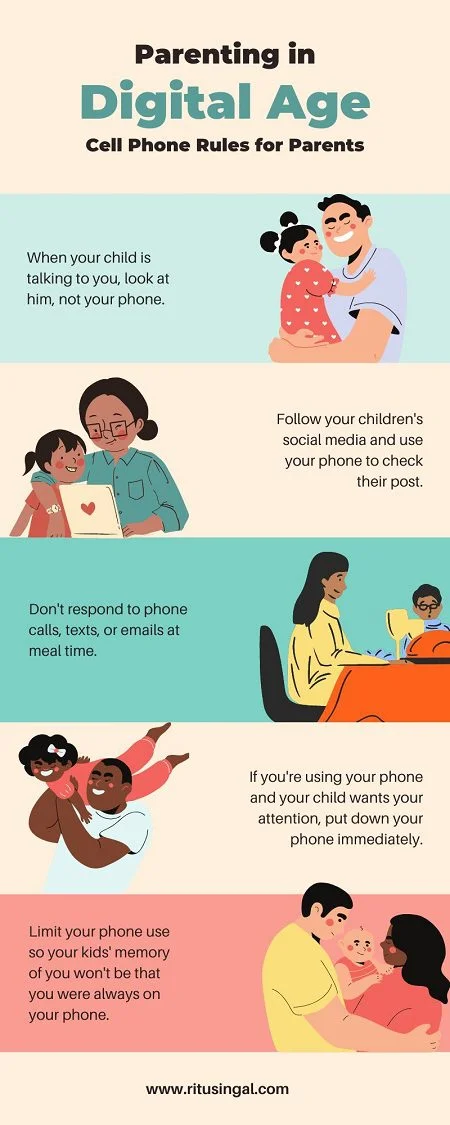
When people come to me for parent counseling services, I suggest the same to them. I help people learn from my personal life experiences. Other than that, I help them learn skills and tactics that help maintain a balance between their work life and personal life. With my years of experience, here I am suggesting such parenting techniques that can make a difference in your parenting style.
Spend quality time:
Nothing can swap the value that you fetch to your kid’s life by investing your time in them. I know, you may have a busy schedule but get some time to spend with your child and make the best of it. Ask your child about the day, interact and listen to them, play with them and make them laugh. This will help you reduce your stress levels and guilt of not being with them throughout the day.
Make your child feel that he/she is special to you and you love him. For example, make sure you do dinners together and plan some playing time or game nights on weekend nights. You can spend some time playing with your kids in the park. Plan regular vacations to spend some quality time. Be creative and deliberate about the time you spend with your kids.
No professional work and worries at home:
I know sometimes, it could be urgent but still try not to bring office work at home. Make sure you finish all your professional responsibilities before you enter your home. Bringing office work home can make you irritable and can reduce the personal time you need to spend with your child. Don’t let your work ruin your family time.
Kids can pick up your mood if you are coming home with work stress after a long day. Make sure you come home in a relaxed mood, keeping your work-related tensions at the office. Only then you can spend quality time with your child and keep up with the work-life balance.
Work smarter more than working harder:
The most significant parenting tip, focus more on working smart than working hard. This is a great way to keep the stress away.
For instance, you are working on a big project and at the same time, your child’s exams are on the way. Both are equally important. So what you can do is, chunk out your tasks into smaller ones so that you can easily work on that project as well as help your kid prepare for exams. Plan and prioritize both aspects and start accomplishing so that you can seamlessly devote the required amount of time to both.
Make the best use of your lunch breaks:
As smart parents, you can dedicate your lunch breaks to being at the top of parenting responsibilities. You can wisely utilize your lunch breaks without putting much pressure on your shoulders. For example, you can check into the school forms, go through the academic reports of your child, or run other essential errands. If possible, you can go for lunch with your child.
Parenting in the digital age can be more convenient, as you can use your lunch break to connect to your kid over a video call if they are back from school. It’s a great way to connect and express your care. Hearing the happy voices of your kids can also ease your work-related worries and light up your day.
Get help to make it easy:
Working at the office the whole day, handling kids, and maintaining household chores can drive you crazy. I am sure nobody would love accomplishing professional tasks, cleaning unwashed dishes, cooking dinner, doing the laundry, and all. It can drain you even if both partners are involved. After doing all these errands, you may not be able to spend valuable time with your child.
So, you can hire a household for household chores, so that you can concentrate better on your jobs and child. The fewer tasks you are having in your daily to-do list, the additional time you get to engage with your kids. Entering home and paying complete attention to your children rather than house errands will make you feel good.
Parents should work together:
When both parents are working they should manage their responsibilities together. And believe me, it will be much easier to balance everything. When your schedule is overly busy, ask your partner for help. Harmonizing your responsibilities in relationships will help you create a better work-life balance.
For single-working parents, it could be a little more challenging. But it’s not impossible, after my husband passed away, nothing was easy for me but I managed everything with the right approach. Parent counseling services can help you manage your parenting and professional duties beautifully. I can make you learn the most effective parenting skills that work amazingly.
Stop feeling guilty:
Many parents come to me for counseling and they share their parenting-related challenges and their experiences with me. Most parents feel guilty about choosing their career while raising their kids. Women are more prone to these feelings because they feel their kids should be their priority. Yes of course kids should be, but that doesn’t mean you should not prioritize your career.
Instead of thinking negatively, look into the brighter side and realize the benefits. It’s better to balance both aspects of life rather than blaming yourself for pursuing your career while growing your kids. Recognize that you are working for your kids, to give them a better life.
Honest conversations with your children:
I can understand how tough it is to leave your kids while leaving for work and tell them you will meet them in the evening. I had that experience initially when I shifted from being a housewife to be a working mother. However, when you honestly tell your child about your work, it can help them understand you and bring about their expectations.
For instance, you can tell them how you feel when you leave for the office, you are working to give a better living to them, why you like your job, and what you do at the office, etc. These honest talks can help you create a love-filled bond with your kid.
When I was in the harshest phase of my life, my husband attempted suicide because of some huge blunders in our business. At that time my daughters were not very mature as I told you earlier still, I never hide anything from them. I honestly told them everything about our situation at that particular time. I said we are in a tough situation but I will do my best to make everything work. I shared everything with them in a positive way without making them scared or hurt but making them understand. They managed their expectations accordingly. Even now when my daughters are well settled, I prefer making honest conversations with them.
Be a role model for your children:
While parenting in the digital age comes with many benefits, it also has some negative effects. Kids can easily lean toward what they watch on their phones, social media, etc. Things can easily impact your kids, especially if both parents are working and not checking up on these kids more frequently.
As I said earlier, children learn most from their surroundings, their parents, and their families. The way you are behaving in front of them, they will learn the same. Suppose, during disputes you are shouting or behaving aggressively in front of your child. When the same situation happens to them, they are more likely to behave aggressively too.
Practice good traits with your child such as expressing gratitude, saying thank you, offering compliments, honesty, kindness, respect, and tolerance.
Take care of yourself:
Maintaining stability between professional and personal life is not as simple as walking in the park. If you are taking good care of yourself only then you can take better care of your family.
Not eating properly, not exercising, no time for walks, not spending time with yourself, and not paying attention to your well-being, then how will you perform your parental and professional duties?
Get some time for yourself, meet friends, pamper yourself, and feel good about yourself. Taking good care of yourself rejuvenates you and recharges you to manage your duties well.
Read: Development of Self-Control in Young Children: A Life Coach’s Perspective
Do not stick to a certain parenting style:
In another blog, I talked about different parenting styles. Parents raise their kids in unique parenting styles. However, you should not stick to a definite parenting style, it may not be suitable for every situation. You should be flexible enough to adjust your parenting style depending on the circumstances. Being willing to modify your parenting style is crucial for working parents for a healthier work-life balance.
A particular parenting style works on a particular age group or situation. If your parenting style was working great when your child was 3 years old, it doesn’t mean it will remain the same when your child is 8 years old. Parent counseling services can help you understand your parenting style, which style will work best for your child, and how to modify your parenting style depending on the situation.
Concluding words
Unquestionably, being a career-oriented parent can be extremely stressful. You do not want to risk any of your professional or personal life as both are important for your being. I know it’s difficult for working parents to accomplish everything appropriately while parenting in the digital age. You also need to check your child’s screen time, other online activities, and all.
Stop being guilt-ridden and make yourself realize that you are establishing a great example for your children by being loving and hardworking parents. Try the above-enlisted parenting techniques to make your efforts more successful. Find out the non-essential things you can cut out from your to-do list and spend the best time with your kids.
The advancement of human rights for women has been a major focus in the 21st century, with governments and non-governmental organizations all striving to achieve gender equality.
Throughout the world, women have been denied access to basic rights such as education and equal pay, with many governments failing to recognize the importance of women’s rights.
In the face of these challenges, governments, non-governmental organizations, and women’s rights activists have made great strides toward achieving gender equality in recent years. A phrase that has become popular amongst women’s rights activists is “Women’s Rights are Human Rights.”
This phrase expresses the importance of recognizing and protecting the human rights of all women, regardless of their race, class, religion, or any other distinguishing factors.
A Long War: Human Rights for Women
What do we mean when we talk about women’s rights being human rights? We are referring to a long history of gender-based discrimination and violence against women that has denied them access to the same rights and privileges as men for centuries.
In the 19th century, women were largely excluded from the workplace, denied access to education, and restricted in their ability to travel and take part in public life. Even after suffrage, women continued to experience gender-based discrimination in the workplace, unequal pay for equal work, and even sexual harassment and assault in some workplaces.
This discrimination persisted well into the 20th century, and even today, women are often denied the same rights as men and continue to face numerous challenges and obstacles that prevent them from reaching their full potential.
In many parts of the world, women continue to suffer from gender-based discrimination and violence, which is a sad legacy of centuries of systemic oppression and inequality.
In the 19th and 20th centuries, women had to fight tirelessly against a deeply ingrained patriarchal system, and although much progress has been made, there is still much more that needs to be done.
In many parts of the world, women have traditionally been considered second-class citizens, with limited access to education, jobs, and other opportunities compared to their male counterparts. This is a clear reminder of the need for sustained efforts to break down gender barriers and promote gender equality.
But why is this comparison necessary? There is no need to compare men and women in terms of rights, opportunities, and capabilities; both genders are equally capable of achieving the same goals and have an equal right to pursue their dreams and ambitions.
While there is a history of gender inequality, it should not be the norm. Going forward, we must work towards creating a society where both genders are treated equally, given the same opportunities, and provided with equal access to resources so that each individual can reach their fullest potential and both genders can share equally in the success of our society.
This requires a shift in societal attitudes, which must begin with education and the recognition that gender does not determine the abilities and talents of individuals.
Electrifying our society with greater awareness of gender inequality and empowering individuals to recognize their worth and potential, regardless of gender, can help create a more just and equitable society in which the value of both genders is respected and upheld.
This process of attitudinal change, along with the implementation of policies that ensure equal access to resources and opportunities, can help us move towards a society in which gender inequality is no longer tolerated.
Women’s Struggle
The struggle for gender equality has been a long and arduous journey, beginning in the early 19th century when actresses began to make their mark on the profession and continuing until today when activists continue to fight for legal and social recognition of the inherent value of all genders.
The progress made in recent decades has been significant; however, it is still not enough to ensure that all genders have equal access to the same opportunities and resources available to those who have traditionally been privileged.
Read: 4 Success Stories Of Problems Facing Women Entrepreneurs
Reproductive/ Sexual Rights
In particular, reproductive and sexual rights remain key areas in which improvement is needed. Women around the world are still fighting to gain control over their bodies and access to basic healthcare, as well as to have their voices heard in the decision-making processes of those that affect their lives.
These issues are even more pronounced in low- and middle-income countries, where women face a great deal of discrimination when it comes to healthcare access and decision-making power. Many countries, however, are beginning to recognize the importance of women’s rights and take steps toward achieving them.
On an international scale, organizations such as the United Nations and the World Health Organization have been advocating for women’s rights in areas such as reproductive and sexual health for decades.
Freedom of movement

The right to move freely is a critical component of women’s rights and has been a cornerstone of the struggle for gender equality. In the past and even in this modern era, women are not allowed to walk or move freely without facing discrimination or harassment.
But why? The question remains: why, in a world where gender equality is seen as a core value, do women still face such restrictions on their freedom of movement? This lack of access to basic freedoms can have dire consequences for the health, safety, and well-being of women, both on a physical and psychological level.
Women’s rights campaigners have fought to reduce this type of discrimination and ensure women can travel freely, whether it be for work, leisure, or any other purpose.
Right to live with dignity and decency
However, despite the progress made in recent decades, the fight is not over, and many women still lack access to basic freedoms. Living with dignity and decency is still a challenge for many women, whether it be in terms of access to quality healthcare, education, or other resources that can help them lead dignified and fulfilling lives.
Women’s rights campaigners continue to advocate for the right of women to live in dignity and decency, and they are pushing for increased access to resources such as healthcare, education, and other opportunities that allow them to enjoy a safe and fulfilling life.
Right against workplace harassment
Women also have the right to be free from workplace harassment and discrimination, which can severely limit their economic opportunities and make it difficult for them to access decent jobs that pay a living wage.
Governments and businesses must take action to ensure that all women have access to decent working conditions, a fair wage, and safe and supportive environments in which they can live with dignity.
How did protecting women’s rights become important?
Protecting women’s rights is essential for the protection of their human rights, the advancement of gender equality, and the realization of an equitable and just society. Women’s rights are a matter of human rights and must be respected, protected, and fulfilled by all states as a core part of their obligations under international human rights law.
Without action, millions of women around the world are denied access to these basic rights, and their right to be free from discrimination and violence is often violated. Women’s rights violations also have a profound effect on society, preventing women and girls from achieving their full potential as well as hindering economic and social progress worldwide.
Women are not merely passive victims of violence and discrimination but also active agents of social change, fighting for the recognition and respect of their human rights and striving to create a world in which all women and girls can live with dignity.
This is why it is so important that governments commit to the protection and promotion of women’s rights and fulfill their obligations under international human rights law.
Worldwide initiatives for women’s rights
Programs for women’s rights around the world have made great strides in increasing women’s economic opportunities and access to education, improving access to health care, and combating discrimination in all its forms, including gender-based violence and trafficking.
Few initiatives are as ambitious as the Global Goals for Sustainable Development, which seek to ensure that women have access to basic human rights and economic opportunities by 2030.
These global initiatives have given hope to women in some of the most vulnerable and marginalized societies, providing them with a much-needed platform from which to fight for their rights and be heard.
The Vienna Declaration
The Vienna Declaration and Programme of Action, which was adopted in 1993 and serves as a framework for the advancement of women’s rights, highlights the importance of having an inclusive agenda that takes into account women’s unique needs and perspectives when developing policies that seek to protect their rights and empower them.
International Population and Development Conference
The International Population and Development Conference of 1994 was a key moment in the history of women’s rights. The International Population and Development Conference of 1994 was a milestone in women’s rights, as it marked the first time that women’s reproductive health and rights were addressed at an international level and was a clear indication of the commitment of global stakeholders to the advancement of women’s rights.
The Beijing Declaration
The Beijing Declaration and Platform for Action, which were adopted at the Fourth World Conference on Women in 1995, further reinforced this commitment to advancing women’s rights by recognizing that gender equality and the empowerment of women is essential to achieving sustainable development.
The Conference and the Declaration acknowledged that sustainable development cannot be achieved without the full and equal participation of women in economic, social, cultural, and political decision-making processes and reaffirmed the importance of strengthening national capacity and international cooperation in the areas of population and development.
What does the foreseeable future of women’s rights entail?
Looking to the future, it is clear that women’s rights must remain a priority for global stakeholders. Governments, international organizations, civil society organizations, and individuals must work together to ensure that the principles and commitments established by the Conference and Declaration are implemented through public policies, regulations, and legal frameworks that guarantee women’s full and equal participation in all spheres of society.
Additionally, efforts must be made to ensure that women’s voices are heard at decision-making tables and that appropriate funding and resources are allocated to advancing gender equality and women’s rights both locally and globally.
Women’s rights and the Development Goals
Women’s rights are inextricably linked to the United Nations 2030 Agenda for Sustainable Development, which seeks to achieve gender equality and empower all women and girls by 2030. To achieve this goal, concerted efforts must be made to ensure that all stakeholders take responsibility for advancing women’s rights and gender equality.

Sowing the seeds of progress and justice starts at the grassroots level and requires proactive measures, such as capacity building, increased access to education and healthcare, reducing gender-based violence, promoting economic opportunities for women, and advocating for better laws and policies that promote gender equality.
Visually, representing gender equality through campaigns and art is also an effective means of engaging wider audiences and driving meaningful change. Some stereotypes persist, making it difficult to establish a level playing field for women and girls in various sectors.
Therefore, it is important to ensure that diverse voices are heard and included in decision-making, particularly when it comes to policy and program development.
Conclusion
Human rights for women should be a priority for everyone, as they are essential to creating an equal and equitable society. This can only be achieved by actively working to create a culture of respect and inclusion for women and girls, as well as by encouraging diverse voices in all decision-making processes so that everyone can benefit from their unique perspectives and experiences.
Growing recognition of the value and potential of women, combined with proper protection of their rights and resources, will create a more balanced society that will benefit everyone in the long run.
Surprisingly, some people still do not understand why human rights for women are important, but the evidence is clear that without these rights, gender equality cannot be achieved and society will continue to suffer from the lack of female representation and leadership.
Finally, promoting greater education and access to employment opportunities for women can lead to increased financial security and autonomy, allowing them to reach their full potential as members of the global community. So, we must continue to push for gender equality to create a more equitable world for everyone.
Modern civilization is primarily driven by knowledge, which also provides authority and competitive benefits in both the workplace and daily life. To acquire knowledge, one must develop their learning capabilities.
The conventional educational structure, with its colleges and schools, can, however, only partially meet the expanding demand for current capabilities and knowledge.
Even the top colleges in the world are unable to provide their students with an entire life’s worth of information. While in college, you will pick up the fundamental knowledge you need, but things change so fast that the knowledge you acquire soon becomes obsolete.
What exactly are learning skills?
Generally, “learning skills” refer to aptitudes that facilitate acquiring new knowledge. In a formal sense, these tools enable us to learn so much in less time with superior outcomes. Learning skills are highly valuable for a college student because they provide the ability to adapt quickly and stay up to date with the ever-changing nature of knowledge.
Examples of learning skills
Multitasking, attentive reading, looking out for pertinent information, problem-solving, taking decisions, analytical abilities, paying close attention to details, and asking the appropriate questions are a few examples of learning skills. Such learning skills enable a student to stay organized, become independent learners, and take advantage of their resources.
Learning new skills will benefit you in both your personal and professional life by expanding your capabilities, sharpening your mind, improving your communication skills, and making you a more effective and engaging person in general.
Moreover, learning skills can help you become more self-aware and better understand yourself, your environment, and how they interact so that you can make informed decisions and manage challenges more effectively.
1. Think in the right way
Mental ability is the most significant factor in learning. Having the right mindset is essential for staying motivated and completing tasks on time. If you do not embrace the idea of ongoing learning for yourself, you will not succeed. An eagerness to learn something new and a positive attitude are essential.
2. Time management is essential
Setting aside dedicated time to learn, practice, and develop new skills is the first step to acquiring them. Don’t put off learning. In addition to many other things, if you don’t do this now, you still have to do it afterward. Everything should be completed on schedule and with planning.
3. Self-motivation
Self-motivation is the key to success when it comes to learning. Even if you receive support and encouragement, you are still responsible for your training. The only person who has the power to regulate themselves is themselves.
4. Work ethic
Work ethic is also an influential factor in learning. To learn new things, you need to focus on your activity. Anything can divert your attention, so practice focusing on your work!
5. Organized
A chaotic environment will keep you from learning. Make an effort to create an area for silent learning where there are no distractions. Having an organized environment for learning is helpful.
How is acquiring skills beneficial?
The capacity to learn and grow enables you to use an organized method to tackle any problems throughout your life, in general:
– Create habits and lead a positive lifestyle– By learning and growing, you gain the ability to form better habits and create a more meaningful life.

You can develop healthy routines and lead a healthy lifestyle with the support of self-motivation, dedication, and management, all essential elements of the learning process. In addition to being disease-free, being in good health also means having a fantastic look and lots of energy.
– Management of time– You might apply your capacity for time management in other spheres of your life. In any event, having good time management abilities can enable you to plan your daily tasks and accomplish more in a single day.
– Make objectives– Self-study and daily living both require you to accurately identify your own goals, assess your current situation, and pinpoint significant areas.
– Finding and sorting data- Searching for relevant information and sorting it in a meaningful way is an essential part of the learning process. There is too much information for a young person to process.
There is information all around us, and it can be annoying. To sift through this information and find what is relevant to one’s interests, it is imperative to be able to think critically and analyze the data.
In the corporate world, everything is pretty straightforward. Occupational changes and growth potential will be determined by one’s capacity to successfully acquire additional knowledge, capabilities, innovations, methodologies, and procedures. One must be responsible for their career development once they have graduated from college.
To this end, one must commit to taking the initiative in setting objectives and continuously striving for self-improvement. Growing up makes it much more challenging to plan regular self-education due to a lack of time and more responsibility, in addition to other temptations and social aspects. Mindfulness, dedication, self-motivation, decision-making and planning skills are needed for self-study organization.
Modes of concentration and diffusion
Specific traits define the way the human brain works. Therefore, the brain has two modes of operation: concentrated and diffused.
Concentrated mode – In this mode, the brain employs recognizable and intelligible algorithms. Find a building on a map, figure out your grocery store discount, or just add two numbers together. Even when faced with a challenging task, the brain remains alert and searches for known solutions.
Diffuse mode – On the other hand, the diffuse mode is perfect for generating fresh ideas and solutions. Have you ever seen how many helpful ideas cross your mind while you’re in the bathroom or working out? Since there are no pre-made patterns that can be used in this mode.
Conventional approaches only serve to impede solving a complex challenge. It is true that in the dispersed mode, the solution cannot be found in the conventional sense. You can only come up with a novel idea, which must then be developed in a concentrated manner.
It’s crucial to keep in mind that a person can only think in one mode at a given moment. Therefore, you must use both concentrated and diffuse modes throughout training to be productive.
Proven Techniques to Boost Learning Capabilities
Here are a few useful pointers for mastering effective learning. Any best life coach in India or abroad would recommend and follow these tips.
Write down your observations- Self-organization involves this. List all of your responsibilities for every day of your life. Keeping a record where you write your successes, setbacks, and just intriguing thoughts is also highly helpful because it allows you to assess your outcomes, make corrections, and create forecasts.
Interactions- Although self-learning is an essential component of learning, it is preferable to engage with others to increase the effectiveness of knowledge acquisition. You can learn knowledge and skills much more quickly by participating in discussions, workshops, seminars, and other forms of group learning. This will improve learning skills.
Learn to remember things- You’ll acquire new things more rapidly if you have an excellent memory. There are various methods you can take to sharpen your memory.
Make pictures of yourself- Try to conjure up an image in your memory that is connected to the key information you need to remember if you have to recall it. Your brain will find it simpler to accomplish this. Additionally, practice visualization techniques by creating mental images of the facts that you need to remember.
Repeat again– Memorization will be more effective if learning is combined with activities and connections. For example, practice memorizing techniques such as repeating facts aloud, writing them down, and visualizing them.
Discuss the information that you have learned- Try telling the story again or explaining it to someone else to help you retain essential details. When you enunciate the information you hear, the memorizing process improves. By speaking about the information that you have learned, your brain will form connections between your memories and the information presented and make it easier for you to recall.
Healthy lifestyle- Take proper care of your body and mind by getting enough sleep, exercising, eating well, and leading a healthy lifestyle. Many people undervalue the influence that our physical health has on our cognitive ability. Avoid making this error. If you take care of your body, your brain will reward you with improved learning abilities.
Eliminate barriers – Take steps to remove barriers that can make it difficult to remember new information. You should be careful to choose an environment where you will not be distracted from the learning process.
Learn by experiencing; put all of these strategies into practice

Here are some additional suggestions for enhancing your learning capabilities
– When we think about something innovative, new cells are formed in the brain. This allows us to create new connections and make more effective use of our memory by linking new information to existing knowledge. And when we apply these beliefs more frequently, we think about them more frequently, and the links between them get stronger.
– It’s crucial to practice while you’re being trained. Practicing the new knowledge we acquire is key to cementing the pathways that are formed in our brains when we learn something new. Perfecting a skill requires practice.
– Additionally, practicing also helps us develop our problem-solving skills and analytical skills. We develop more durable neural connections in our brains through practice. Your train of thought travels quickly and readily along an established path. This is why when you repeatedly do something, you become better at it.
– The easiest method to remember anything is to repeat it often. Learners need repetition to improve learning skills; the more you practice something, the simpler it becomes to remember and the more likely it is to stick in your memory. The cells in the brain need to connect during a pause.
Therefore, when you repeat something regularly, it becomes easier for your brain to access information quickly. A stanza should be recalled 10 times a day, and the same process should be repeated the next day. As repetition continues, more pathways in your brain will be created, forming stronger connections and increasing your ability to memorize the stanza.
– With this process, the neurons in your brain will fire simultaneously, increasing their ability to interact with each other and forming a memory that is more easily retrievable. This repetition helps to ensure that the stanza is permanently imprinted into your long-term memory and can easily be recalled in the future.
– It takes the brain some time to fully integrate a new theory or practice since the essential neural connections have not yet been made. Find real-world examples; they help you think in a certain way. By providing real-world examples to illustrate the concepts, you are allowing your brain to form associations between a theory or practice and its practical application.
– After a few examples, it is already simpler to put theory into practice because the mental blueprint for this activity is already present. With each example, your understanding of the theory deepens, making it easier to apply it the next time.
In any event, the most crucial thing to keep in mind is that effective learning requires a desire for success. You can overcome any challenges on your path if you have a burning passion and the determination to pursue them. Practicing what you have learned is essential for the proper implementation of the theory.
I wish this blog gave you the notion to effectively improve learning skills. The fundamental tenet was to start strong. Obstacles will appear, and some individuals may even make fun of your efforts. But you are unable to quit due to your strong inner drive. You must draw upon this inner drive to stay resilient and keep pushing through all of the obstacles that come your way.
Our top pick is Mrs. Ritu Singal, who is the best life coach in India. Mrs. Singal has a unique ability to recognize the strengths and weaknesses of her clients and help them develop an inner drive for success. With Mrs. Singal’s guidance, one can draw upon inner strength and resilience to push through the most difficult obstacles in life.
Due to its commonplace nature, stress is quite a buzzword today, more so in the post-COVID scenario. With the pandemic playing ups and downs with life in all ways, the level of stress experienced by most of us has risen. Therefore, it’s not astonishing at all that everyone talks of reducing stress to achieve a more peaceful life.
Before we chalk out ways to combat it, let’s understand what it’s all about. In easy terms, stress is a normal (and healthy (hold on!), to an extent) psychological and physical reaction to the demands of living. A light amount of stress is positive as it guides one towards better performance e.g. before a stage show, a small amount of stress felt by a performer actually helps them rehearse harder and do better. So far, so good. But coping with daily life challenges like long commutes, traffic jams, targets, deadlines, social events and managing a family can often test the limits of our coping abilities.
From a biological angle, our brains are wired to prevent us by setting off an alarm in a threatening situation. During a threat, our body gets a brain signal to secrete hormones, which increase the heart rate and blood pressure – the usual “fight-or-flight” response. It fuels us to deal with the threat using more oxygen, energy and the consequent physical and mental rush. Once the threat has vanished, our body should return to its normal, relaxed self but sadly, it isn’t so in many cases as the rushed scenario of modern life never lets some people’s alarm systems shut off. This unhealthy state greatly affects our mind and body over the longer term.
Signs of excessive Stress
Some common symptoms of stress are
- Non-stop worrying
- Chest pain, rapid, irregular heartbeat
- Nausea/dizziness
- Chronic diarrhea/constipation
- Procrastination /shirking responsibilities
- Taking lots of alcohol/drugs
- under– eating /over – eating
- Too much excitement
- Inability to focus
- Anxiety
- Agitation, inability to relax
- Irritability, moody behaviour
Stress management training
Stress management training can help us re-set the alarm system to help us adapt and be flexible. Without this flexibility, we may be on a high alert always and with time, this chronic stress can lead to health problems. Therefore, waiting until stress actually harms health, relationships and the quality of life isn’t sensible. You can do a lot of things to drive out these pressures and have a peaceful and tension-free life by following stress management techniques.
Job-related pressures, relationship issues or financial troubles are relatively easy to identify as being common stressors. But the seemingly little things like waiting in a queue or dashing for a meeting can also increase the stress. To boost, even apparently positive events like tying the nuptial knot or shifting to a new house can cause of stress. In fact, any change – be it positive or negative- can be a source of stress.
Remember that stress is never going disappear from our life. Thus, stress management needs to become a part of our daily living. By recognizing the stressors and practicing relaxation, we can hope to counter its ill-effects and improve our coping. Of course, you don’t have to deal with all alone as you can find help from family and friends.
Importance of stress management training
High stress levels can endanger our physical and mental well-being. Excessive stress upsets our emotional balance and physical health, interferes with thinking and functioning and deprives us of our ability to enjoy life. Apparently, it appears as if there’s nothing you can do to counter it. Hold on! You can exercise a lot more control than you think.
Stress management training can help you become stress-free and happier, healthier, and more productive. The main goal behind this is achieving a life of balance in which you have enough time for work, relationships and fun and you can build the flexibility you need to meet challenges. But there is no universal solution and you’ll have to experiment to find out what works best for you.
Stress Management Techniques

Identifying stressors
Training your mind is a vital part of stress management, which begins with identifying the stressors. Though identifying major stressors e.g. job change, job loss, shifting and divorce may be easy to spot, chalking out the reasons behind chronic stress can be more difficult as our own thoughts, feelings and behaviors also are the main factors in the stress we feel.
As an example, you may be worried over deadlines, but the stress may be due to procrastination, rather than the demands of your job. To find out the real stressors, you need to examine your habits, attitude, and excuses and ask yourself:
Do you believe stress is temporary though it has always been present?
(“My plate is full to the brim right now”)
Do you think stress is an essential part of your being?
(“My life is crazy always, “I am always very nervous)?
Do you apportion the blame for your stress to others or some external events?
Until you accept the responsibility for your own role in creating / maintaining stress, it will remain outside your control.
Stress journal
Have a stress journal to record major, regular stressors and how you handle them. Whenever you feel stressed, note in your journal to find patterns and common topics like:
Who/ What created it?
How did it feel – physically and emotionally?
How did you respond?
What did you do to come out of it?
Being Creative
Looking back, I recall how I could maintain our workforce morale in the first lockdown after COVID. The first lockdown was strict and frustrating, especially for our plant workers, many of them having been stranded away from homes. We had arranged lodging and boarding for many of them, whose families stayed far away and who were suddenly stuck here. Since no physical movement was possible, we thought of an innovative solution and kept them involved through Zoom meetings frequently. We would talk about innovations and our collective energies helped us make a biodegradable product. Not only did they get something meaningful to keep busy, but it also brought about a technology breakthrough, besides reducing their stress.
Personally, my almost-doctor daughter, too, was stranded at home, and felt bored and stressed. There were no classes then and the only thing there was the fear of another lockdown. Slowly, I gently shifted her thoughts towards writing her ideas, which had been brewing in her mind for a long time. Not only did she get an innovative outlet, but she also kept herself engaged and brought out her first-ever A Million Dreams.
So, try to be imaginative and creative to de-stress yourself!
The 4 A’s
Stress is an automatic response of our nervous system but some stressors are predictable e.g. a commute to work, meeting your boss or social events. For such predictable stressors, you can change the situation or the way we react using mind power training. Follow the four A’s: avoid, alter, adapt, or accept to reduce stress.
Avoid
To avoid a stressor isn’t healthy, but you can eliminate many stressors.
Accept your limits and say a clear “no” to taking more than you can manage. Distinguish “shoulds” from “musts” and say a “no” to taking on too much.
Monitor your environment. If news makes you stressed, stay away and if the traffic sounds tense you, take an alternative route. If a market visit is unpleasant to you, shop online.
Check to-do list. Make a list of your schedule, responsibilities, and daily tasks. If you have too much work, shift the tasks that are relatively unimportant to the bottom.
Alter
If avoiding isn’t possible, change how you communicate and work. Express your feelings. Should something bother you, express your concerns assertively, openly and cordially. If you’ve an upcoming exam and your friend just drops in, tell them you only have five minutes to talk. If you don’t, resentment builds, which increases your stress.
If you would like someone to change their behavior, be ready to reciprocate it.
Keep a balance between work and family life, social activities and solo things.
Adapt
If you can’t change a stressor itself, change yourself. Adjust to a stressful situation to get control by changing your expectations.
Look at a stressor from a positive frame of reference. Rather than being frustrated over ending traffic jam, pause, listen to a song, read or enjoy some “me” time.
Look at the bigger thing: How vital will it be in the long run? It is worth being upset about? NO, then focus your energy elsewhere.
Do not chase perfection as it will create avoidable stress. If you look for perfection in everything, you may be planning to fail. Try to set reasonable standards and be alright with “good enough.”
Accept
Some stressors are unavoidable e.g. we can’t prevent a loved one’s death, a serious illness or recession. So, we need to accept them as they are. Accepting it may be hard, but it’s easier than fighting something we can’t change.
Many things are out of control, especially others’ behaviour. So rather than getting stressed out over them, we need to focus on things in our control i.e. how we react. See major challenges as opportunities for more growth. If you were accountable for a stressful situation, try to learn from your mistakes.
We live in a world with imperfect people, who constantly make mistakes. Thus, it’s better to let go of anger and resentment as forgiving and forgetting is a sensible idea.
Vent out your feelings to find catharsis by talking to friends / family member.
Get going
Indulging in physical activity is a huge stress reliever as it releases the feel-good endorphins and may be a valuable distraction from daily worries. Regular exercise for 30 minutes gives you the most advantage but build up your fitness level with time. Even small activities can add up to much in the course of a day.
Dance to a song.
Walk your dog.
Walk or cycle to a store for vegetables/ groceries.
Avoid using the elevator. Take the stairs.
Park your car at a far off location and walk the rest.
Pair with an exercise buddy to motivate each other.
While any physical activity would burn away stress, walking, running, swimming, dancing, cycling, and aerobics are more effective. Choose something enjoyable so that you stick to it.
During exercise, pay conscious attention to bodily and emotional sensations and focus on coordinating breathing with bodily movements. The mindfulness element helps you break the negative cycle that accompanies excessive stress.
Reaching out
Spending face-to-face time with others who makes you feel safe and understood is calming. Face-to-face interaction triggers hormones to counter the “fight-or-flight” response, which is a natural stress reliever (and staves off depression). So talk regularly face to face with family and friends.
Others may not “fix” your problem but they can be good listeners. Do not think of yourself as being weak or a burden as your loved ones feel flattered by the trust you show. Having a close friend network enhances your resilience to stressors.
- Reach out to colleagues. B. Help others.
- Share a lunch/ tea with a friend
- Request a loved one to check in on you frequently.
- Accompany someone to an event/ theatre /exhibition/concert.
- Call or email a long-forgotten friend.
- Walk with a workout buddy.
- Have a weekly dinner date.
- Talk to new people. Attend a class or join a club.
- Confide in a teacher/mentor/ guide
Fun
Have some “me” time to minimize stress. Do not be caught up in the rush of life so much that you forget own needs. Improving yourself is a necessity, not a luxury and you deserve it! With regular fun time, you can handle the stressors better.
Watch the stars, play the piano or go out biking. Keep your sense of humour alive, including laughing at yourself. Laughing at oneself is a mark of emotional maturity. Even otherwise, laughter therapy helps you reduce stress levels.
Try yoga, meditation, and deep breathing to trigger the relaxation response. Your stress level will decline as a result, making you calm and focused.
Time management
Make only those commitments which you can fulfill and avoid packing too much into a day. Often, we underestimate how long things take and then it leads to a problem.
Make a list of tasks and complete them in the order of importance. Tackle high-priority items first and so on. For something particularly stressful, complete it early so that the rest of the day feels more pleasant.
Break a project into small, manageable steps and focus on a step at a time, rather than taking everything in one go.
If others can take care of a task, why not let them do so? Avoid managing every step, thereby letting go of the unnecessary stress.
Read: Time management strategies for a balanced life at workplace
Balanced, healthy lifestyles
Other lifestyle choices are an important part of stress management that can improve the resistance to stress.
Eat a healthy, balanced diet as a well-fed body is better prepared to fight stress. Be mindful of your eating and begin your day right with a healthy breakfast, to be followed by balanced, nutritious meals to keep you active and your mind clear.

Try to reduce caffeine and sugar as the temporary “highs” they bring often end in a mood crash. By minimizing coffee, soft drinks, chocolate, and sugar snacks, you’ll feel relaxed and will have better sleep.
Quality sleep rests your mind and body. Feeling tired worsens your stress as it makes you think irrationally.
Quick relief
If you’re worried over your morning commute, are stuck in stressful meetings or are hassled over an argument, a quick stress management technique is in order.
The quickest route is deep breathing. View a favorite photo, smell a scent, listen to a favorite song, play with a pet for quick relaxation and focus. There isn’t a single thing that always works, of course. You need to experiment to find the unique experiences that work best for you.

You perhaps already have a good idea, but let’s start from the beginning: what is self-esteem? Self-esteem refers to a person’s overall sense of value or worth. It can be considered a sort of quantity of how much an individual buys, accepts, appreciates, prizes, or likes him or herself.
It’s easy to discount the status of having high self-esteem. However, having a positive personal reputation can be the difference between feeling respectable about and taking care of yourself and not.
We’ve likely all heard the instruction to trust yourself, value yourself, be your cheerleader, and that you can’t love others until you love yourself—and all of that is true. But what exactly does that actually mean in real life?
Some people have low self esteem that can keep people back in their life, so having high self-esteem is vital to a successful, happy life.
Why is self-esteem important?
When you are worth and love yourself, you can unquestionably have at least one good colleague by your side over thick and thin—yourself!
Keeping yourself from being alone is not too hard when you’re your comrade. You know you don’t need anyone else in your life to make you feel loved, so being on your own isn’t that big of an issue.
On the other hand, if you hate who you are, it doesn’t matter if you’re “living the best life” surrounded by many individuals who upkeep for you.
Decision-making will become easy
Having a good self-image and loving yourself makes it easier to accept that you justify being happy. So when someone bargains with you for something that you know is less than what you deserve, you know that you deserve better and have no issues rotating it down.
The same could not be said if you have low self esteem, because then you would take it thinking that you’re not going to get everything better.
More than that, when there’s an opportunity for you to reach your dreams, you run in the direction of it even if you know you could fail. And that’s because you love manually so much that letdown won’t bother you.
It makes you love better
You will be incredibly unconfident, oversensitive, and jealous if you have a terrible view of yourself. It might feel alluring to connect with someone because they make you feel loved, and many people think that’s what love is all about.
But this is just one of many misunderstandings we have about love that, simply put, demeans and sabotages the relationships we get into.
In his mind-blowing video, the well-known shaman Rudá Iandê talks about this and other misconceptions about love and intimacy.
Looking for love when you have self-esteem issues is like gorging on candies in hopes of getting by on a bare stomach—you’ll not only end up not loving the sweets, you’ll give yourself diabetes, too.
You are easier on others
You might be amazed to know that the people who are particularly cruel towards others or like tearing them down are people with severe self-esteem problems. They have problems with their self-image, so they try to verify their self-value by dropping others below them.
Self-assured individuals, on the other hand, have no such difficulties. They would rejoice in it when they watch other individuals become healthier than them.
They would also inspire individuals to follow their desires even if they appear impossible. That is why containing better self-esteem will support not only you but also the individuals in your surroundings.
Read: Self-confidence and Teenagers: An Intricate Web
People can be honest with you
Individuals with low self esteem are protective. They consider everything an attack as if everybody who does not give their consent to them is in contradiction of them.
If you have better self-esteem, you can be able to see others’ views and guidance as nothing more than somebody’s viewpoint or guidance. You can separate yourself from your ego to become more friendly with your surrounding people.
You do not have a guise for methods to verify them incorrectly because you are already aware that they could be incorrect and that you are not faultless because there is nothing perfect.
You have an idea that there is always an apartment for development, and you can likely get direction from truthful and believable individuals.
You will live a fearless life
The best thing about loving yourself is that you feel that you are a much more courageous person. When you admit you are defective and consider it perfectly okay to be faulty, it is informal not to take defeat personally.
Unlike spectres waiting to pull your confidence through the gutter, failures become chances to improve and learn more things. It means you will face less trouble when trying out novel things.
It will outcome in you gathering new knowledge in every part of your life, from your associations and habits to your occupation and career life.
Certainly, it cannot be easy to bring a change in your thought outlines and attitude instant, but with a lot of effort, you will finally access there and think about yourself as worthy of better matters.
What are the signs of low self-esteem?
Self-esteem is an individual’s general logic of self-value. It is your viewpoint about yourself. Your self-esteem can encompass a range of factors, such as your sense of identity, self-confidence, the spirit of capability, and emotional state of belonging.
Self-esteem is over just loving yourself, which means trusting that you deserve love and esteeming your opinions, feelings, sentiments, welfare, and goalmouths.

Self-esteem influences how you think about yourself and treat yourself. It can even impact your inspiration to try for the gear you wish in life and your capability to grow strong, helpful relations.
It plays a significant part in various life zones, which is why containing little self-esteem can be such a grave issue.
Signs of low self-esteem
While not a cerebral disease, low self esteem can impact an individual’s opinions, feelings, and behaviour designs. Sometimes its symbols can be honestly apparent, and other times, bad self-esteem symptoms are far more delicate.
For instance, some individuals with bad self-esteem discuss themselves negatively, whereas others talk positively and make certain others are satisfied with them. In either case, a deficiency of personal value can harm the life and health of a person.
Here are given some signs of low self-esteem in the following section:
Poor confidence
Bad self-esteem can cause a deficiency of confidence, but bad morale can also donate to or degrade bad self-esteem. Being self-assured in yourself and your capabilities allows you to depend on yourself to achieve different circumstances.
This self-faith means you sense relaxed and self-assured, directing many other things you can meet in life that are important to your general well-being.
Lack of control
Individuals with bad self-esteem frequently feel they lack control over their life situation or what occurs to them. It can be because of the feeling that they cannot make differences and changes in the world or even themselves.
Tension and self-doubt
Even after finalising a decision, individuals with bad self-worth are frequently concerned about creating an incorrect choice. They hesitate about their feelings and can adjourn to what others believe in its place of sticking to their preferences. It can cause a great contract of another-guessing and self-distrust. It makes it tougher for individuals with bad self-esteem to make decisions about life things.
Negative self-talk
Poor self-esteem causes individuals to concentrate on their faults rather than their powers. Rather than make themselves confident self-talk, they constantly appear to have somewhat negative to tell about themselves, appealing to negative self-talk in its place.
When things become incorrect, individuals with bad self-esteem frequently consider themselves responsible. They find a mistake in their aspects, whether their look, capabilities, or personality.
Fear of failure
People with low self-esteem always fear failure, which brings them back into their life instead of being successful. When people are always scared about being failed in their life job, they cannot succeed because fear of failure always remains in their minds. This fear stops people from thinking positively about their life goals, which can ruin a person’s life.
Poor outlook
Low self-value can cause individuals to think there is a tiny chance that the upcoming will be healthier than the current. These emotional states of impossibility can make it tough for individuals with bad self-esteem to be involved in manners that will completely change their lives.
Self-disruption is a joint method of managing such an emotional state. Individuals with bad self-esteem can discover something else to blame for not achieving their goals or finding greater happiness by finding problems to stop success.
What are the tips to improve low self-esteem?
Bad self-esteem is, regrettably, a self-fulling prediction. When you think about yourself, you will fail to achieve your goals because you become less confident and cannot focus on your motives without self-confidence. It is easy to twist into a series of circular and negative thinking, keeping you delayed in harmful-and incorrect-views.
Stop thinking about what others think
When you think about what other people will think about your life, style, work and other things, you never become free to be yourself. Make a stable choice to stop concerning about what other individuals think. You should start thinking about yourself and make your decision according to your desires, requirement and goals.
Stand in your comfort zone
Spring yourself and shift to your relief zone. Get scratchy and try somewhat novel, meet various individuals or unconventionally approach a condition. Confidence starts at the corner of your cosiness region.
Heal your past
Unsettled problems and issues can keep you stuck in bad self-esteem. Pursue a skilled counsellor’s help to help you heal the past so you can move on to the future positively and self-surely.
Read the inspirational stories and book
Reading that boosts you and makes you feel better and positive about yourself is a better way to increase extra self-esteem. So, it would help if you read inspirational stories and books and watch movies and videos to boost your mind’s positivity. If you have better positivity in your mind, it will help boost your self-esteem.
Keep negative people away from your life
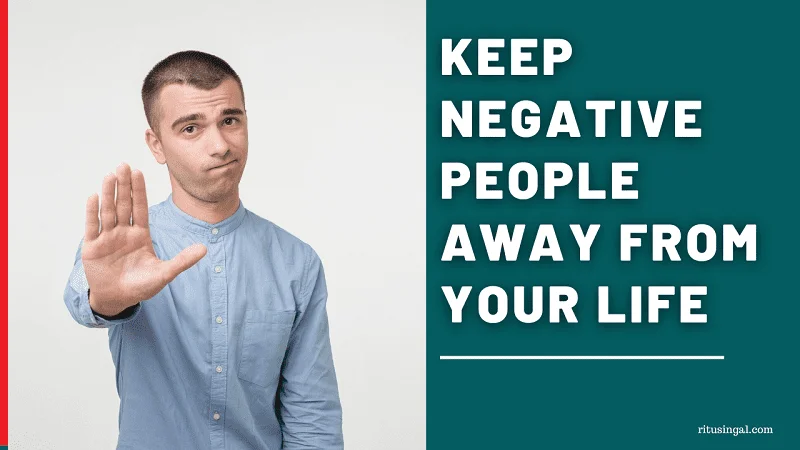
Suppose there are negative individuals around you who have full of negative thoughts and do not have any positive thing to express. When people around you have negativity, then they do not give you any benefit for your life’s success.
So, it would help if you always considered those people away from your life. You cannot increase your self-esteem with them, so keep them away and increase your self-esteem to achieve goals in life.
Consider better about your dressing sense
When your physical look best, then you feel best and positive. You should consider and think about your dressing sense. If you have a better dressing sense and look beautiful, you think positively, and it helps you increase your self-esteem.
Consider failure as part of the development
It is common to be high-tempered and angry when you fail in any of your projects. But if you can move your thinking to comprehend that failure is a chance to learn and that it is compulsory to know new things, it can support you in keeping perspective. When you face failure, you should consider it a part of your development and a chance to change things.
Face your fear
Permit yourself to sense scared but persevere anyway. When you have any kind of fear, then you should not run from it; instead, you should face that fear. In life, to become a successful person, you should face every problem to win your goals and improve your low self esteem.
Define success
Explain what achievement means for you in terms of your self-assurance. If you wish to perform something, you must discover your self-esteem and complete your job easily
Perform something creative
Creative responsibilities are a significant method to place the flow back in your life. Creativity inspires the mind, which helps you to do some creative things.
This is a brief view of self-esteem, and this above-given information will definitely help you to know better about self-esteem.