

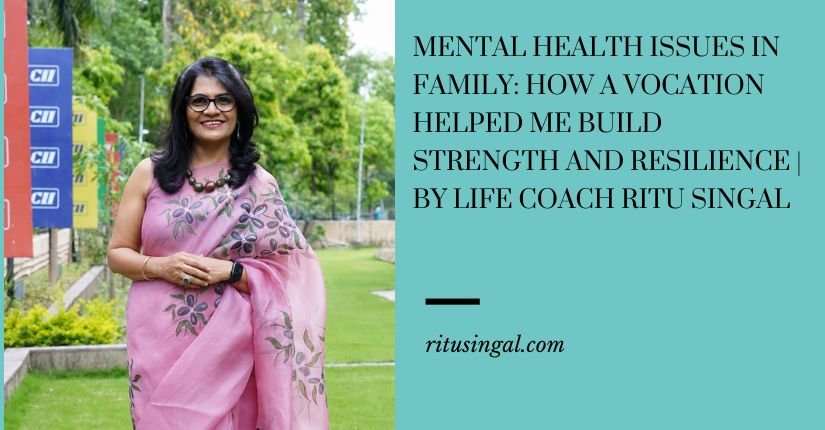
Mental health issues in a family affect everyone. I learned this lesson very early in life. Growing up in a home where a family member struggled with mental health challenges was not easy. Every day felt unpredictable. Sometimes the atmosphere was peaceful. However, at other times, it became emotionally exhausting.
As a child, I did not understand everything. Still, I could feel the emotional weight around me. I often wished for stability. I searched for something that could give me hope and purpose. Looking back today as a life coach, I realize that one decision transformed my life. That decision was starting a vocation at a very young age.
My journey taught me that meaningful work is more than earning money. It can become a powerful tool for emotional healing, confidence, and personal growth.
Starting Tuition Classes in Sixth Grade Changed My Life

Order your copy on Amazon here
I began taking tuition classes when I was in the sixth grade. While many children spent their evenings playing, I spent mine teaching younger students. At that age, I never imagined that this simple activity would shape my future.
Initially, I started tutoring because I wanted to become financially independent. However, the experience offered much more than financial support. It gave me direction during one of the most challenging phases of my childhood.
Every student I taught reminded me that I had value. Every class strengthened my confidence. Most importantly, every day helped me believe that I could create a better future.
A Vocation Became My Lifeline of Independence
One of the greatest gifts of tutoring was financial independence. Although I was very young, I could contribute to my own needs. I bought my books with pride. I purchased clothes without feeling guilty. Sometimes, I even managed to pay my school fees.
This independence gave me dignity. Instead of feeling helpless, I felt capable. Moreover, earning through honest work taught me responsibility much earlier than most children experience.
Today, I encourage young people to develop useful skills because earning creates confidence. It also develops self-respect and reduces feelings of helplessness.
Checkout: The Significance Of Youth Self-Confidence And How To Build It
Purpose Helped Me Stay Focused
Life at home often felt emotionally overwhelming. Nevertheless, my commitment to my students never changed. They depended on me every day. Therefore, I had to prepare my lessons, complete my studies, and remain disciplined.
This responsibility became my greatest teacher.
Instead of allowing difficult circumstances to control my future, I focused on education. Consequently, I performed well in school despite the emotional struggles surrounding me.
Purpose has a remarkable ability to organize our minds. When we have meaningful responsibilities, we naturally become more disciplined and productive.
A Safe Haven During Emotional Storms
My tuition classes became more than work. They became my emotional sanctuary.
Whenever I entered the classroom, I left many worries behind. Teaching required my complete attention. Therefore, my mind shifted away from stress and toward helping others learn.
This structured routine protected my mental well-being. It reduced overthinking. Furthermore, it filled my days with meaningful interactions and positive experiences.
Many people underestimate the healing power of a healthy routine. However, routine creates emotional stability, especially during uncertain times.
As a life coach, I often recommend engaging in purposeful activities because they reduce emotional chaos and restore balance.
Building Resilience Without Realizing It
At that age, I never used the word resilience. Yet, I was developing it every single day.
Balancing school, tuition classes, and family responsibilities required patience. It also demanded adaptability and emotional strength.
Every challenge taught me a valuable lesson. Every obstacle improved my problem-solving ability. Moreover, every responsibility increased my confidence.
Resilience does not appear overnight. Instead, it grows through consistent action during difficult times.
Today, I understand that resilience is not about avoiding pain. Rather, it is about continuing to move forward despite pain.
Work Gave Me Emotional Strength
Many people believe work only generates income. I respectfully disagree. A meaningful vocation also gives emotional security. It provides identity. Furthermore, it creates hope during difficult seasons. Teaching helped me feel useful. It reminded me that I could positively influence someone’s life despite my personal struggles.
That feeling became one of the strongest foundations of my emotional health. Whenever life became difficult, I reminded myself that someone was waiting to learn from me. That simple thought kept me moving forward.
Lessons I Carry as a Life Coach
My childhood experiences continue to influence my coaching philosophy today.
I have learned that we cannot always change our circumstances immediately. However, we can change how we respond to them.
Meaningful work creates confidence. Responsibility builds discipline. Service develops compassion. Moreover, consistent effort strengthens emotional resilience.
Families dealing with mental health challenges need understanding instead of judgment. They also need practical ways to stay emotionally healthy.
A vocation cannot solve every problem. Nevertheless, it can provide structure, purpose, and hope when life feels uncertain.
How a Vocation Can Support Mental Well-Being
Based on my personal journey, I have seen several emotional benefits of having a meaningful vocation:
It creates a healthy daily routine.
It improves self-confidence and self-worth.
It develops financial independence.
It encourages responsibility and discipline.
It reduces excessive overthinking.
It builds emotional resilience.
It increases social interaction.
It gives life a greater sense of purpose.
Even small responsibilities can transform the way we think about ourselves.
Final Thoughts
Looking back, I feel grateful for the challenges that shaped me. Although living with mental health issues in the family was difficult, those experiences taught me courage, compassion, and perseverance.
Starting tuition classes in sixth grade became much more than a way to earn money. It became my emotional anchor. It gave me confidence when I doubted myself. It gave me hope when life felt uncertain. Above all, it taught me that purpose has the power to heal.
Today, as Life Coach Ritu Singal, I encourage every individual facing difficult family situations to discover a meaningful vocation. You may not control every challenge around you. However, you can always choose purposeful action.
Sometimes, the smallest step toward responsibility becomes the biggest step toward emotional healing and lifelong resilience.