OUR BLOGS

Importance of Child’s Brain Development in the First Five Years

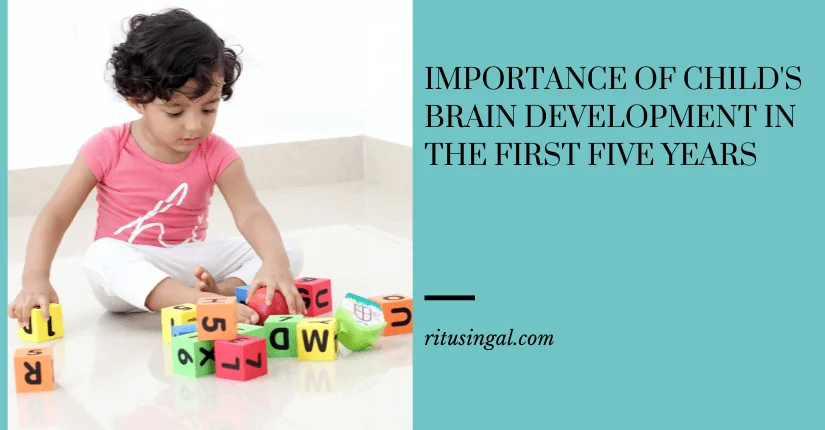
The importance of a child’s brain development in the first five years is often under-estimated. Discoveries in the last decade have indicated that the earlier a child’s brain reaches a state of readiness for learning, the more likely it will succeed in that learning. While the five-year-old still needs a lot of stimulation, the earlier it starts to acquire those skills, the better. There is an emerging consensus among researchers on this matter. It has been documented that children who reach their developmental milestones at a later stage are better equipped to succeed in life and enjoy better educational outcomes.

Brain development in children depends on the environment that they live in and the amount of stimulation that they get throughout their day. During this time the children’s brain keeps developing and growing at an unprecedented rate. Every minute and every second is crucial to the mental growth of a child. At this age, children start getting familiar with their surroundings and develop empathy and understanding towards different people and things. It is during this time when the childrens’ intuition also increases and helps them make wise decisions regarding their life. A child’s mind develops at this age when the children can begin to develop self-confidence and a positive attitude.

However, if we compare the mental development of today’s children with our generation of children, we’ll see a major difference. Today, the development of a child is very different from what we went through when we were young. One possible reason is that their environment was essentially a very different place from the children of today. Sometime young parents are taking Counseling Services For Children to understand early childhood development stages. Childhood mental health problems are fairly common among today’s children, but the cause may have been much more severe during those times.

Looking back through the history of childhood, we see a pattern of a very crowded environment. Siblings shared a room and often went to the same schools. That was a very simple arrangement. Back then families didn’t expect their child’s brain to develop as quickly as the children of today do.

But now we are in a very different place. Children don’t have to share a room with siblings, and they don’t have to go to the same school. Many children spend the majority of their time with their grandparents or other family members. Those are the kinds of circumstances that can hinder a child’s brain development.

What does this have to do with the importance of a child’s brain development in the first five years? Well, it seems that early neglect of any area of a child’s development can have long-term consequences. Today, if you are neglectful of your child’s cognitive abilities, you may not even realize it. But it will affect the child’s future.

Parents need to be aware of this potential brain problem. We want our kids to have a normal and happy life. And it’s also important for parents to recognize when they’ve done something wrong to help ensure that they don’t neglect their child. By paying attention to the way that their child’s brain functions and by being alert for signs of brain damage, parents can help ensure that their child gets the best possible start to life and a healthy brain.

How do children’s development and learning happen? 

Kids begin to learn when they are young. Play is the most important part of a child’s development. Playing helps them learn social skills, coordinate movements, and developmental skills such as focus, memory, attention span, and self-control. They also help their brains take shape as they learn by playing games, engaging in games, and interacting with others. Children do best in an active, hands-on environment. When they play they learn the basic rules of interaction.

Learning: How child development and learning happens? 

Learning occurs when children actively engage in activities that range from basic skill learning (such as naming colors or shapes) to more complicated ones (such as counting items, following directions, or making a decision). Children learn through imitation or the act of taking in information and applying it practically. Learning takes time, and children are never too old to learn. It is why parents should be involved in their child’s learning. Playing games with them is an essential part of their learning process.
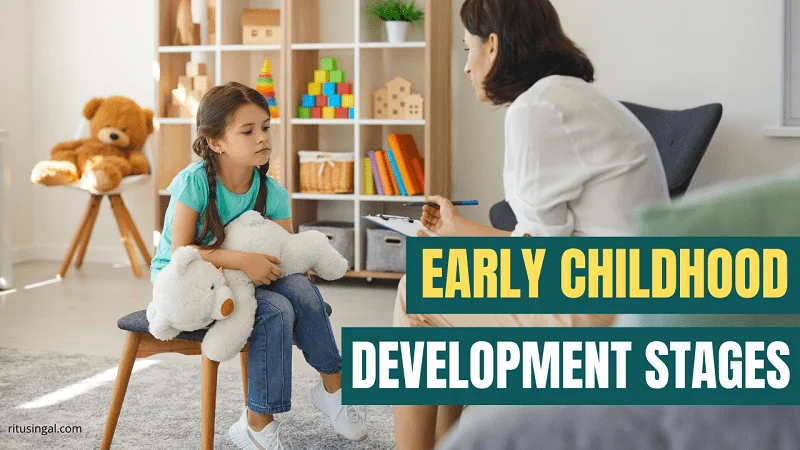
How child development and learning happens is very different from what people think. Parents and other caregivers can set up good experiences for their children, giving them a chance to learn through play. Children are social beings and love to interact with others. Playing with them, especially in the early years, helps them to grow up well adjusted and socially mature.

5 Things That Shape Child Development 

  • Healthy Eating 

Parents these days have to be careful about how they approach a discussion about healthy eating for children. Many of the popular ideas that are being promoted are not only harmful to a child’s health but are also totally unworkable. The worst part is that many of these “reinvented” plans are actually harmful for several reasons, and often the best course of action is to simply avoid them altogether. Forcing children to start eating a balanced diet when they are not ready is not only dangerous but also completely counterproductive. The best thing parents can do is make it clear that healthy eating is important, and that anything that goes beyond that is just not acceptable.

Forcing children to cut out certain foods or even eat altogether that do not agree with them is not going to improve their development in any way. It makes things worse by pushing them into unhealthy territory. By instilling healthy eating habits into children at an early age, it gives them a firm foundation to stand on as they enter school and adolescence. They will become aware of what is healthy, what is junk, and how to pick a good healthy food from a bad one. This, in turn, will help them develop the self-discipline that is required in order to maintain the weight loss and keep it off for the rest of their lives.

  • Physical Activity

The truth of the matter is physical activity is critical to the health and growth of children. It’s an undeniable fact that sitting around all day, doing nothing at all, or engaging in very few physical activities helps to set the tone for childhood and adolescence. Furthermore, sitting around all day without exercise is very harmful to the health of our children. A lot of studies have been conducted to determine the correlation between sitting and poor childhood health. The results were quite staggering.

Children who did not get enough physical activity during childhood or who were unable to participate in physical play and exercise were more likely to develop illnesses and disorders such as obesity, asthma, Type 2 diabetes, and heart disease. Physical activity can be a lifesaver for your child’s development. Playing outdoors, walking, biking, swimming, and doing aerobics are just a few examples of exercises that can help develop, keep healthy, and increase self-esteem. Children need to have regular physical activity to grow and be healthy.

While it’s true that children need daily exercise to promote a healthy lifestyle, they also need to learn about other things besides exercise. Children need to learn about their bodies, the importance of eating right, and of getting plenty of sleep. Studies have shown that a lack of sleep can lead to a decrease in physical fitness and an increase in childhood obesity. We all know that exercise is important for healthy weight gain, but now we also know that there are many health benefits to exercising daily. It’s not only good for your child’s development but is great for the health of your family.

  • Health

It is a well-known fact that health plays an important role in shaping the future of your child. Various diseases can affect a child’s growth and development and these include stunted growth, congenital heart defects, allergies, and many more. These factors can be avoided by having a healthy lifestyle that includes a balanced diet, regular exercise, stress management, and the right kind of care from the parents. Moreover, parents should take their children for regular checkups and also educate them about the dangers of health disorders. In fact, the right kind of education and precautionary measures should be taken to protect a child from all such heart and health problems. If you want your children to grow up healthy and strong, then they must undergo proper health checkups from their pediatrician at least once a year.

The pediatrician will check the general health of the child and also make necessary treatment if required. If the child’s growth is stunted or is suffering from any other physical or mental challenges, then you may also consult with the doctor to advise you on what should be done to improve the child’s condition. The doctor will also discuss various other aspects like the diet that is being followed by the child and the environment in which he lives.

  • Neighborhood and local community 

The quality of life, social capital, and the level of local investment in a neighborhood are essential factors in shaping the future of a child’s development. Research has shown that children who grow up in a stable and integrated neighborhood with both parents in it have higher educational outcomes as they move on to their high school or college level. These children also outperform those who live in isolated neighborhoods with single-parent families. Children who grow up in a neighborhood where they get good communication with at least two types of people and are surrounded by like-minded people are likely to have good social capital that is essential for their psychological development.

The size and shape of a neighborhood have also been shown to affect child development. Children who live in a small house may be lonely and feel that they do not have enough space to play or learn. It will affect their ability to make friends and learn from other children. Also, children who live in a very small and compact neighborhood, are less likely to enjoy outdoor games and activities and are at a disadvantage when it comes to achieving the top grades in school.

Child’s social circle is important when it comes to encouraging them to become successful in life. Childs’ neighbor is important not only as a source of contact, but also as a role model. Children’s neighbors can help the child to identify with others with similar interests and challenges. The neighbor should be a person the child respects and is open and honest, willing to listen to the child’s concerns and needs. By choosing the right neighbor, children are more likely to build strong relationships with these people in the future.

  • Importance of parent-child relation

The importance of the family environment and the child’s early years is well recognized and is reflected in all the programs and activities that are developing to enhance this relationship. The concept of family environment refers to the setting a child grows up in. It could be a foster home, orphanage, or any other arrangement. The major activities during the child’s early years are nursery, school, early childhood care and at different stages of life, post-Alma mater, and so on. These are crucial in shaping the person as they grow up and are an essential part of the unit’s personality.

The parent-child relationship for child development is a vital component of effective parenting. In fact, effective parenting requires that relationships between parents and children be harmonious. However, many people fail to realize that the quality of relationships between parents and their children are as crucial to child development as is parenting itself. 

A parent-child relationship for child development begins at birth. At that moment in time, the child is still dependent upon the mother for her warmth and security. The bond between the mother and child strengthens as they experience the early years of infancy and toddlerhood, as they grow up and learn to rely on their parents for love and companionship.

The parent and child must develop an honest and trusting relationship. Children can become very good at hiding their emotions if they feel they aren’t receiving support. The more you can learn about your child and the issues that they’re dealing with, the better you can support them in their efforts and encourage them in their growth. It is the best way for them to build a strong relationship with their peers and form a healthy foundation for emotional and physical development.

The last thing you want to look for when you start to establish a parent-child relationship for child development is how you relate to your own feelings. Oftentimes, parents will tell themselves that they just want to be supportive and take care of the child. However, they may be sabotaging their own development. For children, being a good listener and a good communicator are important traits. If you can learn to listen to your own fears and frustrations and help your child through the tough times, you will find that they will be much happier as they enter school and when they’re old enough to get involved with their own emotions and decisions.

Conclusion 

The process of child brain development is an extremely important developmental period in the life of children. It is during this period that they acquire the skills, knowledge, and learning abilities that will determine their future success in life. A child’s brain is capable of absorbing information fast, developing the ability to problem-solve, forming thoughts, memory, problem-solving, and learning new things quickly. All these skills are essential for a child to succeed in life. It is during this stage of brain development that the child’s IQ, school grades, and scholastic aptitude begin to increase. A child’s brain development in the first five years helps them develop a sense of self-worth, responsibility, and their own identity.

As a parent, it is important to be physically and mentally active to help your child achieve his/her full potential. It is essential to give your child a daily dose of cognitively stimulating activities. Cognitive activities help a child to increase his/her thinking abilities. Proper nutrition and care of health are essential to help your child with proper brain development.


The importance of a child’s brain development in the first five years is often under-estimated. Discoveries in the last decade […]

Top 30 Tips To Transform Your Life

“We are what we repeatedly do. Excellence, then, is not an act, but a habit.”     –  Will Durant

If the oft-quoted maxim is correct, it should also be true of mediocrity, its exact opposite. Extrapolating this logic means that mediocrity is born of mediocre habits and thus, the good news is that we can go change our mediocrity into excellence by changing our habits.

Transforming habits can certainly change life, but they cannot guarantee success. Warren Buffet may be fond of watching TV at home with a packet of pop corns in his hands but it, obviously, doesn’t mean that you, too, should do the same to get rich i.e. it is not a cause-and-effect link. Nasim Taleb, in his Fooled By Randomness, says that being punctual, sporting a clean shirt and using a fragrance contribute to success i.e. they are necessary but not sufficient to bring about success. So, habits don’t automatically result in outcomes. But yes, transforming habits for the better can improve the quality of our life.

Transforming your life can be challenging, but it can also be exciting and rewarding. In a way, transforming your habits can transform your life. Transforming your life requires that you go beyond the way you are currently living and create a better life by changing the way you live. You can achieve this by using thoughts, visualization, words, faith, actions, or a mix of them. You can use them to change what is happening within you and your life to get what you truly desire. Find a certified life coach or try our online coaching program for a step by step plan to create your ideal life

10 Ways of Transforming Your Habits

Here are the steps to make such transforming habits stick:

  1. Changing Mindset

Most life transformation stories are full of changing belief systems. We are our beliefs as they dictate what we do and how we operate. Changing your mindset can change the course of your life. As Wayne Dyer puts it so beautifully, “When you change the way you look at things, the things you look at change.”

A young Virat Kohli suffered from a fixed mindset and thought that he was born a certain way and therefore, he was stuck with it for life. But when he discovered self-development, he realized that he had been lying to himself as he could improve himself to become whatever he wanted to. But to make it happen, he had to change his mindset first.

Possibly, one of the most effective routes to a changed mindset is adopting healthy habits, which condition your mind for success. Research shows that the best way to create a change in life is by cultivating new routines and following them until they become habits which completely change your life.


  1. Deciding and Committing Oneself

Now you need to decide on learning how to transform your life to write your life transformation story. Did you ever commit something that didn’t hold out? The fact is that, when you commit to something, everything changes. Learning how to make commitments is about keeping them consistently, no matter what. A major reason why people fail to achieve their goals is that they lack discipline. They love the excitement of starting something new but once the going gets difficult, they retreat as they are not fully committed to transforming their life.

Masters do whatever it takes to transform their lives i.e. 100% as they dedicate their lives to it and thus, are extremely focused on achieving their dreams. Take a firm decision, rise and transform yourself with persistence, commitment, passion and hard work. If you take the right decision at the right time, your entire life can transform right before you.


  1. Does it deserve me?

Remember, you are trying to completely change your life and towards achieving this goal, only you are in a position to decide what a good habit is. Deciding whether a habit is worth it to you is central to cultivating new habits. Too often, we are often driven by a sudden whim like “I should be doing it!” But should you, really? Should you wake up an hour earlier than usual? Should I take a daily bath Should I go for a walk daily?

Waking up early may be helpful to some people. But before you take the plunge, ask yourself “Will doing so improve the quality of my life?” The reason is that we all need a certain REASON to change, something beyond and bigger than superficial reasons.

If you decide to read one book a fortnight, first ask Why? and What are my goals?

There are people in certain professions, which necessitate constant learning so that you can do your job better. Do you really need to? Answer this one and try to adopt habits that bring you closer to the things you want from life.


  1. One at a time

There are people who consistently fail to learn new habits as they try to cultivate many of them at a time. Hold back your horses if you are planning to do so. Otherwise too, we all know the situation when we do too many things at a time. We often end up with chaos and right back where we had begun. Sounds quite familiar?

But why we burden ourselves with so many things at a time is that we often over-estimate our capabilities to achieve much in a short time. It just isn’t true! Of course, you can achieve a lot over a long period -that’s true!

So, it is best to focus on one thing at a given time. Rather, make a list of all such new habits you would like to learn and then work on them in apriority order.

  1. Taking Action

Very often, many people are stuck in an analysis paralysis as they are so overwhelmed with knowledge that they are finally unable to take a decision or action. Taking action means that you need to take small and big steps to change certain aspects of your life. Just commit to doing one thing and you know, you will start moving in the desired direction.

Word of caution: Before committing to something bigger, try to achieve smaller goals to feel better about your efforts.

Don’t give up. If you fail, try again. Look at what you need to do today to get what you want. You have to start implementing the learning done so far. Anyone who wants to see positive changes in their child or other young people should consider counselling for youth.


  1. Keep it low

All life transformation stories had begun on a low note. We all would often love to achieve big things in life, without understanding them. For instance, building a successful business or career or anything remotely valuable needs consistent efforts. So before thinking of something really big, it’s better to begin small. Try to change yourself first before you try to change others. Just focus on small things in order to build a strong foundation to achieve anything meaningful.


Want to learn a song? Begin with the hook line

Would like to author a book? Write just one sentence.

Want to read a book in a fortnight? Read a few pages daily.


Once you get the hang of it, big things will follow.


  1. Check it

You wanted to do something and you did it, too. And then you forget about doing it again (after all, you had an intention of making it a habit). And then, suddenly, a few days later, you recollect what happened to the new habit of yours but you exonerate yourself.  Don’t let yourself off that conveniently!

To completely change your life, you must use checklists to remind yourself of what you were trying to achieve. We learn new habits to transform our life. So check off your habit list daily and in a few days, you’ll be wondering over how much you have changed yourself with such small changes.


  1. Achieving Results

The results of your actions can transform your life. When I discovered that I had to re-build my husband’s business and take care of our employees, I took a decision and action too, knowing well that I had to do whatever it took to realize my goals.

The results I got validated that legitimacy of our actions. Even getting a small result is still a result e.g. something as simple as putting one small thing into motion. It doesn’t have to be earning 1 core rupees dollars or becoming a Bollywood sensation overnight.

Look for small, realistically achievable results that you can celebrate. Look at what could be possible when you accomplish such small goals. This is the beginning of transformation that allows you to move to greater accomplishments.


  1. Being Consistent

You may have the best tools to completely change your life but if you don’t stick around, the change will not last long.  Being consistent can be the difference between failure and success. A lack of consistency halts your progress towards your goal altogether. But maintaining consistency is a problem as people become overly obsessed with results and forget about the process. Outcomes are, no doubt, important, but in the absence of a concrete process to guide you, accomplishing the desired outcomes is impossible.

Transformation is a lifelong process and to make it so, you need to fall in love with your journey towards it. This journey is going to be lined with highs and lows and you must be ready to face failure as it’s a part of the process. Anything worth pursuing is going to face teething troubles and you just need to plan what you are going to do in an adverse situation.


  1. Changing Your Identity

You are defined by your beliefs about yourself and you need to change your identity in order to transform your life. Shedding an old identity can mean leaving aside old belief systems. An effective way to demolish a negative self-concept to completely change your life and face your “inner” critic is to voice therapy, which can help you identify and defeat your critical inner voice. In this way, we cultivate compassion towards ourselves and reclaim our real self-concept.

Once you empower yourself, you begin to get consistent results as your own perception about yourself changes. But you need to sustain this momentum by deciding which new identity you want. Once you start actualizing this identity, your behaviour will change, thereby enabling you to achieve your goals.


Besides these steps, you may also try to incorporate theses habits in your routine life to help you towards personal transformation:

  1. Have a life vision: Why are you here? What would you like to learn? How would you like to contribute to this world?
  2. Accept certain things as a given i.e. outside your circle of control e.g. weather, long queues at the grocery store or others’ opinion about the world. Save your energy for more important things.
  3. Create a mental picture of the highest version of yourself. Imagine how you would think, feel and act in that state. Begin to act like that until it becomes second nature.
  4. Set goals and review them regularly. This is one of the top habits of highly successful people.
  5. Have a daily meditation routine so as to cleanse your mind just as you cleanse your body.
  6. Jot down the things you are thankful for. The more you appreciate your blessings, the more blessings there will be for you to appreciate. Cultivate a mindset of plenty by appreciating what you have. We are surrounded by all forms of plenty on the earth — just think of a tree in full bloom, grass in a park, or the beach.
  7. Before you hit the bed at night, tell yourself consciously: It’s good and it’s done. Tomorrow will be a new day.
  8. Always have a 5-second pause before you react to a person/situation. It will help you think through your response with love and empowerment.
  9. Be open and approach every moment as a fresh start as it’s never too late to change a perspective. It’s also never too late to be the kind of person you would like to be.
  10. Forgive yourself and others to unburden yourself. Let go of your past, it’s done.
  11. Be present in the now and learn mindfulness. The present moment is when we experience the gift of life.
  12. Question your own beliefs. Most of them were learnt in childhood and are probably not working for you. Try to create your own empowering beliefs.
  13. Aim to grow, but not to be perfect. Do not berate yourself as you falter while learning new skills.
  14. Celebrate small achievements. They build confidence and lead to greater success.
  15. Try out new things. Do not live the same year 100 times and call it life. Try out new hobbies, a new sport, city or even a new career.
  16. Take good care of yourself with nourishing food. Your body is only home for your soul on the earth.
  17. Keep company with dreamers and doers.
  18. Stop having attachment with outcomes. Redefine success as giving your personal best. Remember your full effort is your full victory.
  19. Do one thing each day out of your comfort zone. Fear is a natural ally of growth and expansion. So train yourself to feel the fear and act.
  20. Stop judging others for their behaviour and performance as everyone is doing their best in his/her context. You aren’t the boss of the Universe. Be more open, honest and vulnerable with others to let them enjoy and love the real you, and not the face you put on.

“We are what we repeatedly do. Excellence, then, is not an act, but a habit.” – Will Durant If […]

Learning To Speak With Clarity

Good leaders know the importance of talking with clarity and commitment. Not only do they enjoy the benefit of talking, but they know the importance of speaking clearly. Speaking with confidence and clarity is talking with authenticity and accuracy. If you intend on being an effective leader, all your followers must be able to comprehend your mission.

I have found that one of the most difficult things for many people to do is to speak with confidence. The best way to do this is by listening. When you are speaking to people you don’t necessarily know, sometimes it is easier to slip into the conversation as if you were talking to two people in the same room. A good leader works on communication every day, and understanding the power of communication requires being open to multiple thoughts and ideas.

If you want others to view you as an effective and credible leader, then you need to learn how to speak with confidence and clarity. One way to do this is to listen carefully to what you say. It is critical that you do not try to sound knowledgeable and do not use jargon. 

Many people use these types of language which makes it very difficult for people to understand what they are saying. If you want to lead effectively, then you should start today by learning more about the importance of speaking clearly.

Here are some most common challenges faced by people to speak with clarity and their solutions:

  • Being Nervous 

Being nervous results in not speaking with clarity. Therefore, the person does not have much of a reason to speak. Sometimes it is due to the stress of speaking in front of an audience, and other times it is a result of not feeling comfortable in front of a crowd. Either way, speaking with clarity is one of the main key points in performing well in any type of performance or speaking in general.

One of the ways I use to overcome such fears is to challenge myself. Challenge yourself by not worrying about how many people are in front of you, and if everyone is in their right mind, you will still be able to speak confidently. Challenge your mind by telling yourself that everyone is at ease and they are just having a good time. Everyone feels nervous when they are giving a presentation. Challenge your mind by telling yourself that the more nervous you get, the better your speech will sound to the listeners.

When you are giving your presentation, ensure you prepare yourself for the audience, not the listeners. It is crucial to know and understand your audience and how they may be able to interpret your speech. In this way, you will not get nervous giving your speech.

  • Fast Speaking Speed 

The art of speaking fast is something that all good Speakers are taught. They are trained to speak their lines fast so that they do not have to worry. Also, it allows them to explain their point in the least amount of time possible. It is the ultimate goal of most speakers. They want you to be able to speak as soon as you have to, and nothing slows people down quicker than a long-drawn-out speech. But how can you speak fast and still come across as being clear? There are a few tips that can help you learn how to speak extremely fast, and if you practice these tips you will notice a huge improvement in your speaking ability. In the corporate world some companies go for employee counselling to develop their skills and personality. 

Practicing Your Speech

The first tip that we have for practicing your speaking skills is that you need to practice your speech as much as you can. It may mean going to the library or book reading every day or taking the stairs whenever possible. Practicing your speech ensures that you are becoming better at your spelling and pronunciation, which will lead to the much sought-after fast results.

Practice with friends: It is very easy to be embarrassed when you try to speak with someone on the phone or in person, especially when you know that they are not going to understand you. By practicing with friends or family, you can become better at speaking fast, and it will make your speech flow easily. You can even have them read out loud parts of your speech when you are practicing. Just make sure that you do not overdo, and that you are giving your best effort. If you keep practicing, eventually, you will start coming across as extremely clear in your speeches.

  • Mumbling

It is quite easy to understand the concept of mumbling when speaking. When you mumble, you are inadvertently committing a mistake because the person next to you cannot hear what you are trying to say. You might mumble because you have to figure out what exactly you are supposed to be saying, or you may mumble because you are too tired and want to get it over with. There are those times when people are so excited about something that they mumble over what they are saying. If you have this problem do not worry too much, I will show you the solution to your problem.

The first thing you need to look at is your breathing. If you find that you are not getting enough air during your sentence, then chances are you are mumbling. Try taking deeper breaths through your nose and out through your mouth. If you can do this properly, then you will notice a huge difference in your clarity and how you speak. You will be able to properly deliver your message, and everyone else will be able to hear what you are trying to say.

The second thing you can do is to make sure your hands are steady. Mumbling in speaking tends to come from the inner regions of your brain and not the vocal regions. Your vocal cords are the ones that produce clear sounds, so if you keep your hands steady, then you will be able to focus on what you are trying to say.

  • A Low Pitched Voice 

One thing that can get in the way of how effective your communication is if you have a slow or soft-spoken voice is when you tend to mumble, speak too slowly, or talk at a fast rate. It can really affect how well people understand what you are saying. It can also be difficult to maintain eye contact, which is critical to have a good conversation with someone. If you are one of those people who have this problem then you should try and work on it.

Below I am going to go through some of the main reasons why having a low-pitched or quiet voice is a problem and some ways that you can correct it.

One reason as to why having a slow-pitched or whispery voice is such a problem is because it tends to make you seem unimportant. If you look at many people, they speak in very deep voices which is something that everyone likes.

Unfortunately, many people who need to project their confidence find that speaking in a low-pitched voice is more acceptable. They would rather suffer through speaking in a squeaky voice than get somebody else to agree with them. It is a big issue when it comes to public speaking skills.

The other reason why having a low-pitched or whispery voice is a problem is because it makes you sound too namby. When you have a nice deep voice, your accent comes out much better. It also adds clarity to your speech. If you have a squeaky voice, you tend to sound nasal and that affects your clarity of speech. People like it when others are clear in their speech, and they prefer to hear people clearly because of the clear tone in which they speak.

  • A Bold Accent 

A strong accent can be hard to control when you are young, and there are ways that you can overcome the problem of not speaking with clarity. The most important thing to remember is that strong accents do not come from birth, and in many cases, they are learned as you get older. For instance, many of the world’s great authors were not born with a strong American accent but developed it as they aged. It is possible to control this, however, by taking a few simple steps.

When you want to be understood clearly, it is important to know and understand how others perceive you. It is where many people have trouble, especially when it comes to the kind of “cold” humor that many people use.

 If you want to be taken more seriously as you communicate, then you should know and understand the signals that others give when they are considering your strong accent. It can be done through understanding and knowing the cues that others use to tell you. The next time you are in a public place or are talking on the phone with someone, try to think about how you can use your strong accent to your advantage.

 Many people learn how to speak with a strong accent by listening carefully to the people around them. You can easily practice by watching television, movies or listening to music. By paying attention to what others are saying you will be able to recognize when you are straining to reach a certain register. As you get better at recognizing cues, you will be able to speak with more clarity and less effort. Many people are not aware of this, but when you are trying to communicate with another person, accents can be a big factor. However, you should know that having a strong accent does not mean that you will have to speak with a very loud voice, just be aware of the signals that others give.

3 Tips for Effective Speaking

Below are few tips that can help you to speak with clarity:

  • You don’t have to use big words:  When I first started to learn how to speak with clarity, I spent countless hours of my life reading books on the subject. When I finally realized that all those years of reading books about how to talk with clarity and speech recognition techniques were for nothing, I started to research it all myself. I tried about every single self-help book I could find on the subject, but I discovered that there were two highly crucial keys to talking with clarity that no book could ever teach me.

The first key is to stop talking and start listening. It may sound simple, but it’s one of the most important keys to learning how to speak with clarity. If you are willing to stop talking, you will be able to hear other people more clearly. Also, you’ll be able to grasp things more quickly. As a result, you will talk to more people without even saying much of anything.

The second key is to learn how to emphasize your own words. You don’t have to use big words to speak clearly. People learn to talk with clarity because they focus on what they’re saying, but they rarely learn to emphasize their own words. It is important not to be afraid of using emphasis when you talk because it will make you sound clearer and more intelligent. There are tons of great guides on the Internet that will teach you how to use both of these keys to talk with clarity.

  • Captivate and engage others: Learning to speak with clarity and personal storytelling is the secret to captivate your audience and engage them. You see, there are two types of people when it comes to marketing. Some people are there to sell you a product or service. Then some people are there to help you help yourself by teaching you how to do that. It is much easier to sell to the first type of person than to reach out to the second one.

When you can reach out and captivate your audience, the second kind of person has to figure out how to get their point across. That’s where the problem lies. If you are giving a speech and you cannot connect to your audience in any way because you are talking to a bunch of non-interventions, you are not giving a very good speech. The problem with most of the public speakers who I have seen over the years has always been that they can not connect to their audience. They tend to speak in a monotone, use “I” too much, and deliver speeches that lack meaning and solid information.

You see, without confidence and charisma, your presentations are not going to go over well. To make your talk interesting, you have to be able to infuse some enthusiasm into what you are saying. If you are not charismatic and feel like you’re not charismatic enough for your audience to follow you then you are just not going to get the job done and people will turn away from your talk. 

When you can reach out and captivate others through your clarity and charisma you will be able to help others help themselves. You will also become an example for others to follow, and that is why confidence and charisma are so critical if you want to learn to speak with confidence and passion.

  • Write more often: Writing is an exercise that will improve your comprehension of the material you are reading. When you read every morning with an open mind, chances are you will begin to understand the material more quickly. When you write it down, you can review the sections again, to make sure you understand every concept. Reading every day will also teach you to avoid repeating information because you can see why certain phrases are important.

Learning to speak in a language that you are not familiar with may be frustrating. You may think that you have mastered the language, but you cannot communicate using it. Reading books in a foreign language will help you become accustomed to speaking that language. You may also wish to read magazines in a foreign language so that you do not forget what you have read.

Learning to write with clarity can be difficult, but you can get better at it with practice. When you write every day, you should also practice talking with clarity. Speak with confidence, and you will sound more knowledgeable. If you have trouble speaking in a foreign language, consider taking a class. It could be just what you need to learn how to speak with clarity.

Conclusion

You may not realize the importance of good communication skills initially. But, with time you’ll see how you can grab numerous opportunities by conversing the right way. From college admissions to job interviews, your communication skills directly impact every aspect of your growth in life. Effective speaking is a skill that you might not be born with. However, it is also a skill that you can work on. Speaking with clarity can be attained with time, training, and practise. 

Good leaders know the importance of talking with clarity and commitment. Not only do they enjoy the benefit of talking, […]

Transforming Indian Parenting Techniques

Parenting is one of the most rewarding jobs in the world. Unfortunately, many parents suffer from a lack of a positive relationship with their children. The problems often stem from a lack of communication between the parent and child. It causes an inappropriate level of stress on both sides. Often tension leads to fighting, and this can negatively impact your child’s emotional development.

In order to avoid this negative impact and promote healthy child-parent relationships, parents must become more aware of how they communicate with each other and what their child’s reaction is when they do so. In addition, a solid parent-child relationship actually makes parenting easier because kids who feel closer to their parents tend to want to follow, help and listen. 

Unfortunately, many children don’t feel as close to their parents as they should because communication lines are not open or they are afraid to talk to their parents. You must understand that children learn from their parents and that positive interactions are valued. It is also crucial that you work to foster better communication with your child. 

In India, it is a major problem that children do not open up with their parents, and it causes huge problems later on in life. 

Being a single parent, I know the struggles and hardships a single parent has to go through. Not only do they need to balance work and life, but also prioritize their children. In fact, in a single-parent family, you do not even have the choice to quit your job to concentrate on your kids. 

I am a mother to two daughters. I was quite young when my husband died. With two young daughters, I had no idea how I would manage everything from work to family. I had to take over our family business after my husband, but I also had to raise my daughters. I was a housewife before, and I did not want my daughters to feel that they get ignored because of the work responsibilities that I have now. So, it started getting very stressful for me.

However, I decided to manage my time and work in a way that I manage all my jobs efficiently. To create a work-life balance and raise my daughters, I gave my 100 percent. I decided to give my best and see what results come. My daughters were smart and independent. At times, they would understand my struggles and help me. 

I made sure I never mix my work and family. I made a rule where I’ll be 100% present in my office during office hours. I would be completely present there. Similarly, when I would be at home, I would stay with my family and not get distracted by work. It was hard to maintain a balance initially, but soon the trick worked for me. I neither let my work suffer because of my family commitments nor did I let my daughters suffer because of my work. 

Here are a few things you can do to help make sure you establish a healthy parent-child relationship.

  • Make sure you have consistent cues for good behavior and bad behavior. You can do this by reinforcing positive social skills and encouraging your child to say “please” and “thank you.” 
  • For example, if you have set a specific time for your child to eat their lunch, make sure that you start the meal early so that they are more likely to stay on track and to finish eating before the timer runs out. 
  • Also, when taking a walk with your child, remember to have your child follow you and not simply go by yourself. 
  • Establishing a good parent-child relationship will help you and your child development with early childhood issues. 

7 Parenting Tips That Work Like Magic

Here are few parenting tips for more effective parenting: 

  • Boosting Your Child’s Self-Esteem: 

If you are a parent then you know how important boosting your child’s self-esteem can be. We are bombarded with messages that tell us that we need to excel at all costs and that success means getting a college degree and landing the job of our dreams. There are also countless television shows, movies, and articles that teach us to raise our kids better and that their life experiences will make them better future individuals. Kids need to get a healthy dose of these messages. The problem is that many parents don’t know how to raise self-esteem in their kids and so, they do not know what the best methods are to do this. In this modern and busy lifestyle parents can take parent counselling service for better understanding of their parental style.

Fortunately, many parents on the Internet have been through similar experiences. We all have seen the movie ‘Taare Zameen Par.’ The movie is a perfect example of how a parent’s attitude towards their child can destroy the child’s self-esteem. However, when the child meets a teacher who is ready to invest and motivated him, the child’s confidence started growing. It led to a change in the thought process of parents as well. Ishan’s father became aware of his mistakes in making his child suffer.

Kids with low self-esteem are often afraid to talk to people in authority. Because they don’t trust adults, they’ll avoid social situations altogether instead of talking with them and improving their self-esteem. So, next time your child needs something to do, try talking to him or her about the way they look or act. Eventually, they’ll realize that they can trust you, so they’ll be eager to talk to you and improve their self-esteem in no time.

  • Catch kids being good: 

If we are to improve our parenting skills we must take a close look at the ways we discipline children and if we follow these tips faithfully, our children will not only learn to get along with others better, they will also learn to set limits and stick to them. 

Often parents are guilty of scolding, and it can actually make things worse rather than better. One of the best parenting tips is to recognize when your child is getting good behavior. When they accomplish some goal or simply doing things right, praise them. You will find that as long as you praise them for the right things, your children will continue to use positive behaviors to get what they want, and this will encourage them to stick to these goals.

The most effective approach is to catch kids performing something remarkable. For instance, ‘That was so great – you made your bed’ or ‘you woke up early enough to get ready!’ Or “you were watching us play, and you were so patient.’ 

These simple yet effective statements will do much more to promote good behavior than scolding. You may find that once you have caught your child in the act of performing the proper action, all you have to do is to praise and reinforce that behavior until they achieve the goal. In the long run, this can help you establish a routine for your children to live by. It will encourage good behavior rather than discouraging it.

Of course, it may be helpful to have your kids perform these things for you before you start praising and encouraging them. It allows you to get an idea of what works and what does not, which is something that parents often do not get when they are raising teens. 

Some parenting tips focus on the idea of setting regular routines for your children to follow and this is something that all parents should be doing. It is something that can keep kids motivated and on track so that they can enjoy their relationships at school, at home, and with their friends.

  • Set Limits and Be Consistent With Your Discipline: 

Setting limits is crucial as controlling children is difficult enough without having to go through it alone. When you are trying to discipline your children, you must establish a set of rules and limitations for them to follow. You must stick to these rules for their safety and well-being. If you do not do so, then it is likely that you will have problems with your children, and they will eventually rebel against you and your parenting methods. Therefore, when you have set limits for your children, it will be easier for you to discipline them, and they will also be able to enjoy their childhood to the fullest because they know exactly what they can and cannot do. 

When you have set limits for your children, you will also need to set rules for yourself so that you are consistent in enforcing them. If you are always letting your child do whatever he wants whenever he wants, then you are only teaching them that it is all right to do as they wish. It ultimately means that they will never learn how to make good decisions for themselves, and they will also lack self-discipline. 

As a parent, you must teach your children what to do by consistently implementing some rules. It will help them become responsible adults who will follow their own rules and laws even in the future.

Setting limits does not only work well within a formal relationship with your children but also in an informal family setting such as with friends or at home. It is essential to teach children that when it comes to discipline, they need to follow what you say.

  • Make Time for Your Kids: 

As a parent, you need to make time for your kids. I believe that if you do not spend time with your children, they will tend to feel neglected. Also, you need to make sure that you give your children the space they need so that they can enjoy being kids. No matter how busy your schedules, your children still should always be your top priority.

Another one of the top parenting tips I have is to model kindness and patience. I know that it can seem very impossible at times but being kind and patient with your children can really make time go by. The more you show your children kindness, the more they will want to be like you. They will also tend to listen to you more because they realize that you do not yell and scream at them all the time. Also, try to be consistent in everything you say. If you show your children that you will always listen to them and do what they want, they will be more likely to do the same thing.

Another tip that I find useful is to never get upset with your kids or their actions. There is nothing that a child can do that you will not be angry with them for. The best thing that you can do is to be patient with them and never show your anger to them. Remember that children often mimic what their parents are doing. So, if you are constantly angry with them, they will act the same way with you.

  • Be a Good Role Model: 

A critical parenting tip is to be a good role model. It doesn’t mean that you should jump right in and start acting out or teaching your kids right from wrong, but it does mean that you should try to act like an experienced adult. It doesn’t mean you shouldn’t let your children be kids, but by showing them what adults do, your children will be better prepared to deal with all kinds of situations when they get older.

A young kid loves to imitate what he sees adults doing around them. So, by being a good role model to them, your child is going to pick up lots of good traits from you. It means that being a positive role model to them is necessary. You have to always feel like you’re looking in the mirror at yourself.

  • Make Communication a Priority: 

Communication is one of the most important factors that influence the development of a child. For a long time, it has been recognized that if parents can communicate well with their children, they can create a bond that can last through life. They can develop an awareness of their worth as people. However, it’s often acknowledged that communication difficulties can cause a lot of problems for the parents as well. It’s not unusual to discover that a young child who has communication problems will be subjected to a range of disciplinary measures from severe to light. One of the most effective parenting tips concerning communication is to make sure that you make communication a priority as a parent. You might be surprised at the many advantages that open communication can bring to your family.

Communication is necessary because it creates and fosters a sense of community in your home. Young kids are much more social than older people, so you must establish some sort of community in which your child can belong and communicate with other children. The most successful social relationships in which children develop are the ones shaped by parents interacting in meaningful ways. Therefore, parents must take the time to talk to their children. The more you talk with your child about things, the more he or she will pick up on the important lessons being communicated.

  • Show That Your Love Is Unconditional

As a parent, it is often difficult to show that you love them because love is not something that you can just give away. Unfortunately, giving gifts is not the same as getting things that we expect to receive. 

In contrast, the way that you show that you love your children unconditionally as a parent is to let them go when they misbehave. I know that this is easier said than done. Children are always misbehaving, and there are always ways to punish them for doing things that you do not approve of. However, I have found that by rewarding good behavior rather than focusing on the bad behavior, children are much more likely to continue to behave well even though they may be getting some sort of punishment.

Another way to show that your love is unconditional is to not spend your time yelling at your children. We hear so much about how parents scream at their kids. The truth is that this does not help to resolve any of the underlying issues between the children and their parents. Instead, it just makes the situation worse by making the child withdraw even further from his or her parents. Instead of screaming at your children, find a way to explain the rules of your home so that they understand where they stand and where they need to go.

Parenting is one of the most rewarding jobs in the world. Unfortunately, many parents suffer from a lack of a […]

Gain Confidence with Personality Development Counselling

Many people believe that personality development occurs along with aging. However, it is not true. You don’t have to wait to age in order to build a robust personality. The personality development process occurs at various levels like psychological, biological, and social. It has been seen as a continuous process and is influenced by individual experiences and environmental context. 

Some of the most important personality development skills that are needed for one’s life are psychological skills like problem-solving, listening skills, and communication. These abilities help in forming relationships with other people, which is especially important in adulthood when relationships become more important for reaching goals.

What is the importance of personality development counselling for teenagers?

It is said that teenagers show fewer depressive symptoms even when they regularly meet with their psychologists or mentors. The role of psychology and mentoring in this regard is very important. A good psychologist or a good mentor will be the one who can identify the flaws or the shortcomings in an individual and help them to develop positively.

Moreover, it will be the one who will help them to look for solutions so that they do not have to face any hurdles in their lives. Visiting the mentor’s office even once or twice a year will make a huge difference in the teenager’s life in the long run.

Teenagers often have many things to take care of in their lives. Sometimes, the pressure of performing well in schools, going to a proper school or college, and getting good grades in school is very hard. All of this results in a teenager feeling very unhappy. Sometimes, he or she does not know what his or her life goals are or how to achieve them. It could lead to feelings of being useless or unwanted. Hence, personality development counselling for teenagers should be given importance.

  • A life coach or a mentor will guide a teenager or a young adult on various aspects of personality development counselling. In turn, the teenager will have to identify his or her own personality type and choose the right type of personality development counselling as per his or her personality type.
  • Being a life coach and teenager counsellor, I have vast experience in helping teenagers develop good personalities. There are various methods and techniques of personality assessment that are used by me or other personality trainers. Some of these techniques may include the Myers-Briggs test, Rorschach Inkblot test, etc.
  • A life coach or personality development counsellor will work with the young adults to set up goals and help them achieve those goals. The goals that they set up for the teenager will help him or her to think clearly and to achieve things in life. These goals should be realistic and achievable.
  • The personality coach or counsellor will also help the teenager to develop self-esteem and gain confidence. Self-esteem and confidence are vital especially in the areas of achieving career goals, looking good in social situations, overcoming low self-image, becoming more popular, or even just starting out in life. It will help the teenager to think positively, and the chances of achieving his or her personal development goals will be more in his or her favour.

As a qualified life coach, I help teenagers to understand and accept his or her true personality. Young people will then be able to make crucial decisions in life and achieve their goals more efficiently. Hence, to become successful, the teenager must be able to work with his or her life coach or personality trainer effectively. Your life coach or personality development counsellor can play a vital role in helping you in achieving your goals in life.

5 Personality Skills You must Have

A personality development program is designed to build working relationships by helping employees understand their strengths and vulnerabilities and build relationships based on them. It facilitates problem-solving skills development and employee morale. It helps in identifying personal goals and aspirations. It helps people develop by achieving their career goals.

Personality development counselling helps in various fields of life and helps in building various skills. Here are a few skills that an individual can achieve with the help of personality development counselling. 

Our personality development process covers five main areas of personal values, attitudes, beliefs, skills, and motivation. The first three areas cover your basic personality, attitudes, and beliefs that determine your ability to interact with others and solve problems. People who are more flexible, innovative, and capable possess positive attitudes. Team players are also more productive and get things done quicker. These traits become a part of your core values of personality when you incorporate them into your professional life. You will start to see improvements in all areas of your performance.

The skills and attitudes area deals with your ability to effectively communicate and interact with others. It also deals with self-confidence, leadership, adaptability, assertiveness, and professionalism. This area of personality development helps to build self-esteem, leadership, and adaptability in employees. Some organizations arrange employee relation counselling programs for their employees and try to improve employee relationships.

  • Problem-solving skills 

Improving Problem-solving skills include being aware of the person who is having problems. A person should be able to identify the negative qualities in themselves and others. It is important to make sure that the negative attributes do not take control of a person’s thought patterns and emotions. This process can be difficult for some people to master as it requires them to be more honest and open with themselves than they might naturally be. Overcoming a problem with tact and gentleness will generally have a better impact on the overall results than a confrontational approach.

The strategies that work best to tackle problems can involve the person taking a critical thinking approach. People need to be able to think critically and not react emotionally when faced with problems. A good personality development program will help a person learn how to change their thinking and their behaviour so that they can resolve problems that come their way. People will become better able to face problems that occur because of their environment. They will have improved communication skills that will allow them to get their thoughts across effectively and so they can solve problems that arise.

Why do you need problem-solving skills?

  • Problem-solving skills are vital but getting an improvement in those skills will not necessarily mean that a person will be a problem solver. In fact, many of the best problem solvers in the world do not have problem-solving skills. They simply know how to solve problems. 
  • A person needs to have clarity about what is wrong and how they want to get it done. They need to know how they feel about each step in the problem-solving process and how this will affect their actions. They should be willing to ask for help if the situation calls for it.
  • The most effective personality development program will provide people with tools that help them to improve their problem-solving skills and develop an increased sense of flexibility. People need to know that they are not helpless and that they do have alternatives.
  • Problem-solving skills also boost employee motivation and can prove to be a valuable tool in a competitive business environment. Team players benefit from improving their problem-solving skills.
  • Speaking skills 

The field of personality development counselling has seen a lot of developments over the past few years. It is very helpful to identify and deal with personal issues which can result in loss of self-confidence, low self-esteem, depression, and other similar problems. Being a professional life coach, I am equipped with the required knowledge and skills. A counsellor can assist you in dealing with several problems.

Efficient speaking skills help an individual to develop a positive attitude towards life which eventually leads to the achievement of his goals and objectives. It helps an individual to cope up with various life situations that can prove to be highly challenging at times. 

Why do you need speaking skills?

  • The development of the personality of an individual goes hand in hand with making changes in one’s life. For this reason, personality development sessions are beneficial in changing one’s viewpoint and perception towards life. 
  • We all know the value of good speaking skills in today’s time. If we want to grow and develop in personal and professional life, then improving our speaking skills is essential. One of the biggest aspects of personality development is how you talk to others.
  • Being a life coach, I have helped many people improve their listening and speaking skills. We use various tools and techniques to teach people and help them develop various life-changing skills.
  • The counselling services provided by a counsellor help an individual to deal with stress, improve communication skills, gain self-confidence, improve listening skills, improve interpersonal relationships, overcome fears and weaknesses. These are some of the most important aspects of personality development counselling.
  • Listening skills 

Personality development counselling improves listening skills by helping individuals explore and discover their innermost feelings and motivations. It helps them to create new insight and understanding towards themselves and others. It helps people deal with difficult situations in a more effective manner. 

I believe a person is able to improve listening skills by following these simple steps:

  • Always listen to the information being presented rather than choosing to re-wind and try again.
  • Always pay attention to the speakers.
  • Try to identify what the benefits are being offered by the speaker in the lecture.
  • Try to use the benefits in your response.

As you can see, paying attention to your listeners is very important. If you can successfully develop good listening skills, it will be easier for you to effectively communicate with others. It is very easy to make a speech or a presentation full of sound and fury but if you cannot properly listen to what your audience is saying, the majority of people who heard your speech or talk would not be able to understand you. In addition, if the person who wrote or spoke in the seminar you attended is not presenting something to you that he or she truly believes in, you may get frustrated as well. So in order for you to make sure that you are not frustrated, you need to pay attention and hear what’s being said.

Why do you need listening skills?

  • Listening skills are the main key in communicating with others whether in English or any other language. So it is important to know how to better improve your listening and speaking abilities for not only your communication but also for your social life. 
  • The process of personality development counselling is very helpful as it helps people to make healthy choices. It is done by building a framework within which the client can understand and make better decisions. It teaches the client how to be goal orientated, how to manage their resources, how to prioritize and plan their time and their tasks, and how to get more out of each task they perform. 
  • Interpersonal Skills

One of the major goals in personality development is learning how to develop interpersonal skills. Interpersonal skills include the ability to listen effectively, be open-minded, and have good communication skills. 

Although these are skills that can be developed individually, they also can be developed through a curriculum program designed for your personality development needs. The interpersonal skills you learn may include communication with others, negotiating, delegating responsibilities, listening, and leading.

Why do you need interpersonal skills?

  • Skills in interpersonal skills are important because they affect every aspect of your interactions with others. These skills can be the difference between getting along well or getting along at all. It is critical to realize how interpersonal skills can affect personality development because these skills are usually developed during childhood or adolescence. 
  • As you get older, these skills tend to become rusty and can prevent you from being successful in your career and personal relationships.
  • The best way to develop these skills in personality development is to find a multi-skills learning program that will provide you with skills in various areas. We have specially designed programs to help people enhance interpersonal skills at each level.
  • It is also important to remember that each person has their own unique personality type. Each personality type can require various types of skills in personality development. It can be difficult to think about and choose skills in personality development that will work for you, but it is definitely possible. You may even be surprised by the results you get.

Read here>> The Importance of Interpersonal Skills

  • Communication Skills

While communication skills and interpersonal communications skills are crucial in developing any personality, there are many benefits of communication skills with personality development counselling. In fact, one of the greatest things about communicating with people is that they will always tell you what they think rather than you having to try and convince them. Communication and personality development counselling is the perfect marriage for communication skills and personality development.

When you communicate with other people, it doesn’t mean that you will always get what you want. Sometimes you will come off as being abrasive or not getting their point of view across. When this happens, some people will get defensive and start arguing with you. This can be a huge problem if you want to get something done. 

Why do you need communication skills?

  • You need to be able to communicate your ideas clearly to everyone so that everyone understands your reasoning.
  • When it comes to personality development counselling, it teaches you how to be more effective with communication when you are working with other people. It teaches you to think before you speak. 
  • It also teaches you how to properly express your needs and wants. It prepares you to properly listen to the other person as well. If you want to be successful with people, you have to be able to communicate with them and understand them.
  • Once you learn these communication skills, you will find that you are more confident and have a better chance at finding success with whatever it is you are trying to get done.

Read here:: How A Life Coach Can Help You With Effective Communication Skills For Growth?

Conclusion

Personality development is a key factor when building a successful team in any organization. It helps employees become more skilled at problem-solving and team building. A personality development program focuses on the idea that we are all unique individuals with various strengths, weaknesses, abilities, and potentials. Developing a work environment that values the differences among the team members will help everyone thrive.

Many people believe that personality development occurs along with aging. However, it is not true. You don’t have to wait […]

Social Icons

Facebook

Twitter

Instagram

Youtube

Linkedin

Book Your Session

Scroll to Top

Request a Callback