Have you ever felt like your emotions and thoughts are a runaway train, and you’re just trapped in the passenger seat? As an online life coach, I often see people struggling with this very issue. We want to reach a destination of peace and success, but our “mind” seems to have other plans.
The Heart of a Mouse There is a famous story about a mouse who was terrified of cats. He prayed to God, and God turned him into a cat. But then, he became terrified of dogs. So, God turned him into a dog. Then, he feared tigers, and God made him a tiger. Finally, the tiger confessed he was terrified of hunters.
At this point, God said, “No matter what I turn you into, you will always be afraid, because you still have the heart of a mouse.”
Many of us are living like that mouse. We change our external circumstances—our jobs, our cities, our clothes—but we don’t change our internal state. My first question to you is: Is your heart your master, or are you the master of your heart?
MUST WATCH
Train Your Mind Like a Child: The Secret to Focus and Self-Control
Think of your mind as a small child. If a child starts controlling your life, making every decision based on a whim, things will turn into a mess very quickly. On the flip side, if you neglect the child or feed them wrong information, they will suffer.
Your mind needs a wise parent. You must learn to observe your thoughts and guide them. Often, we get distracted and leave a video or a book halfway through because our “inner child” gets bored. But if we want to grow, we must discipline that mind.
I remember when I had to balance my three biggest priorities: my children, my work, and my spiritual practice. My mind would often wander toward stress or time-management issues. I had to consciously train my mind—telling it where to focus and when. I even practiced this with my beloved dog; I had to manage my time so I wouldn’t fall into a cycle of over-attachment or neglect of my other duties.
The Power of Command (The Story of the Merchant’s Son) There’s a story of a man whose young son was causing chaos in his shop, throwing customers’ hats and being a nuisance. He asked a wise sage for help. The sage didn’t scold the boy. Instead, he gave the boy a task: breaking wood with an axe.
By giving the boy a constructive direction, the boy’s energy was channeled. He stopped throwing hats because he finally had an “order” to follow. Our minds are the same. If we don’t give our mind a command—a goal or a positive focus—it will create its own “mischief” in the form of anxiety and overthinking.
The Illusion of the Rope In another instance, a man couldn’t tie his horse because he had no rope. A wise man suggested he pretend to tie the horse. The man went through the motions, and the horse stayed still all night, believing it was bound. In the morning, the horse wouldn’t move until the man “pretended” to untie it.
Are you tied down by “ropes” that don’t actually exist? “I’m not good enough.” “I can’t do this.” “Nobody loves me.” These are imaginary ropes created by your mind. You aren’t moving because you think you are tied.
The Biology of Belief Our mind is so powerful that it can physically change our bodies. There was a psychological experiment where a prisoner was told he would be killed by a cobra bite. He was blindfolded, and instead of a snake, he was simply pricked with a needle.
The result? The man died instantly. Even more shocking, his autopsy showed signs of toxins in his system. His mind created the reality of the poison because it believed it was there.
Take Action for Your Mental Health
If your mind can create poison, imagine the healing and success it can create if fed with positivity! Feed your mind with growth-oriented content. Act like a parent to your thoughts—guide them, don’t just follow them. Give commands to your day using time management. You have the power to change your “mouse heart” into the heart of a leader. If you feel stuck behind these imaginary ropes, I am here to help.
Have you ever felt like your emotions and thoughts are a runaway train, and you’re just trapped in the passenger […]
Hi friends, today I share my thoughts about obstacles and personal growth. Many people blame problems for their lack of progress. However, blaming situations rarely brings positive results. Instead, responsibility helps us grow stronger. Therefore, I always encourage self-awareness during difficult phases. Moreover, challenges often shape our strongest qualities. Consequently, resilience develops through consistent effort. Still, discouragement sometimes affects even confident individuals. Yet, determination quickly restores emotional balance.
Stop Blaming Circumstances: Focus on Solutions to Achieve Your Goals
Many people say problems blocked their life goals. Sometimes they blame people, situations, or bad timing. However, this mindset limits future growth. Instead, positive thinking opens new doors gradually. Therefore, I suggest focusing on solutions, not excuses. Additionally, every setback contains hidden lessons. Gradually, these lessons strengthen personal wisdom. Consequently, clarity improves decision-making ability. Thus, growth becomes intentional rather than accidental.
Must Watch
Planning Creates Real Transformation
Nothing truly miraculous happens without proper planning. Therefore, structured planning builds a strong foundation. Moreover, realistic goals prevent unnecessary frustration. Consequently, confidence grows with each small achievement. Meanwhile, consistent action supports long-term success. Also, flexibility helps during unexpected challenges. Thus, balanced planning supports emotional stability. Eventually, disciplined effort produces visible progress.
The Diamond Analogy Of Personal Growth
Diamonds originate from simple carbon elements. However, intense pressure transforms carbon into brilliance. Similarly, human potential develops through sustained pressure. Therefore, hardships often polish inner strength. Moreover, patience helps during transformation periods. Consequently, perseverance creates lasting success. Likewise, emotional resilience emerges gradually. Thus, adversity becomes a powerful personal teacher.
Learning From The Sword Forging Process
Consider how a strong sword forms over time. Craftsmen use iron ore and intense heat. Then they hammer repeatedly for durability. Consequently, strength replaces fragility. Similarly, personal struggles shape mental toughness. Therefore, challenges improve emotional endurance. Meanwhile, persistence prevents early surrender. Ultimately, strength replaces temporary vulnerability.
Why Strength Comes From Continuous Effort
An ordinary iron rod bends easily under pressure. However, a forged sword remains firm and stable. Likewise, prepared individuals resist emotional setbacks. Therefore, continuous effort builds inner stability. Moreover, consistent reflection improves self-confidence. Consequently, individuals handle criticism constructively. Also, emotional discipline strengthens decision clarity. Thus, steady effort produces lasting psychological strength.
Turning Obstacles Into Opportunities
Every obstacle carries hidden opportunity. However, recognition requires positive awareness. Therefore, mindful thinking becomes essential. Additionally, gratitude improves emotional perspective. Consequently, stress reduces significantly. Meanwhile, optimism fuels consistent action. Thus, opportunities appear more frequently. Eventually, progress becomes steady and sustainable.
Each person faces the choice between excuses and effort. However, effort always produces meaningful results. Therefore, commitment becomes the deciding factor. Additionally, courage helps during uncertainty. Consequently, fear loses its control gradually. Meanwhile, faith strengthens emotional endurance. Thus, individuals move forward with clarity. Eventually, success reflects sustained dedication.
How to Stay Strong During Difficult Times and Achieve Long-Term Success
Whenever problems arise, remind yourself of your strength. However, avoid emotional reactions to temporary setbacks. Therefore, stay focused on long-term goals. Moreover, maintain hope during difficult moments. Consequently, resilience develops naturally. Meanwhile, keep refining your mindset consistently. Thus, your personality shines confidently. Eventually, success reflects your inner transformation.
Friends, storms never last forever. However, strong roots survive every storm. Therefore, stay grounded in your purpose. Moreover, believe in your ability constantly. Consequently, confidence grows steadily. Meanwhile, persistence secures future achievements. Thus, shine like a diamond despite pressure. Thank you for listening and growing with me.
Hi friends, today I share my thoughts about obstacles and personal growth. Many people blame problems for their lack of […]
Have you ever noticed how many people say, “One day I will start my own business”—but that day never comes? It’s not because they lack ideas. It’s not because they don’t have potential. It’s because they are stuck in what I call the “Someday Trap.” You think about becoming an entrepreneur, you feel excited for a moment, and then your mind immediately jumps into questions—How will I do it? Where will I get money? What if I fail? And just like that, the dream fades away.
This is one of the biggest silent killers of ambition. The mind starts protecting you from imagined risks before you even take the first step. Instead of acting, you start collecting reasons. Instead of moving forward, you start postponing. The truth is, most people don’t fail in entrepreneurship—they quit in their mind before they even begin. The real battle is not outside; it is inside your thoughts.
Fear of Not Being Enough
Another hidden reason people don’t start is the feeling of “I am not ready.” You think you need more knowledge, more skills, more experience. You compare yourself to successful entrepreneurs and feel small. But what you don’t see is their beginning. You only see their success, not their struggle. Every entrepreneur once stood exactly where you are—confused, uncertain, and scared.
The idea that you need to be perfect before starting is a myth. In reality, clarity comes from action, not thinking. You don’t become confident and then start—you start, and confidence follows. If you keep waiting to feel ready, you will wait forever.
The Biggest Myths That Stop You from Starting a Business
Myth 1 – You Need Money First
This is probably the most common excuse: “I don’t have money.” But look around today’s world. Many successful businesses started with almost nothing. In fact, technology has made it easier than ever to start small. Social media, digital platforms, and freelancing opportunities allow you to begin without huge investment.
India alone has seen explosive growth in startups, with over 44,000 new startups registered in 2025, the highest ever . This clearly shows that people are not waiting for perfect conditions anymore. They are starting with what they have.
Myth 2 – You Need an MBA
Another limiting belief is that you need a business degree. Yes, education helps, but it is not mandatory. Entrepreneurship is more about problem-solving, persistence, and adaptability than degrees. Many successful entrepreneurs learned through experience, failures, and real-world challenges—not classrooms.
If you think an MBA is the only path, you are giving yourself a reason to delay. Knowledge is available everywhere today—books, online courses, mentors, and even free content. What matters is your willingness to learn and apply.
Myth 3 – You Need Support
People often say, “My family doesn’t support me.” While support is helpful, it is not a requirement. Sometimes, your journey is yours alone. Waiting for approval from others can keep you stuck forever. Remember, people support results, not ideas. Once you start showing progress, support often follows.
The Reality of Entrepreneurship in Today’s World
MUST WATCH
India’s Startup Boom
Let’s talk reality. Entrepreneurship is not just a dream anymore—it’s a movement. India has become the third-largest startup ecosystem in the world, with over 2 lakh startups and growing rapidly . On average, 136 startups are being created every single day .
Think about that for a moment. Every day, people with the same doubts, fears, and limitations as you are choosing to start anyway. They are not waiting for perfect conditions. They are learning while doing.
Opportunities Beyond Big Cities
The most inspiring part is that entrepreneurship is no longer limited to big cities. More than 50% of startups are now coming from Tier-2 and Tier-3 cities . This means your location is no longer an excuse. Whether you are in a small town or a big city, opportunities are everywhere.
The world has changed. The question is—have you?
Why You Quit Before You Start
Overthinking Paralysis
Overthinking is like quicksand. The more you struggle in your thoughts, the deeper you sink. You analyze every possibility, every risk, every failure—and end up doing nothing. You keep asking “How?” instead of saying “Let me try.”
The truth is, no one has all the answers in the beginning. Entrepreneurship is not about having a perfect plan. It’s about taking imperfect action and adjusting along the way. If you wait for clarity, you will never move. Clarity comes from movement, not from thinking.
Fear of Failure
Let’s be honest—failure scares everyone. But what if I tell you that failure is not the opposite of success, but a part of it? Every failure teaches you something that success never can. The real danger is not failure—it is regret.
Imagine looking back after 10 years and realizing you never even tried. That pain is much heavier than any failure. At least when you try, you grow. When you don’t, you stay stuck.
The Life Coach Shift: From Doubt to Action
Rewiring Your Mindset
As a life coach, I have seen one pattern again and again—people don’t lack capability, they lack belief. Your mindset is the foundation of everything. If you believe you can’t do it, you won’t even try. If you believe it’s possible, you will find a way.
You need to train your mind to think differently. Replace “I can’t” with “How can I?” Replace fear with curiosity. Instead of focusing on obstacles, start focusing on possibilities. This shift alone can change your entire direction.
Everything starts with a decision. Not a wish. Not a plan. A decision. When you decide that you will do something, your mind starts finding ways. Without decision, you keep floating between doubt and desire.
Decide that you will not quit on your dreams. Decide that you will figure things out. Decision creates momentum, and momentum creates results.
“Either Fight or Quit” – The Core Philosophy What Fighting Back Really Means
My personal philosophy has always been simple: “Either fight or quit.” Life will test you. Business will challenge you. There will be moments when everything feels difficult. That’s when you have a choice—give up or fight back.
Fighting back does not mean never feeling scared. It means moving forward despite fear. It means choosing action over excuses. It means standing up every time you fall.
Why Giving Up Is Easier but Costlier
Quitting is always easier in the short term. It gives you temporary relief. But in the long term, it costs you your dreams, your growth, and your potential. Fighting is harder, but it builds you. It transforms you into someone stronger, wiser, and more capable.
The Book That Can Change Your Thinking How Reading Expands Possibility
Sometimes, all you need is one idea, one story, or one perspective to change your life. Books have the power to expand your thinking. They show you what is possible. They introduce you to people who started with nothing and built something extraordinary.
When you read, you realize that your struggles are not unique. Others have faced them, overcome them, and succeeded. That realization alone can give you the courage to move forward.
Lessons That Make You Unstoppable
The biggest lesson you will learn from the right book is this: Everything is possible. Not easy, but possible. Once you truly believe that, your actions change. You stop making excuses. You start taking responsibility.
Practical Steps to Start Without Overthinking Start Small but Start Now
You don’t need a big plan. You need a small start. Take one step today. It could be researching your idea, talking to potential customers, or creating a simple prototype. The size of the step doesn’t matter—the direction does.
Action creates clarity. The more you do, the more you understand.
Build Consistency Over Perfection
Perfection is a trap. If you wait for everything to be perfect, you will never start. Focus on consistency instead. Show up every day. Do something, no matter how small.
Success is not about one big move. It’s about small actions repeated over time.
Real Truth: Entrepreneurship Is Not Easy Accepting Struggle
Let’s not sugarcoat it—entrepreneurship is hard. There will be failures, setbacks, and moments of doubt. But that’s what makes it meaningful. Growth comes from struggle.
If you expect it to be easy, you will quit quickly. If you accept that it will be challenging, you will be prepared.
Entrepreneurship is as much a mental game as it is a business game. You need emotional strength. You need resilience. You need the ability to keep going even when things are uncertain.
This is where your mindset matters the most. A strong mind can turn obstacles into opportunities.
Conclusion: Your Life, Your Fight
At the end of the day, the question is simple—Will you keep thinking, or will you start doing? The world is full of opportunities. People are starting businesses every day, even without perfect conditions.
The difference is not resources. It is mindset.
You don’t need everything figured out. You just need to start. And once you start, keep going. Fight when it gets tough. Learn when you fail. Grow with every step.
Because in the end, life gives you two choices—quit or fight back.
Have you ever noticed how many people say, “One day I will start my own business”—but that day never comes? […]
Let me start with a simple question—are you addicted? Most people immediately say “no,” but if we look deeper, the answer is often “yes.” Addiction is not always about drugs or alcohol. It can quietly take different forms—food, work, social media, power, validation, or even helping others at the cost of your own family. It hides behind habits that seem harmless at first but slowly begin to control your decisions, your time, and your emotional state.
Think about it like this: addiction is like a slow-growing vine. At first, it looks small and manageable, but if left unchecked, it wraps around your life so tightly that you don’t even realize when you lost control. The problem is not just the habit itself, but the dependency it creates. When something becomes your escape from reality instead of a part of your life, it crosses into dangerous territory.
In today’s fast-paced world, addiction is often normalized. Late nights, binge-watching, constant scrolling, and even overworking are praised as productivity or relaxation. But where do we draw the line? That’s the question we need to ask ourselves honestly.
Why Addiction Feels So Normal Today
We live in a time where instant gratification is everywhere. You feel stressed—watch something. You feel bored—scroll. You feel low—eat or drink. The brain starts associating relief with external substances or activities, and slowly, this becomes a pattern. Over time, what started as a choice becomes a compulsion.
MUST WATCH
What makes it even more dangerous is social validation. When everyone around you is doing the same thing, it starts to feel normal. Children especially pick up these patterns quickly. They observe, absorb, and imitate. This is where the real concern begins—because addiction doesn’t start suddenly; it builds silently over time.
The Dark Reality of Drug Addiction – What Happens Inside the Mind of an Addict
Drug addiction is not just a physical dependency; it is a mental trap. When a person consumes drugs, the brain releases chemicals like dopamine that create a temporary sense of pleasure. Over time, the brain starts craving that feeling again and again, making it harder to feel normal without the substance.
It’s like borrowing happiness from the future. Every time you take drugs, you get a short burst of pleasure, but the cost is paid later in the form of anxiety, depression, and emotional instability. Eventually, the brain loses its natural ability to feel joy, and the person becomes completely dependent on the substance.
At this stage, it’s no longer about choice. It’s about survival—at least that’s how it feels to the person trapped in addiction. They know it’s harming them, but they feel powerless to stop.
Withdrawal Symptoms and Emotional Breakdown
One of the most painful aspects of drug addiction is withdrawal. When the body doesn’t get the substance it has become used to, it reacts aggressively. Symptoms can include anxiety, sweating, shaking, insomnia, depression, and even suicidal thoughts.
Imagine feeling like your own body is turning against you. That’s what withdrawal feels like. It’s not just physical pain—it’s emotional chaos. This is why many people relapse. Not because they want to, but because the pain of withdrawal becomes unbearable.
The Breaking Point: How Isolation Exposed Our Hidden Addictions
During the lockdown period, something alarming happened. Addiction helplines saw a massive spike in calls, especially in April. People who were dependent on drugs suddenly couldn’t access them, and their bodies started reacting.
Many callers were desperate. Some were begging for drugs, while others were dealing with severe withdrawal symptoms. There were even cases where people expressed suicidal thoughts because they couldn’t cope with the sudden absence of substances.
This situation exposed a harsh reality—addiction had silently grown to dangerous levels, and many people were living on the edge without even realizing it.
Mental Health Crisis Linked to Addiction
The lockdown didn’t just restrict movement; it exposed emotional vulnerabilities. Without distractions, people were forced to face their inner struggles. For those addicted, it became a mental health crisis.
This tells us something important: addiction is not just about substances. It is deeply connected to emotional well-being, stress, and coping mechanisms. When life becomes uncertain, people often turn to what gives them temporary relief—even if it destroys them in the long run.
A Real-Life Story That Changed Me From Gaming Addiction to Drug Abuse
As alife coach, I once worked with a family that still stays with me emotionally. It was a loving family—a husband, wife, a daughter, and a son. They had everything—love, stability, and happiness.
But slowly, things started changing. Their son became addicted to gaming. What began as a hobby turned into an obsession. He stopped going to school, disconnected from friends and family, and spent most of his time either playing games or sleeping.
The family tried to intervene, but their approach turned into pressure. Feeling suffocated, the boy left home and fell into the wrong company. That’s when things took a darker turn—he was introduced to drugs.
How One Decision Led to a Tragic End
Once addiction took hold, everything spiraled. He needed money for drugs. At first, friends helped, but eventually, he resorted to unethical actions. He even forged his sister’s signature to withdraw money.
The family, in desperation, tried tough love. They even sent him to jail, hoping it would teach him a lesson. But addiction is not corrected by punishment—it needs understanding and structured support.
After being released, he returned to the same habits. Eventually, the family had no choice but to distance themselves. Sadly, the story ended in tragedy. He lost his life, and the family was left with pain, regret, and unanswered questions.
Why Do Children Fall Into Addiction? Influence of Friends and Social Circles
One of the biggest influences on a child’s life is their peer group. Children often adapt to the behavior, mindset, and habits of their friends. If they are surrounded by individuals who normalize risky behavior, they are more likely to follow the same path.
It starts with small things—late nights, skipping responsibilities, experimenting “just once.” But these small steps can lead to bigger consequences. The phrase “everyone is doing it” becomes a dangerous justification.
Lack of Emotional Connection at Home
Sometimes, addiction is not about curiosity—it’s about escape. When children don’t feel heard, understood, or emotionally connected at home, they look for comfort elsewhere. And unfortunately, the outside world doesn’t always offer the right kind of support.
This is why communication is crucial. A child who feels safe expressing themselves is less likely to seek unhealthy coping mechanisms.
How Parents Can Prevent Addiction Early
Prevention doesn’t start in teenage years—it starts in childhood. Talk to your children openly. Listen to them without judgment. Make them feel that they can share anything with you.
Communication builds trust, and trust builds protection.
Lead by Example
Children don’t learn from what you say—they learn from what you do. If you use tobacco, alcohol, or unhealthy coping mechanisms, they will see it as normal behavior.
Be the example you want your child to follow.
Teach the Power of Saying No
One of the most powerful skills a child can have is the ability to say “no”. Teach them that it’s okay to walk away from situations that don’t feel right. Real friends will respect their decisions, not pressure them.
Building Strong Foundations in Children Importance of Values and Discipline
Values act like a compass in life. When children are taught the importance of honesty, respect, and responsibility, they are better equipped to make the right choices.
Discipline is not about control—it’s about guidance.
Healthy Coping Mechanisms for Stress
Teach your children how to deal with stress in healthy ways—through hobbies, sports, communication, or mindfulness. When they have positive outlets, they are less likely to turn to harmful habits.
The Role of Environment in Shaping Behavior Good Company vs Bad Company
Your environment shapes your mindset. Surround yourself with people who inspire growth, positivity, and purpose.
Social Pressure and Its Hidden Dangers
Peer pressure can be subtle but powerful. Teach children to recognize it and stand firm in their values.
Prevention is Better Than Cure Why Early Parenting Matters
You cannot suddenly become alert when your child is in 10th or 12th grade. Parenting is a continuous process that begins from the earliest stages of life.
Long-Term Impact of Early Habits
Just like a tree grows from a seed, a child’s future is shaped by early experiences. Nurture them with care, and they will grow strong.
Conclusion – Shaping Choices Before They Shape Lives
Addiction doesn’t start with drugs—it starts with small habits, emotional gaps, and environmental influences. As parents, guardians, and individuals, we have the power to shape choices, guide behavior, and create awareness. Prevention is not a one-time action; it is a continuous effort rooted in love, communication, and example.
Let me start with a simple question—are you addicted? Most people immediately say “no,” but if we look deeper, the […]
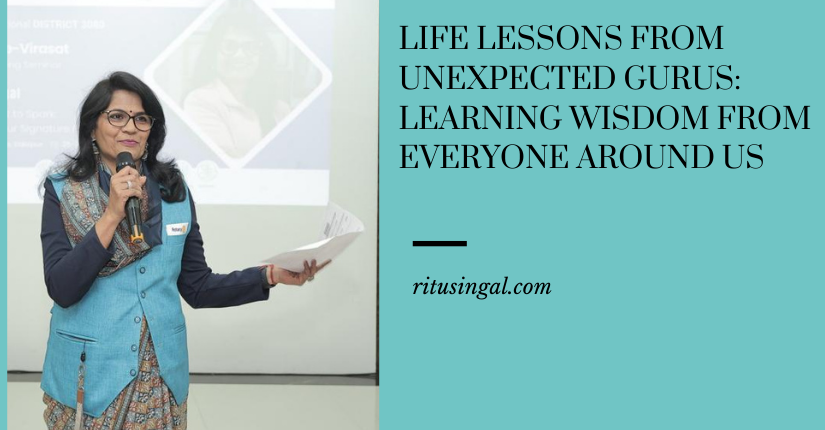
Many people search for the perfect teacher. They compare institutions, mentors, and spiritual guides. However, true wisdom does not depend on a perfect person.
A famous saying states, “There is darkness under the lamp.” Yet the lamp still gives light. Therefore, we take its light instead of rejecting it.
Similarly, every person has flaws. Nevertheless, we can still learn valuable lessons from them. Wisdom appears everywhere if we stay open to learning.
People often judge teachers based on their personal lives. However, learning does not require perfection. We simply absorb the knowledge that benefits our growth.
Therefore, the real question is simple. Are we willing to learn from the world around us?
Why We Should Learn from Everyone
Life offers countless teachers every day. Each person carries a unique experience. Consequently, every interaction can teach something valuable.
Many people believe that learning only comes from schools or institutions. However, real education often appears in unexpected moments.
For example, we learn discipline from workers. We learn patience from parents. We learn kindness from strangers.
Nature also teaches powerful lessons. Animals, situations, and even failures provide important wisdom.
Therefore, a wise person never limits learning to one source.
MUST WATCH
The Inspiring Story of a Sufi Saint
A Sufi saint once shared a powerful message about learning. Someone asked him an important question.
“Who is your Guru?”
The saint smiled and replied calmly. “I have thousands of Gurus.” His answer surprised everyone. The questioner asked him to explain. The saint then said that describing every Guru would take a lifetime. However, he decided to share two important teachers.
Interestingly, both teachers were unusual. Yet they taught him unforgettable lessons.
The saint explained that his first Guru was a thief. The listener felt shocked by this answer.
However, the saint continued his story. Once he was traveling through a forest. Unfortunately, he lost his way and needed a place to stay. While searching, he saw a man attempting to steal something. The saint approached him and explained his situation. The thief spoke honestly. “I am a thief. However, you may stay with me if you wish.”
The saint accepted the offer. Consequently, he stayed with the thief for one month. Every night the thief left for work. Before leaving, he told the saint to rest and pray. When he returned each morning, the saint asked a simple question. “Did your work succeed today?” The thief always replied calmly.
“No, nothing happened today. However, tomorrow will work. God willing, tomorrow will happen.” This continued for an entire month. Surprisingly, the thief never succeeded during that time. Yet he never lost hope. Every day he repeated the same sentence with confidence.
Finally, the saint realized something powerful. This thief had taught him persistence. Hope must never disappear. Determination must continue despite failure. Therefore, the saint considered the thief one of his greatest teachers.
The saint then shared another unusual story. His second Guru was a dog. At first, the listener could not understand this idea. However, the saint explained the lesson clearly. One day he saw a thirsty dog near a pond. The dog approached the water to drink.
However, when the dog looked down, he saw another dog in the water. Actually, it was only his reflection. The dog began barking loudly. The reflection also barked back. As a result, the dog became frightened and ran away. This happened several times. The dog returned again and again.
Each time he saw the reflection, fear stopped him. However, his thirst continued to grow. Finally, the dog made a bold decision. He jumped directly into the water. At that moment the reflection disappeared. The dog then drank water peacefully. The saint understood the lesson instantly. The dog had defeated his fear. Therefore, the dog became another Guru.
Powerful Lessons from These Unusual Teachers
Both stories reveal a deep truth about learning. First, the thief demonstrated the power of hope. Success requires persistence and patience. Failure may continue for days or even months. Nevertheless, determination keeps progress alive. Second, the dog revealed the nature of fear. Many fears exist only in our minds.
Often we see reflections of our own doubts. However, courage dissolves these illusions. Therefore, both teachers shared important life wisdom. One taught perseverance. The other taught courage.
Learning from Every Human, Animal, and Situation
The Sufi saint concluded with a beautiful message. Every person can become a teacher. Every experience carries a lesson. Therefore, wisdom surrounds us everywhere. A child may teach innocence. A worker may teach discipline. Nature may teach balance. Even mistakes become powerful instructors. However, learning requires humility. When we stay open, the world becomes a classroom. Consequently, growth never stops.
Conclusion: The World Is Full of Gurus
Many people spend years searching for the perfect Guru. However, wisdom already exists around us. We only need awareness to recognize it. Just like the lamp gives light despite darkness, every person offers valuable lessons. Therefore, learn from everyone. Learn from success and failure. Learn from people, animals, and life itself. Because in truth, the entire world can be your Guru.
Many people search for the perfect teacher. They compare institutions, mentors, and spiritual guides. However, true wisdom does not depend […]