“Management In Business Skills Is The Key Towards Organizational Vision And Goals ”
There was an organization, whose workers were facing issues related to their washroom. Once, the owner of the company came and interacted with the employees and got to know that the employee washroom needs a repair and is not good in comparison to the executive’s washroom. He instantly called the senior manager and asked how much it will take to repair the worker’s washroom. The manager said it will take around one month to do so.
The owner asked to call the carpenter the next day and the managers wondered why he was calling a carpenter for the washroom repair. The next day, when the carpenter came, the owner of the organization asked him to make a nameplate and put it on the executive’s washroom and asked the manager to change it every alternative day with the workers’ washroom.
Here the points present the problem-solving and understanding the skill of a leader who didn’t discriminate between his/her employees. Where the senior manager on the other hand was delaying the work of repair until one month.
The above-mentioned story depicts the skills of management that are required to handle and maintain a positive environment in any organization. Management in business skills is an important part in order to run an organization efficiently. These skills can be characterized as specific qualities or capacities that a manager ought to have so as to satisfy explicit undertakings in an organization.
Their duties include the ability to perform official obligations for an organization while dodging emergency circumstances and efficiently taking care of issues when they happen. The executive’s abilities can be created through learning and work experiences as a manager.
These aptitudes help the manager to relate with their related colleagues and skill to manage their subordinates, which takes into consideration the simple progression of exercises in the association. And If the management in business skills lacks then, it directly affects the efficiency and profitability of the organization as a whole.
So, In order to build strong management in business skills, a manager will require various aptitudes to assemble a decent management framework for the organization.
Tables Of Content:
- Meaning And Importance Of Management In Business Skills
- Features Of Management In A Business
- Essential Business Management Tips
Let’s Get Started…
Meaning And Importance Of Management In Business Skills
Management in business skills is the ability to plan, execute, manage, and control various activities inside an organization through human efforts. A manager is the main part of an organization who deals with major management related activities such as communication, problem-solving and decision-making, etc. He has the capacities that can assist the organization in getting increasingly profitable in its trade.
 Developing a small business into a successful enterprise needs strong management and a beneficial framework for organizational work. Many businesses fail only due to bad management systems, even after investing in huge amounts.
If the management is not able to turn their passion into useful business abilities, then the organization is really prone to face failure. Organizational goals request more challenging work, flexibility, and aptitude in a particular field. So in order to succeed, management in business skills have to be capable in a lot of principal business aptitudes.
This takes us to the next part of the blog:
Features Of Management
Management is concerned about controlling human and physical assets until the end goal of organization objectives can be accomplished. Nature of the executives can be featured as: –
Goal-Oriented: The accomplishment of any board action is examined by its accomplishment of the predetermined objectives or goal. Management here is an instrument that helps the utilization of human and physical assets to satisfy the pre-decided goals. For instance, the objective of a venture is the most extreme customer fulfilment by delivering quality products and at sensible costs. This can be accomplished by utilizing effective people and utilizing quality assets.
Incorporates Human, Physical, and Financial Resources: In an organization, individuals work with non-HR like machines. Materials, money related resources, structures, and so on. The executives coordinate human efforts with those assets.
Continuous: Management is a continuous procedure. It includes the continual resolving of issues and problems. For example, accomplishing an objective using different strategies are continues till the end. If promoting and advertising is likewise to be finished. Then other strategies must surround them again. Thus this is a continuous procedure.
Present Everywhere: Management is required in a wide range of organizations whether it is political, social, social, or business since it helps and coordinates different endeavours towards a positive reason. Along with these lines clubs, emergency clinics, ideological groups, universities, medical clinics, business firms all require management. Regardless of whether it is an independent enterprise or a small firm that might be occupied with exchanging or an enormous firm like Tata Iron and Steel, management is required wherever regardless of size or kind of action.
Group Activity: Management is a lot less worried about a person’s efforts. It is increasingly worried about gatherings. It includes the utilization of collective efforts to accomplish the predetermined objective of the executives. But the question arises, what if management in business skills is missing and they are facing organizational failures continuously then what should they do.
Here, in this blog, you will find all the answers…
So, keep reading…
Some Essential Business Management Tips
In order to run an organization efficiently, there are some major skills and business management tips that management or manager requires. The below-mentioned skills and tips enable a manager properly to deal with various organizational activities and employee handling.
Excited to know?
Inspiration
Managers who can inspire and excite their workers can take genuine advantages for their organization from them. This sort of association builds profitability and worker fulfilment, yet it sets a genuine model too. The best managers have a sharp eye for territories that could be improved and realize how to move toward these issues carefully so workers feel inspired and motivated to roll out beneficial improvements, as opposed to disheartened by their inadequacies.
Money Management

Having the option to successfully deal with your funds is basic. A manager should have the knowledge to figure out income and deals, In simple words, screen your benefit, and misfortune. Having reliable money-related management aptitudes will assist you with running your business productively and secure your monetary activities.
Promoting, deals and client support
It is important to have the option to advance your items or management adequately. Giving great client support and having a promoting technique set up will assist you with generating deals.
Problem Solving
The correct range of abilities enables managers to distinguish, face, and resolve different issues that may occur in the working environment. Top supervisors can spot developing issues before they’re obvious to everybody in the organization and distinguish the base of the difficulty. Diagnostic aptitudes are additionally important in managers. You should realize what information is generally related to your industry, how to accumulate it, and what the subsequent numbers mean.
Time Management
Time management is a trick numerous entrepreneurs fail into for the most part since they are hesitant to surrender control. Dealing with your time viably may mean assigning the duty to another person in the business or re-appropriating. It will not only help in managing and completing work in time but will also help in accomplishing organizational goals in time.
Read here>> 15 Conscious Time Management Techniques
Executives And Arranging
Beginning a business implies you should deal with a scope of tasks, for example, setting up a site, masterminding the fit-out of your premises, and building up a scope of approaches and techniques. Realizing how to adequately deal with your assets, including time, cash and staff will assist you with achieving your objectives.
So if you are dealing with any kind of management issues and dealing with workplace conflicts due to bad administration, or dealing with such kinds of issues and facing problems while being the same kind of leader who understands the employee problems and solves them immediately like the above-mention story then you must-must apply these tips.
Building a strong employee-employer relationship and management administration in an organization is key to achieving all the desired goals.
If you find the blog informational and helpful, let us know your thoughts below…

Almost all marriages are imperfect, go through their own crests and troughs and face challenges. But the key to a lasting, healthy relationship is your ability to meet these challenges successfully. If you turn your back on your relationship in the face of marital problems, it falls into despair quickly. On the contrary, taking them head on helps your relationship become healthier and more resilient.
I, being a life coach, routinely handle several marriage counselling cases. My conclusion is that we need to work on every relationship, including marriage, to make them tick. Another thing I have discovered is that most couples wait too much before seeking professional help. By then, the damage has already been done and in fact, some have already decided to part ways and they are just seeking a stamp of approval.
Getting married is stressful in its own right but maintaining a marriage can be more difficult. Raising children, struggling with finances, working long hours, personal struggles and navigating the ups and down can exact a toll on any relationship. No wonder, in many developed nations like America, more than 70% marriages (including re-marriages) end in divorce. While some marriages just weren’t meant to be, some couples just grow apart or realize their mutual incompatibility.
The Roots
Myriad problems related to communication, infidelity, incompatibility, sex, health, money and anger management can create major marital issues. To manage these conflicts and stresses, couples sometimes turn to marriage counseling to help heal their relationship.
Just imagine- your spouse returns from work, takes hold of a wine bottle and gulps down silently. You haven’t had a real conversation for weeks except a few arguments over money or domestic stuff, sure, but no heart-to-heart talk. Intimacy? What’s that? Your spousal relationship is on the rocks, but you aren’t sure about fixing it.

Well, it may be time you went in for marriage counseling to rebuild your relationship or decide that you’ll be better off without it. Either way, marriage counseling can help you understand your relationship better and make well-considered, informed decisions.
What is marriage counseling?
Marriage counseling, a.k.a. couple therapy, helps couples resolve marital conflicts to improve their relationship. Counselling for husband and wife can give couples the tools to communicate better, negotiate differences, solve problems and argue in a healthier manner.
It’s important to remember that thinking about marriage counselling isn’t a sign that your relationship is doomed. Instead, it indicates a willingness to improve your marriage, strengthen communication, and grow closer to your partner.
Marriage counselling may continue for months with many sittings spread over weeks, particularly if your relationship has greatly deteriorated.
For whom?
Marriage counselling carries an old stigma that only couples who are about to divorce seek marriage counseling. But the fact is – all marriages face struggles and most couples can benefit from it. Marriage counselling is for all couples, those having less traditional relationships (long distance, open marriages). You can go to marriage counseling whether you have just begun or have been married for 40 years.
Like other relationships, most marriages aren’t perfect. In a marriage, each person brings their unique ideas, values, opinions and personal history, which don’t always match their partners’. These differences don’t always imply your relationship is doomed. Differences are, by definition, there in a democracy, a relationship of equals. It’s only in a superior-subordinate relationship that you don’t have them. Contrarily, differences can be complementary and help people understand, respect and accept opposing views and cultures.
But relationships can be put to so many tests on so many occasions and stages in life. The differences/habits that you once found endearing may weigh on your nerves after some time spent together. Sometimes extramarital affairs or loss of sexual spark may trigger problems in a marital relations. At others, the gradual disintegration of communication and caring may undo a marital bond.
Regardless of the triggers, a distressed relationship can create undue stress, tension, sadness and other problems. You may hope for your relationship troubles to vanish automatically. But unfortunately, if left to fester, a bad relationship only worsens and cause physical/psychological problems like depression. A bad relationship can also create job-related issues and affect family members/ friends.
Some typical issues which bring couples to a marriage counsellor are:
Lack of compatibility
Trust issues/ Infidelity
Substance abuse
Physical / mental conditions
Cultural clashes
Finances
Unemployment
Blended families
Communication problems
Sexual problems
Physical/ emotional abuse
Differences over parenting
Infertility
Anger management
Changing roles, like retirement
Is it for me?
Of course, counselling for husband and wife isn’t only for troubled relationships. Marriage counselling can equally well help couples wanting to improve their relationship and better understand each other. Another dimension of marriage counseling, which is gaining ground is pre marriage counselling. Pre marriage counselling is becoming quite popular in big Indian cities and the world over as would-be couples realize its importance and seek counselling to know their would-be spouses better. Pre marriage counseling can help them understand each other better before a union is sealed. It can help them know the spousal personality much better and the potential issues that can crop up later and evolve suitable remedial mechanisms.
Communication is the key to solving most marriage problems and marriage counselling is the way to improve communication skills, achieve mutual understanding and move forward as a couple or end a marriage amicably.
How?
Counselling for husband and wife typically requires couples to come together for joint therapy. The counsellor helps a couple understand the sources of marital conflict and resolve them. Both the partners analyze the good and bad parts of their relationship.
Those running marriage counselling services believe that marriage counselling can help the partners learn adjustment skills to solidify their relationship – communicating openly, problem-solving together and discussing differences together rationally. In some cases like mental illness or substance abuse, the marriage counsellor may have to work with other health professionals to design the treatment.
However, talking about your problems with a marriage counselor may not be easy as some sessions may just pass in silence with the partners seething over the perceived wrongs done to them. Partners may bring fights with them, yell and argue. It’s OK. The counselllor can act as a mediator to help the couple cope with the emotions.
You may find your marital relationship improving after a few sessions or you may find that your differences truly are irreconcilable and that it’s best to end your relationship.
Going Solo
What if a partner declines to attend marriage counselling? Well, in that case, you can go all by yourself. It may be more challenging to patch up a relationship with only one partner willing to go to therapy. But you can still benefit somewhat by learning more about your reactions and behavior.
Signs to Look out for
Ask yourself:
- Do you and your partner conflict over religious faith?
- Do you often criticize each another?
- Do you find a lot of defensiveness in your marriage?
- Do you tend to withdraw from each another quite often?
- Do you have feelings of contempt, anger, or resentment for each other?
F, Do you feel indifference towards your partner?
- Do you feel both of you have nothing in common?
- Do you feel you are growing apart from your partner?
- Is there infidelity, addiction, or abuse?
If your answer to many of these questions is yes, you may be at a higher risk of dissatisfaction and divorce. You need to work much harder to keep your relationship healthy and happy.
Major Marital Issues

Communicate, Communicate, Communicate
The biggest predictor of marriage problems is poor communication that belies the damaging dynamics in a marriage. Remember, regular, effective communication is the secret to a lasting marriage. Many marriages fail because the partners drift apart as the stress of their daily lives exacts a toll on their marriage, their communication stops and instead of resolving their issues, the partners end their marriage. The fact is: communication in a marriage is more important than love and those who know it know how to preserve it.
The providers of marriage counselling services recognize well that some couples keep the communication channels open in a perverted way i.e. yelling, howling, mud-slinging, blaming, which is extremely damaging. In fact, it is a reliable precursor to an ultimate divorce. It is possible to predict with certainty which newlywed couples would later divorce, based on a study of their communication. So for a happy marriage, keep the lines of positive, healthy communication open. Have an open chat about your issues to resolve them together. If you sweep it under the carpet, it will only worsen.
Solution:
- Experts suggest some rules. Try not to interrupt until a partner is through with speaking and ban phrases like “You always …” or “You never ….”
- Use body language to show you’re listening. Also, do not communicate while doodling, picking at your nails, checking your mobile, or flipping through the newspaper.
- Nod frequently to show you’re getting the message and rephrase your message, if needed. For instance, say, “What I get is that you feel as if you have more chores at home, though we’re both working.” If you’re right, the other one can confirm it.
Read: What Matters Most When You Want to Save a Marriage?
2. Trust
Trust deficit has killed many relationships as trust is a key part of a relationship. Do you see certain things in your partner that make you not trust them? Do you have unresolved issues that keep you from trusting others? If yes, it may be time you resolved them. You can foster trust with the following these tips:
- Be consistent in your dealings.
- Be on time for everything.
- Do what you say you’ll do.
- Don’t tell a lie — not even little white lies to your partner/others.
- Be fair, even while arguing.
Money
The stress of fighting over money a common marital problem. But in general, the couples’ money disputes symbolize something else i.e. a struggle for power and control, different values and needs or other issues.
However, during tough times, financial stress can create more stress and conflict over monetary issues and arguments. For example, an extremely money-stressed partner may be less patient and may pick fights about unrelated things.
Money problems can begin even before a marriage. They may stem from courtship expenses or high wedding costs. Couples facing money woes need to have a serious conversation about finances.
Solution
- Follow Savings first, Expenses next.
- Be honest about your current finances. If the situation has worsened beyond a point, keeping up the same lifestyle is unrealistic.
- Don’t talk about it in the heat of a verbal battle. Set aside a convenient time for it.
- Often, one spouse is a spendthrift while the other one is a saver – an explosive combo. Accept that there are benefits to both styles, and agree to learn from each other.
- Don’t hide income/debt. Keep financial documents, including recent credit report, pay slip, bank statements, insurance policies, debts, and investments open to both the parties.
- Don’t indulge in a blame game.
- Make a joint budget that incorporates savings.
- Decide on who will pay monthly bills.
- Allow each one some money for discretionary spending.
- Agree on financial goals. Besides individual goals, you should have family goals, too.
- Talk about caring for your parents and planning for their needs.
Not Tonight
While busy schedules don’t automatically create marital problems, they do present a challenge. Busy couples are often stressed out, especially if they don’t have quality sleep and nutrition. Such couples feel less connected as they have less time together and more separateness in their lives. They may not work together and may fight over who will shoulder which responsibilities.
Solution:
- Talk about it and accept the real problem requiring a solution.
- Accommodate each other with their unique circumstances and needs.
- Plan special events together: movies, games, plays, picnics.
- Leave behind phones and take out “we” time every three months and go to a resort to reignite the spark.
Sex
Sexual mismatch (sexual interest or disinterest, frequency and the importance given to it)) can create many other relationship problems. And a lack of sexual self-awareness can worsen them. But sex brings you closer together, releases bodily hormones to help make a healthy couple.
Solution:
- (Plan)3 and (talk) 3.
- Ask friends/family to take your kids every week/fortnight for a sleepover.
- Change the scene and the timing to make it more fun. Learn what turns you and your partner on.
- If your sexual problems can’t be resolved, consult a qualified sex therapist to help resolve them.
Home Chores
Many partners work outside the home, bringing more work, tiredness and stress. So it’s important to divide the household chores in fairly.
Solution
- Be organized and clear about your respective jobs at home. List down all the tasks and agree on who will do what. Be fair to avoid any resentment.
- Find other solutions. If you both hate household work, consider outsourcing it but if one of you likes to clean and mop, the other one can do the dishes.
Ignoring it
Marriages don’t end with the “I do” at the time of tying the knot. Most relationships lose their luster over time. Make yours a priority to keep the spark intact.
Solution:
- Do things you did while dating – appreciate and compliment each other.
- Schedule “we time” as you would any other important event.
- Respect and say “thank you,” “I appreciate…” to let your partner know that they matter.
Conflict
Occasional conflicts are marital life. But if the same lousy situations keep repeating, it’s time to break this toxic routine. You can reduce your anger and look calmly at the underlying issues.
Solution
- Argue in a civil manner.
- You are not a victim of anything as it’s your choice to react and how.
- Ask yourself – While arguing, are your comments resolving the conflict or are you settling the scores? If your comments hurt, change the strategy.
- If you keep responding in the same, painful ways, you can’t expect a different result this time. Make a little shift. If you usually jump in to defend yourself before your partner finishes speaking, wait a little. It can change the whole tone of an argument.
- Yield a little to get a lot. Apologize when wrong. It’s tough, but just try and watch out for something wonderful.
- You can’t control anyone else’s behavior as the only one in your charge is just you. Change that YOU.
Bad Habits
Some marital problems could be solved if the two identify their bad habits and change them. People hardly ever make a conscious decision to argue over petty things, and be critical of others, or leave their personal mess. They get busy or distracted and build stress inside.
Not expressing constructively
While arguing, it’s easy to let emotions overpower you with their intensity. You could say hurtful things that would worsen the problem. Avoid this route.
While discussing marital problems, be a constructive problem-solver. It is important to stay on the topic and not bring up previous issues. It’s no use talking of the coffee spilt by your husband in the mornings if the issue in hand is why he gets home late.
Not working together
While resolving marital conflicts, approach them together and decide on the best solution as a couple. One spouse cannot decide for both of you. With collective decision-making, you factor in your partner’s feelings. Have an open, receptive mind and encourage your spouse to voice opinions for inclusive decision-making in all important matters.
However, if things begin to heat up in an argument, try to keep things light and controlled.
Not acknowledging other’s feelings
Opening up about your feelings and having those feelings shut down makes you feel undervalued. Of course, you wouldn’t want your spouse to feel that way. So if you are trying to resolve a marital conflict, encourage one another and give the other one a chance to express their feelings. Even if you don’t agree, put yourself in their shoes to know why they feel that way. And look at the ways to address them; that’s what couples in healthy marriages do.
Kids issues
Children’s upbringing can be a potential source of stress. Kids are a wonderful gift of marriage and bring more meaning to our lives, but they can also cause additional stress as raising them warrants more responsibility and a role change, providing more fodder for disagreement. Having children also reduces the “we time”, a combination which can test even the strongest bond.
Read: Your Guide to Stress-Free Parenting
Day to day stress

Day to day stressors can worsen the previous problems. A stressed out partner is impatient after getting back home, handles conflict less effectively and has less emotional energy to devote to nurturing the relationship. And with both partners having had a difficult day, it is only exacerbated.
This daily stress can test patience and optimism, leaving couples with little to give each other emotionally.
Changing role of women
Women are getting more and more educated and are no longer mere homemakers. They are financially, socially, physically, and mentally independent, which runs contrary to the mentality of women being considered only as nurturers.
Besides, many males are raised to expect wives earning lesser than them. But with reality hitting hard, there are ego clashes, which few can handle. They cause marital dissatisfaction. Modern women are not reluctant to walk out of a marriage that isn’t working.
Solution
- Be more egalitarian and accommodating of your wife’s aspirations and feelings. She is your equal and nothing should compromise this status.
- There is nothing like mine or yours. Be proud that she earns more as her success is yours, too. Celebrate her achievements.
Relations with in-laws
Nearly 2/3rd of married couples stay with the husband’s parents, which can be the root cause of many problems, the most common cause being the relations between the mother in law and the daughter in law. With worsening relationships, many marriages come to the brink.
Solution
Try living separately from your in-laws to minimize such possibilities.
Feelings of “competition”
It’s quite common to feel the need to ‘win’ an argument as it feeds the ego and makes us feel good that we proved our spouse wrong.
Never try to resolve your marital problems with this attitude as you may win an argument, but you will lose the relationship and that’s too heavy a cost. It isn’t about winning or losing. Rather, focus on the issues so you can be happy and healthy.
The gridlock
A common hurdle is when both of you don’t see eye to eye over marital issues e.g. one spouse is willing to discuss, the other one isn’t interested.
In case of an impasse, take a break and give some time to put things in perspective.

Notwithstanding the clichéd truth of this line, the idea of delayed justice being justice denied has assumed an alarming reality in the post-COVID phase (mercifully, we can call it that) in India. After battling the havoc wrought by the unrelenting second corona wave and watching helplessly our loved ones gasping for those few puffs of life-giving oxygen and the luxury of hospital beds in an almost-comatose health system, the nation and its people were slowly trying to come to terms with the new realities of a thoroughly changed society and economy. So now, “online” is the old normal, work from home is almost passé, Zoom meetings are an old hat – we’ve been through these and much more. The economy is slowly limping back to normal, the engines of auto companies are revving up again, international travel is back and software companies are rustling up new hiring plans. In short, we are getting back to our old, familiar selves but for our judiciary.
When the COVID-19 pandemic upended the world in a few jittery weeks, it also sent kaput the already-crumbling-under-pressure legal system in India. With the courts fully or partially closed (online hearings only) and the proceedings halted, the process of justice delivery came to a standstill. Well, the closure of the courts nationwide was fully justified as keeping them open would have amounted to exposing the honourable judges and their staff, the litigants and others to grave health risks. But now when all sectors of the economy –industries, businesses, travel, government offices, schools, colleges – all are fully open – it baffles one’s mind as to why the judiciary should be an exception.
Virtual Courts
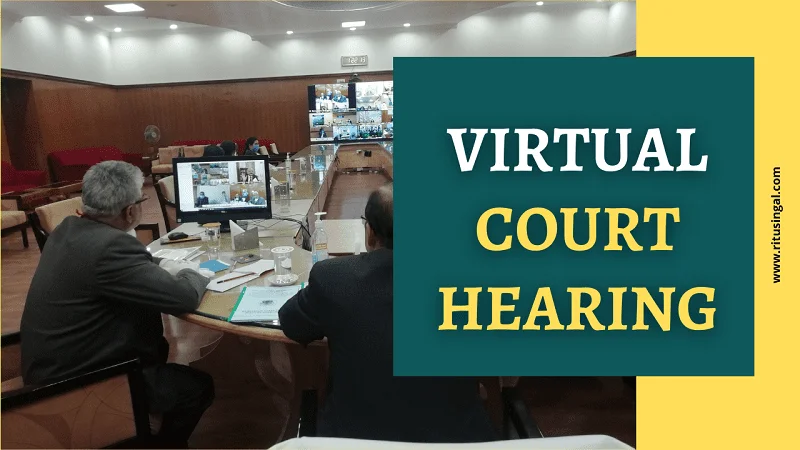
As a result of these strict measures, virtual hearings had become more and more common. Normally, virtual proceedings in the pre-COVID-19 crisis era were conducted generally in criminal cases where the accused could not be produced physically due to security reasons. However, after the implementation of strict COVID-19 protocols, the courts began hearing even normal cases (though their numbers were also restricted by the courts) through the video-conferencing mode. But the situation should have taken a turn for the better now that almost everything is back to normal
Post COVID-19 pandemic, the case pendencies at all levels of the judiciary have increased significantly, reaching an all-time high during the one year of virtual functioning. The case backlog in district courts saw a sharp increase of 18.2% from 2019 to 2020 while in the 25 high courts, it rose by 20.4 % in the same period. Similarly, the Supreme Court saw pendencies rise by 10.35 %, the highest since 2013. The unfilled vacancies of judges and the restricted functioning of courts have further added to the overall judicial mess.
Having been there and seen it all from close quarters, I can say with confidence that our courts, even now, have in place extremely strong protective measures to safeguard the honourable judges from the ravages of contracting COVID-19. Be it putting up plastic sheets between the litigants and the presiding judges or maintaining the recommended distance of a few feet or regular sanitization of the court premises – all preemptive measures are there. The only ones who are not seen there are the honourable judges, the dispensers of justice, who have kept crores of our hapless litigants in an evasive, never-ending wait for justice. With the usual summer break (which is a colonial hangover and lacks any rationale as the judges are Indians and are quite used to living here only) kicking in, we have the spectre of our honorable judges moving turn by turn to cooler climes thanks to the LTC facilities they enjoy.
Let me add for emphasis here that none should have any issue with any government functionary availing of what is their due. But then, the judiciary isn’t any other government department or agency. It is one of the three pillars of a vibrant democracy and enjoys a privileged position in terms of the respect it enjoys among people, especially so far its public reputation is concerned, unlike the Legislature and the Executive. It is in a class of its own, invested as it is with the lofty duties of safeguarding the Constitution and the statutes to deliver equitable justice and therefore, lubricate the working of a real democracy.
Just think of a legal system, already burdened with 4 crore pendencies, trying to somehow wriggle out of such an avalanche of cases (by innovations like Alternative Dispute Resolution mechanisms, Lok Adalats, Family Courts, Mediation Centres etc.) and those who would be most greatly impacted by this lack of access to timely justice – the couples wanting to escape out of irreconcilable marriages, the families wanting to resolve their disputes, the victims trying to escape abusers, the under-trials and prisoners languishing in overcrowded prisons, and the new corporates struggling to open their doors.
Read: Top corporate counselling tips for workplace success
Without full access to the courts, we all risk the loss of liberty, property, and much more as where citizens lack a full access to the agencies of justice, we are left with a weakened and imbalanced justice system. And it’s not only about individuals as the wheels of justice grind too slow in India so much so that many foreign companies shy away from investing in India for this simple reason – a slow judiciary and slower justice (delays in opening and shutting companies, resolving labour disputes etc.). So, why China attracts so many foreign companies is no rocket science- its swift judicial system is a prime mover. And for those, who are still wondering how it impacts our public life, consider this- China reports many more corruption cases annually than India does but the Chinese judicial system is so very swift that it routinely carries out many more executions annually in corruption cases than India has done in the past 75 years of independence! Of course, I am not a votary of capital punishment at all; it’s just an example to support my case.
It’s high time that apart from thinking of ways to expedite the delivery of justice by opening more courts, having alternative dispute resolution mechanisms, filling up vacancies and having double working shifts, the Judicial Reforms Commissions also looked at increasing the number of days the courts sit for hearings to maximize the number of hearings.
And, of course, none else (except PGI and AIIMS doctors and school children) in India is allowed an officially sanctioned summer break!
Physical health adds years to life but mental health adds life to those years.
The tremendous advances in medical science apart, the idea of mental health as part of holistic well-being still doesn’t evoke the interest it deserves, at least in the developing world. To some extent, this indifference is understandable given that a majority of such countries are still struggling with the more mundane issues of poverty, hunger, unemployment and basic medical facilities. Given this situation, any talk of mental health is, quite expectedly, greeted with derision, at worst and indifference, at best. The revolution in mental health care in terms of its open acceptance and de-stigmatization will require a concerted effort by governments across the world, awareness campaigns and improved economic well-being.
Managing mental health during COVID-19 has become even a bigger challenge given the severe restrictions on economic and social activities globally. For professionals managing mental health during COVID-19, there has been a record rise in the number of mentally sick people. I, being a life coach, get to talk to many people having such problems. Such problems contribute to the issues which people bring to a life coach. The life coach needs to work with the client on such issues to realize the most from the consultation process.
And from my experience, I can tell you that we need to get a strong handle on “mental health” first before we proceed. Contrary to common perception, mental health is NOT just “the absence of mental disorders or disabilities.” Rather, it is a positive state of well-being in which an individual realizes his/her abilities, can cope with normal stresses, works productively, and makes a contribution to the community. In other words, it refers to the overall cognitive, behavioral, and emotional well-being of an individual.
Benefits of Good Mental Health
Better Coping
With good mental health, challenges are easier to overcome. Whereas some people take to alcohol/drugs, withdrawal or fighting as coping mechanisms to manage relationship disputes, financial worries, workplace challenges and other issues, a mentally healthy person tends to adopt healthier solution-oriented coping mechanisms.
Enhanced Quality of Life

With mental well-being comes better quality of life, thereby making room for greater participation in community building e.g. volunteering, taking up local causes, fundraising etc. One is also more likely to pick up new hobbies, make new acquaintances, and travel more.
Positive Self-Image
Mental health is strongly linked to self-perception as it plays a big part in building self-esteem. Self-confidence is very often a good indicator of a healthy mind. A mentally healthy person is more likely to focus on the good in themselves and hone it and is fired by the ambitions of a healthy, happy life.
Healthier Relationships
With good mental health, you are more capable of having quality time, affection and support with your friends and family. Besides, with there being no emotional distress, it is easier to support the people you care for, when they need it. One cannot expect an unhealthy person to support another unhealthy person!
Higher Productivity
Depression or other such disorders affect productivity negatively. A mentally strong person is more likely to work more efficiently and produce good quality work.
Factors in Mental Health
Given this background, it is obvious that mental health affects all aspects of daily living, relationships and overall health. Conditions like stress, depression, and anxiety can all affect mental health, thereby disrupting a person’s routine. Besides, many psychological disorders are rooted in biological factors as discussed below.
Across the world, mental disorders are a leading cause of physical and mental distress, bad relationships, poor productivity, absenteeism, reduced performance and suicides. Unfortunately, as of now, we do not know much about the exact causes of many such disorders. But ongoing medical research has made it amply clear that most of them result from a combination of biological, psychological, and environmental factors. Social and financial circumstances, biological factors, and lifestyle choices can all shape a person’s mental health. Good mental health depends on a delicate balance of various factors and elements of life and the world at large that work together to contribute to such disorders.
- Biological Factors
Some common mental illnesses like depression, schizophrenia and bipolar disorder are linked to abnormal functioning of neural circuits in the brain. These circuits interact with each other through a give-and-take of neurotransmitters (serotonin, dopamine etc.). Therefore, a popular approach to the treatment of such diseases is tweaking these chemicals through medicines or psychotherapy to help the brain circuits work more efficiently. Besides, some defects/injuries to certain brain areas are also linked to some mental conditions like memory loss, loss of speech etc..
2. Genes
Many mental illnesses often run in families as they are rooted in genes. Mental illnesses are linked to many genes working together rather than one of them or a few. How they interact with the environment is unique in case of every person. That’s why developing targeted drugs for such diseases often becomes a big challenge for researchers. The revolution in mental health care would necessitate more of such genome sequencing so that medical researchers can develop more targeted drugs to treat many such disorders.
That also explains why some people inherit a tendency for a mental illness but don’t necessarily develop it as the illness occurs due to multiple genes interacting among themselves and other triggering factors like stress, abuse, or trauma. It’s quite similar to the way diabetes develops i.e. one may be born with the genes for it, but whether one actually develops diabetes is also a function of environmental factors like weight, exercise, nutrition, stress etc.
3. Infections
Some kinds of infections are often linked to brain damage and mental illnesses or the deterioration of their symptoms. For instance, the pediatric autoimmune neuropsychiatric disorder (PANDAS) attributed to Streptococcus bacteria causes an obsessive-compulsive disorder among children.
4. Brain defects/injuries
Certain defects/ injuries in certain brain regions can cause some mental illnesses e.g. damage to the hippocampus, which results in amnesia.
5. Pre-natal damage
Birth traumas like the shortage of oxygen can disrupt and arrest early fetal brain development, which may, in turn, trigger certain conditions like autism.
6. Substance abuse
Long-term substance abuse is linked to problems like anxiety, depression, and paranoia.
7. Other factors
Stress, depression, and anxiety may develop due to health problems like cancer, diabetes, and chronic pain. Poor nutrition and exposure to toxins like mercury (Minamata disease) and lead (poor intellectual functioning) in early age may lead to mental illnesses.
- Psychological Factors
- Exposure to emotional, physical, or sexual abuse in childhood
- Loss of a parent/ primary care-giver
- Prolonged emotional neglect
- Poor ability to relate to others
- Environmental Factors
- Death of a loved one or parents’ divorce/ separation
- Broken families, dysfunctional family life
- Feelings of inadequacy, poor self-esteem, anxiety, anger, or loneliness
- Change of job/ school
- Social or cultural expectations e.g. associating beauty with a lean body can be a factor in triggering eating disorders like bulimia, anorexia nervosa etc.
- Alcohol/ drug abuse by self/ parents
Common Symptoms of Mental Disorders

The absence of a physical test or a scan, which can reliably detect a mental illness, make she task of identifying mental illnesses difficult. However, some common symptoms that we can look for as possible signs of a mental disorder:
- Social withdrawal from family, friends and colleagues 2. Avoiding favourite activities
- Oversleeping/ under-sleeping 4. Over/under- eating
- Feelings of hopelessness 6. Low energy level
- Using alcohol, nicotine 8. Having negative emotions
- Problems with daily tasks 10. Self-harming tendencies
- Having delusions
- Unexplained confusion, anger, guilt or worry
- Mood swings
- Picking fights with family, friends
- “Hearing” voices with no identifiable source
- Inability to perform daily tasks with ease
Common Mental Disorders
The most common types of mental illnesses are:
- Anxiety-related disorders
- Mood-related disorders
- Schizophrenia and related disorders
Anxiety disorders
Anxiety disorders are the most common mental illnesses. Anxiety-related disorders refer to disproportionate worry which disrupts everyday living. Patients with anxiety experience fear or anxiety in the presence of certain objects or situations. Such people tend to avoid exposure to situations, which trigger anxiety.
Common examples
Generalized Anxiety Disorder (GAD)
Generalized Anxiety Disorder (GAD) patients may experience excessive anxiety in everyday situations like doing routine chores or meeting someone. Such patients can also experience physical symptoms like restlessness, fatigue, tense muscles and sleep disruptions.
Panic disorders
Patients with a panic disorder have regular panic attacks involving a feeling of sudden terror or an imminent disaster and death.
Phobias
Simple phobias
An irrational, excessive fear of certain objects, scenarios, or animals e.g. a fear of spiders or heights.
Social phobia
A k a social anxiety, it is the fear of being subject to the others’ judgment. Such people tend to reduce their social exposure.
Agoraphobia
A fear of open places like a marketplace.
Obsessive-compulsive disorder (OCD)
People with OCD suffer from obsessions and compulsions i.e. persistent, stressful thoughts and an urge to perform repetitive acts like hand washing or locking a door repeatedly, bathing again and again.
Post-Traumatic Stress Disorder (PTSD)
A PTSD is a result of someone experiencing a very stressful or traumatic event earthquake, war, ethnic conflict, acts of terrorism etc..
Mood Disorders
A k a affective disorders or depressive disorders. Patients have significant mood changes, generally involving either mania – high energy and elation, or depression. Examples of mood disorders are:
Major Depression
Consistently low mood and loss of interest in favourite activities and prolonged sadness.
Bipolar Disorder
Bipolar patients experience unusual changes in mood, energy and activity level. The ‘highs’ bring a manic phase, while depressive periods bring a low mood.
Seasonal Affective Disorder (SAD)
Reduced daylight triggers it during the fall, winter, and early spring months. It’s quite common in countries located far away from the equator.
Schizophrenia and related disorders
Mental health Professionals are still not sure of whether schizophrenia is a single disorder or a group of them. Typically, schizophrenia appears between 16 and 30 years, with the affected person exhibiting thought disruptions. The individual experiences a fragmentation of thoughts, with there being no filter to check it and finds it hard to process information.
Schizophrenia is usually marked by delusions, thought disruptions, and hallucinations, social withdrawal, lack of motivation and a flat (indifferent) mood.
Treatment
In general, various methods are available for managing mental health problems. Of course, the treatment plan is tailored to each individual and what works for one person may not work for another one. Most often, a combination of strategies is most successful in terms of results.
Different Types of Mental Health Treatment
Psychotherapy
A k a talk therapy. It takes a psychological approach to treating mental illnesses. Some examples can be cognitive behavioral therapy, exposure therapy, and dialectical behavior therapy. Typically, psychologists and psychotherapists employ psychotherapy to relieve the symptoms of patients suffering from mental disorders. Psychotherapy is based on the idea of helping people understand the root cause of their problems and enabling them to develop healthy thought patterns. People with anxiety or depression benefit from mind skill training and relaxation techniques like deep breathing, meditation, and mindfulness.
Medication
One of the factors behind the revolution in mental health care is the use of medicines.
In many cases, a psychiatrist may prescribe medications like tranquilizers, antidepressants, antipsychotics and other drugs to relive the symptoms of such illnesses. Although the medicines cannot cure mental disorders, they can relieve their symptoms and help the patients function effectively in routine life.
Some of them work by boosting the body’s absorption of happy hormones like serotonin from the brain. Others boost the overall levels of these chemicals or prevent their degradation or destruction.
Self-help
A significant part of the overall healing process is the willingness and readiness of the affected person as they usually need change their lifestyles to facilitate wellness. Such changes may involve
Risk Factors in Poor Mental Health
Mental health is an important part of overall well-being. It determines how effectively you can operate psychologically, emotionally, and socially to lead a productive and happy life, which allows for meaningful contributions to society.
One just needs to look at the millions of broken families, poor productivity, lost man-hours, absenteeism, personal distress, rising divorces and suicides to gauge how much havoc bad mental health can wreak on anyone. Thus, in view of the role it plays in all aspects of your life, it’s important to improve psychological wellness with appropriate measures.
However, different circumstances may come to affect our ability to handle the curveballs life throws at us. Some of them are
Childhood Abuse
A child facing physical assault, sexual violence, emotional abuse or neglect during its early years can develop severe mental and emotional distress later. In fact, loving relationships and good mental health in early years are the backbones of a happy, well-adjusted personality. Such abuse accentuates the risk of developing depression, anxiety, post-traumatic stress disorder and personality disorders. Abused children may eventually develop problems of substance abuse, besides other diseases.
The Environment
A person’s usual environment contributes to mental well-being as adverse circumstances can impact psychological wellness negatively. For instance, experiencing extreme weather conditions or air pollution or natural disasters firsthand can increase the likelihood of developing PTSD.
Biology
One’s biological makeup could affect their well-being as discussed earlier. Many such disorders run in families and may be transmitted to the next generation e.g. autism, attention deficit hyperactivity disorder (ADHD), bipolar disorder, depression, and schizophrenia.
Lifestyle
One’s lifestyle also impacts mental health e.g. smoking, poor diet, alcoholism and substance use, and risky sexual behavior may cause psychological damage by giving rise to or worsening depression.
Looking after Mental Health
It’s important to maintain your mental health to get the most out of life. The Top Ten Tips given below won’t cost you much money or time.
- Accept yourself
Self-acceptance is the key to good mental health. You can become someone else. Remember, none is perfect and trying to improve oneself in some aspect or the other is a sensible thing to do. But alongside, learn to love yourself, with warts and all. If you can’t love yourself, none else can!
- Talk
Talking about your own feelings with friends and family can help you stay in good mental health and deal with troubled times. You may not always get a solution this way but in many cases, just talking about your problem make you feel immensely better.
- Eat, sleep well
The brain needs many diverse nutrients to keep healthy and work just the way other organs do. Taking a nutritious, balanced diet is good for your physical and mental health. Likewise, have enough, quality sleep to maintain your mental health.
- Get going
Exercising regularly boosts your self-esteem and helps you concentrate, sleep, and feel better by releasing feel-good chemicals. It keeps your brain and other vital organs in good shape and also improves your mental health.
- Drink sensibly
Having a drink to change one’s mood or deal with a fear or loneliness is common but its effects are temporary. As its effects wear off, you feel worse due to the way alcohol works on your brain and the rest of the body. Look for better ways to deal with such feelings and develop more effective coping strategies.
- Keep in touch
Nothing to beat catching up with someone face to face, but that may not be always possible. So, give a call, drop a note, or chat online instead to keep the lines of communication open. It’s good for your mental health!
- Ask
You aren’t a superhuman. Nor is anyone else. It’s okay to feel tired or overwhelmed sometimes when things don’t work as per plan or expectations. Ask for help from your family or friends, who may be able to offer practical help or a patient listening. Having a support network in the family and close friends can greatly accelerate the recovery from a mental illness.
- Take a break
Take time off work. Changing the scene or place can work wonders for your mental health. It may be a 5-minute pause from your routine chores, a 30-minute lunch break in the office or a weekend getaway. But it can also be a longer break i.e. a vacation. In most cases, this ‘me time’ is enough to de-stress you.
- Enjoy hobbies
Do what you love to do. Enjoy yourself to beat stress. Do something you’re good at e.g. music, painting, cooking, stitching, carpentry etc. to boost your self-esteem.
- Re-calibrate
Re-calibrate your thought processes to make them more realistic and work on personal relationships contributing to bad mental health.

Personality is the sum of the behavioural traits that make a person unique and distinctly recognizable. The term personality has acquired great popularity in the current social discourse. Though very few really understand its true import, personality is that slightly unfathomable trait which we look for in every person we meet- the people we interact with, the colleagues we work with, the friends we make, the teachers who teach us, the prospective employees an employer looks for and the prospective life partner we desire. But the billion dollar question remains as to what personality and how we can go about improving it.
Before delving into it in depth, let’s try to understand: Personality is NOT a well-dressed, charming person, though being so can certainly help. On the other hand, it means the typical manner in which we perceive the world, think about it and act – all these things make us a unique personality unlike others.
Moving Beyond Externals
The concept of personality travels way beyond superficialities. When we call someone a good personality, we are essentially conveying the idea that they are interesting and pleasant people to talk to or work with. And since we all would love to look appealing and pleasing, therefore, to this end, having an impressive personality is vital, much more so than having simply good looks. Of course, we will have to figure out how to develop it further.
Since personality is the sum of one’s qualities, quirks, characteristics, beliefs, attitudes and psychological traits, developing it involves enhancement in all areas of life. Personality is shaped by a clutch of factors – genes, environment, family and societal conditions, which influence and shape personality. Therefore, one needs to work in all these areas to ensure a well-rounded development of one’s personality.
Luckily, ample research suggests that we can change our personality if we really want to i.e. we can become the best version of ourselves – confident, enthusiastic and serene, if we really want to and become a personality that makes us stand out and get what we want from life.
Of course, this process may entail considerable effort, but we can start with these easy and effective techniques to see a perceptible transformation in our personality. For someone serious about bringing about a positive life change, it may turn out to be the most rewarding enterprise ever.
Personality – From infancy to adulthood
Contrary to the common perception, we are born with a distinct personality to some extent- some babies are adjusting, pliable and accommodating while others are tough to handle. Some babies are agreeable to begin with, some others get easily irritated, some are strongly attached to their mothers while others are not. To that extent, it would be wrong to claim that a child is born as “blank slate”. In fact, as we have seen, a lot is already imprinted on that so-called blank slate, which of course, can be re-written to some extent with life experiences and training.
A child’s personality has two major components – temperament and environment. Most psychologists agree on the fact that temperament and environment influence personality development the most. Temperament, which depends on genes, is sometimes called “nature,” while the environmental factors are called “nurture”.
In simple words, temperament implies the genetic traits that shape a child’s approach to the world and how it learns about the world. There are, of course, no such genes that give rise to specific personality traits, but there are some genes that control the development of the nervous system, which in turn, controls the child’s behavior.
The second component is born of the adaptive patterns coming from a child’s environment. Almost all experts agree that good parenting plays a critical role in developing a child’s personality. If the parents understand how their child responds to certain situations, they can anticipate the potential problems the child may face in future and prepare it for the situation or avoid it. Parents who can adapt their parenting style to the child’s temperament can provide guidance to ensure successful personality development of their child.
Watch some Tips For Good Parenting
Based on my experiences as a life coach, here is my To-Do List for a better personality to drive youth empowerment:
Essential Life Skills for Better Personality
Be a better communicator and listener
- I often suggest to the youth coming to me for youth counselling, to develop better communication skills. No other experience can beat having someone listen to you raptly and make you feel like being the only person in the world. Good listening implies the utmost importance and respect for the speaker’s words and it makes you a likable person in a jiffy. Convey your involvement during listening with an occasional hmm of yours and a nod of your head.
- Good communication is one of the most important life skills and the key to good interpersonal relationships. With clear communication, you can navigate through adverse situations and resolve conflicts easily. So, clear your thoughts and communicate what you want to.
- As a case in point, J K Onassis was called very charming thanks to her exceptional listening skills. She would hang on to every word said by the speaker to make them feel important.
- At a personal level, I have made many gains by being a careful listener. Of course, it is a pre-requisite in my life coaching work to bring the other person out fully, but it remains equally important for all in life.
- Address your listeners by their names as one’s name remains the sweetest sound to them. They will just love it! So, address them by their name. I do so frequently during my seminars to build a personal rapport and make them comfortable and connected. Calling someone by their name conveys that you don’t consider the other one a faceless entity; rather, they are thriving entities whom you recognize and respect.
Celebrate your uniqueness
- In my youth counselling work, the biggest myth I have found is that people mostly wish they were someone else. To become an effective personality, you need to feel confident by avoiding comparisons with others as such comparisons blocks our own strengths as the other one assumes more strength in our mind. But you’re unique and incomparable and this trait of yours must be celebrated.
- You were required on this planet and that’s why you were sent down. In the universe, there has been none like you before and for an infinite time, there won’t be anyone else like you. Nature loved you so much that it broke the mould after making you, so none else like you will be born again. In that manner, you are an original, a rare piece, a wonder and a masterpiece. Celebrate it!
Get out of comfort zone
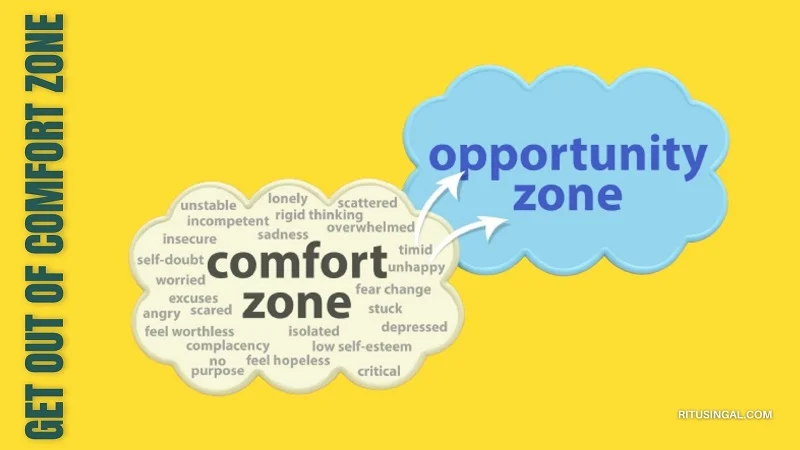
Experts in youth counselling services often advise those coming for counseling to challenge their comfort zones. It is one of the most important life skills as the moment you get out of your personal comfort zone, you will realize many new personal qualities you never knew about.
I can recall, while I was seeing off my 13-year old daughter, who was going abroad for a Draughts championship contest, many eyebrows were raised over my decision to send her all alone. But I knew well she needed to learn to be on her own in this big, bad world and parental presence couldn’t be taken for granted, always. Of course, I had made all the necessary arrangements in case something didn’t happen as per plan. The successful solo visit not only gave her immense self-confidence, but also taught her valuable life and social skills in terms of handling unforeseen problems and different people.
So, if you take comfort in never swimming, plunge into water (of course, with a lifeguard by your side), if you are doing 20 pages of writing daily, try to improve it. Leaving your comfort zone can help you hone problem-solving skills. The results can surprise you! Try it out!
Expand interests
As a life coach, I strongly believe that reading and cultivating new interests make you a more interesting person. It gives you knowledge which you can share with others and exchange your ideas. It makes you a good conversationalist as the quality of your conversation is a function of your reading and knowledge.
Personally, I believe that for them to really make a productive contribution, today’s youth need to be made aware of what ails the world- its society, technology, economy, health and culture. Therefore, I used to encourage both my daughters to read general books and magazines to expand their horizons so that their minds don’t remain confined to their own fields. And the results are obvious – my younger daughter, though a trained doctor, is quite passionate about developmental issue and has authored a book on UN Sustainable Development Goals.
- No one is a know-all. It’s refreshing to learn from others what we don’t know about.
- You need to develop effective presentation skills like speaking and creativity to put your message across effectively. There are plentiful online resources to help you with cultivating listening, networking and persuasion skills.
Imperfections make you perfect
Experts in youth counselling services often advocate accepting oneself as one is. None in this world is perfect as everyone has some flaws. When faced with criticism, accept it if it’s positive and let it go if it’s not. Look at your flaws objectively and work on them to eliminate one at a time.
- Some people are rather tall, others puny, some obese, others lanky. Now if we tend to compare ourselves with the popular media standards of physical appeal, our imperfections agitate and trouble us. But remember, relaxed or chilled out people live happier and healthier lives and charm people with their relaxed vibes.
- To feel cooler about yourself, give space to imperfections as people, situations and your personality don’t have to be the way you want.
Being optimistic, grateful
Being positive holds the key to a healthy, peaceful life. Driving out negativity certainly improves your mental stability as positive thoughts reduce depression and anxiety substantially.
Practice gratitude and thankfulness for all the things you take for granted. I have always raised my daughters telling them to practice economy and savings wherever they are in life, besides being thankful for what they have. It has made them humble and polite beings in life.
So you may not have Adidas shoes, but look at others having no feet and to feel grateful for the incredible feet you have.
Being self-confident

For me, as a life coach, achieving self-confidence is the first step towards personality enhancement. Confidence creates motivation and makes us aware of our inner capacities. Self- confidence triggers chemical changes in the brain to lead us to a point where we actually start believing it. So, have confidence and tell yourself you can handle anything successfully and you, really, will.
Never-say-die
Of all the life skills needed for success, this one holds the prime importance. Once we lose hope, we feel like quitting. But quitting is the worst thing you can do while cultivating self-confidence or improving the quality of life. Remember, we deserve a second chance and achieve our dream that keep us up at night. And if you feel like quitting, just think of why you began in the first place.
Being merciful and kind (to yourself!)
Any life coach will tell you that self-compassion brings out optimism, extroversion, wisdom, happiness, positivity and resilience. Self-compassion means:
- Knowing that you deserve care and to make it happen, you must have kindness and understanding towards yourself.
- Admitting that mistakes and failures are part of life. Don’t be hard on yourself when you make a mistake or fail at a task. Avoid self-criticism.
- Getting aware of your emotions and feelings. Of course, self-compassion doesn’t mean no accountability or just recklessness; rather, it is taking remedial action without becoming excessively self-critical.
Having opinions
- Reading gives you knowledge, which leads to opinions. Nothing is more boring than talking to someone with no opinion on anything.
- A conversation can’t go anywhere if one has nothing to say.
- An uncommon or out-of-the-box opinion makes you more stimulating.
- If you are not comfortable expressing your opinion and disagree on something, do it calmly and maturely. You will be surprised at what comes out of you.
Seeds of hidden qualities
Having jealousy or insecurity about the qualities we like among our peers doesn’t bring us those qualities. Much better to applaud the qualities you like in others and recognize the fact that their seeds are lying within you. So cultivate them with attention and practice. If you can foster such an attitude, it would be a growth mindset, the attitude made for success.
Being social
Interact with new people, especially those unlike you. I always encouraged my daughters to befriend people, even those whom they didn’t really admire. Interacting with variety of people gives you a holistic idea of society and also a feeling that acceptance and inclusivity are important skills to learn.
You’ll get exposed to varying cultures, different ways of thinking and expand your horizons, besides making you more accommodative and tolerant.
Travelling light
You will often find a life coach asking you to travel light. Being light in mind is reflected in your behavior i.e. people also feel light in your company. So, avoid over-thinking and don’t let shame, anger, jealousy or greed stay with you for long. Take it easy, forgive quickly and let go of grudges as they pop up.
Once you’ve done a task, let go of your attachment with the results to feel free, calm, relaxed and happy from within. And who does not like such people?
Being Positive
If you feel good inside, it gets reflected on the outside also. An ideal way to save yourself from the negativity is not to resist it but to observe it dissolve itself. Meditation is one way of achieving it.
- No one wants to be with a complaint box or those having nothing good to say.
- Try to be upbeat. Such people light up a room with personal energy and positivity.
- Your warm smile, cheer, and vibrant persona can create wonders.
Diversifying interactions
The more you interact with different kinds of people, the more confident and comfortable you will become. It will expose to a vast range of divergent ideas on different issues and help you develop a holistic and balanced perspective on so many things. As a result, your communication skills improve, and your personality dazzles.
Why be so serious?
- There are people who find humour even in tragic situations, like in the movie Pipli Live. Everyone enjoys the company of those who make us smile. Try to find the humorous, quirky side to every situation, however bad it may be. Comic relief can be a much welcome and needed diversion.
- Adding fun to a dull setting naturally attracts others to you.
Being enthusiastic
- As a life coach, I have discovered that enthusiastic people are more likely to inspire success. We all love to meet people with whom we can easily mingle. None would prefer meeting someone with a straight face. So try to become warm and enthusiastic. Smile more often, be friendly and be ready to share and help others. A is the best ornament you can wear. So put on a smile when you look into the mirror, on a good day, and on a bad one, too!
- We all love enthusiastic people. Enthusiasm makes everyday tasks more enjoyable and pulls others towards you. Practicing meditation can help you feel enthusiastic, calm and composed.
Being strong from inside

- Don’t give into external pressures and try to face challenges confidently. You will overcome adversity or learn something precious – a win-win situation, either way!
- Remaining calm strengthens our personality. However, being calm may be tough when you are suffering from a splitting headache and have an urgent deadline. In such cases, try to tap the power of breathing. An awareness of your breathing can help you feel calm in the middle of any situation.
Positive outlook
- No one would like to be around complaint boxes or those with nothing good to say.
- Try to be an upbeat person who lights up a room with personal energy upon entering it.
- Look for the best in people and things. Give a warm smile, spread cheer, and enliven others with your presence.
- Stress may affect us often on the outside but our inner core always radiates positivity like a proton by being unaffected, happy and peaceful. Tune into it with the help of meditation to energize yourself and bring out enthusiasm.
19. Integrity and respect
- Be honest and true to what you say to earn admiration and respect.
- Nothing else can make you more impressive than integrity and respect. Show respect for others and yourself, too.
Helping out others
- Becoming helpful endears you to all quickly.
- We all love cheerleaders, who encourage us when we’re down.
Thinking like a leader
Leaders aren’t always by the positions they hold; they are people who assume responsibilities without waiting to be told. Just thinking like one can nurture the leadership traits in you. Take new responsibilities and live up to them to bring change and influence on others.
Doing meditation
Regular meditation can help you let go and feel relaxed quite easily. Daily meditation also gives us more focus and calmness, apart from yielding other health benefits.
Dressing confidently
Everyone has some or the other bodily flaw and may feel inadequate due to them occasionally. But dressing a comfortable and confident-arousing dress can help you tide over tough situations.
Giving yourself time
Several things like the ability to let go, feeling light and enthusiasm can’t be cultivated overnight. You need time, effort and an inner change to transform yourself. With breathing awareness and meditation, you can bring out this inner change by removing deep-rooted stress, which makes a person calmer, stronger, and happier.