OUR BLOGS

8 Common Problems in Teenagers’ Relationship With Their Parents

The relationship between a teenage son or daughter and their parents often gets sour. If you are confused about why your child is behaving a certain way, don’t worry, as it is natural in most cases. Teenage children start questioning everything and often raise conflicts with their parents. 

It is seen that in adolescence, teenagers are forced to make social decisions about what is socially acceptable and what is not, especially in the case of gender issues that may arise. 

When these decisions are framed by parents on the part of the teenager, the result can be a conflict between parents and their children.

A few days ago, I met a family for the counselling of their child. They had a daughter who was in tenth class. I was greeted well by everyone, but the girl was hesitant to talk much. Now the parents loved their daughter a lot, but they somehow felt that they were getting disconnected with their child.

So, I decided to talk to the girl. I asked her a few things but she did not talk much, so I took a one-on-one session with her. As soon as she started talking, tears started rolling down her cheeks. She opened about her problems and how she feels anxious. She described how her parents would often say hurtful things like you are useless or a burden.

Now the parents loved their child so much, but were not mindful of their words. I think it is one of the most common teenage problems. Parents often say things out of anger or frustration, thinking teenagers will forget. However, many times parents say things that stay with their child. Such hurtful words can leave an impact and shake the confidence of a child.

As a coach, I always try to highlight the positive qualities of a child. If I feel something is not right, I would thoughtfully explain it to my daughters. It makes the child feel valued and do better next time.

What causes the problem?

One of the most common causes of teenage problems is that teenagers begin to feel uncomfortable with their bodies. A natural development process of the body changes during puberty, which is accompanied by various changes in the brain. Some of these body changes are related to sex hormones released throughout the body, while others reflect changes related to emotions, like depression or other emotional issues. These feelings often build up and cause physical problems for the teenager who, in turn, will likely try to deal with these problems without parents.

One way to help solve the problem of teenagers with parents is to address these issues when the child is likely to be receptive to accepting advice. Parents who have experienced some of the body changes and emotions associated with adolescence should be able to provide helpful insight to their teenage kids. Family conflicts and teenagers often complement each other.

What are the common teenage problems with parents?

  • Arguing 

Arguing problems of teenagers with parents is common in today’s society where parents are too busy to nag and scream at their teenagers. The best solution to such a problem is to discuss it frankly with the children. I have seen that most parents don’t want to talk to their children directly. Parents can be tactless and stubborn sometimes, and therefore, when they do not listen to children and try to justify their attitude, children simply avoid arguing with them.

Teenagers tend to feel embarrassed and uncomfortable in discussing their problems with their parents. It is because of various reasons. You cannot blame them for not wanting to hurt your feelings, or you could not blame them if they do not know how to talk to you reasonably. Hence, it would be better if you learn how to discuss the problem tactfully with your parents.

When parents find out that you have a problem with them, they should take the necessary steps to solve it. However, you should not start demanding their time or money before you solve the problem. 

  • Lack of communication 

Lack of communication problems of teenagers with parents can be sorted out by setting up a simple communication system at home. For example, one can easily teach his teenager a simple “sit” command while showing him how to repeat it back to him. It will help him learn to behave appropriately while talking to his parents. 

Many times I have seen teenage children walk or talk in a certain attitude. They just don’t know the difference between right and wrong, and it often leads to embarrassment in parents. So to avoid this embarrassing situation, they need to learn the difference between right and wrong.

Lack of communication between teenagers and parents therefore can be effectively solved by setting up a regular time and day when you and your teenage child can sit together and talk. If this regular time and day are set up before going to bed, then even if he makes a mistake, he would at least realize his mistake and try to rectify it the soonest possible time. In case he continues to do this, then you can discuss the problem with him. You can also inform your teenage daughter about this, and she can decide on her own whether she likes it or not.

  • Demanding perfection 

The number of parents demanding perfection from their teenage children has increased enormously in recent years, with many teenagers admitting to have been very hard on themselves during their formative years. Unfortunately, this hard work at making the life of their children better is sometimes carried into adulthood, and this, in turn, can have a detrimental effect on society as a whole. 

parentsMany of the problems in our society today are carried through families and legacies. In many ways, we have an attitude about how young people should behave now that we are adults, and these standards sometimes become the norm.

In a way, this relates to how parents react when their teenage child is involved in even the most minimal negative activities. It almost becomes a form of guilt trip that is used to try and make the teenager feel responsible for their actions. When parents are told that they cannot control the teenagers, they become convinced that it is better not to discipline them to avoid the embarrassment and possible rejection they would experience if they were to be confronted. 

For many parents, this means that they are constantly trying to convince their teenagers to act more responsibly. A teenager’s life goes by very quickly, and he or she soon realizes that they need to get on with the rest of their lives, and the responsibility of making a life for themselves comes with it. However, when parents leave their children during their teens to enjoy, such children become messed up adults. They are unable to bear any responsibility and hard work.

  • Frequent lying to parents

Frequent lying to parents is a problem that has been in existence for quite some time. The reason behind this is that it serves as an outlet for children to feel that they are strong and in control while at the same time doing some dangerous things that can be harmful to society. Teenagers usually lie about their whereabouts on weekends, their absences, their friends, school friends, etc. Teenagers lying to their parents is considered normal in comparison to teenagers who are not prone to lying; however, to know the difference between the two you need to look into the root cause of such behavior.

Teenagers lying to their parents is normally caused due to various reasons. Teenagers love to make their parents happy and are always willing to do things for the sake of their parents’ happiness. Due to this, your teenager starts lying about his/her whereabouts on weekends, when you are not at home, etc. It is not only parents who have to face problems with lies, children too face such situations, but it is more common in teenagers.

Parents have to constantly monitor all activities of their teenage children. Teenagers lying about their location on weekends and absences is a serious issue, and parents have to be very vigilant about this. 

The only way to solve this gap is to build a relationship of trust. When you become friends with your children, they get candid with you. If your children have your trust, they will not hesitate once in telling you their problems. However, if your children are scared of you, lying becomes a routine activity for them.

  • Spending too much time on the internet

Teenagers spending too much time on the internet is something that concerns many parents these days. It is hard to keep your kids under control, and many times it looks like they are spending all of their time online at games, social networking sites, chat rooms, and just chatting with their friends. It is something that can be very dangerous and should be dealt with quickly. However, many parents feel that they are doing a lot of things to try to make their teenagers responsible for their own lives and wonder why this is happening. They may not realize that they are part of the problem and need to step up their game to make sure that they don’t continue to allow their children to become so easily distracted.

Many parents have noticed that even when they spend some time away from the computer and come back to see what happened, their teenagers are still extremely involved in the games they were playing or chatting with their friends. It is something that has to be stopped dead in its tracks right away. Parents need to sit down and play with their kids. They need to learn how to take a break from time to time and find a way to stop their kids from wasting all of their free time on a computer that will not serve them. Sometimes, all it takes is a change of environment for teens to start paying attention.

Teenagers spending too much time on the internet is a serious issue that can be fixed if parents take the time to realize what they are doing wrong. Unfortunately, many parents just don’t realize that they have allowed their child to become too easily distracted, and they haven’t been doing anything to help fix the problem. 

If you spend too much time on the Internet, it is time to sit down and make a plan to get your kids back into the habit of being responsible for their own online time. The more focused they are on finding some type of activity to do, the more likely they are going to listen to reason and stop wasting time online. When this happens, the problems that exist with teens using the computer will eventually disappear.

  • Unable to understand emotional problems that teenagers are facing 

It is a fact that most parents of teenagers are unable to recognize the emotional problems their children are facing. They think their children are not capable of understanding such problems and so they should not disturb them. The truth, however, is that most teens have these problems, and most of them do not even know how to solve them. It means that parents themselves also have a lot to learn in this regard.

teenager problems

One very important thing that all parents should know is that teens are facing these emotional problems because they are being exposed to many harmful activities daily. All this does is trigger negative behaviors on their part. It is what causes most of the teen’s problems. In order to identify the root cause of these emotional problems that teens are facing, one needs to be very sensitive to the things happening to their teens. It is probably the only way for parents to help their teens get over these emotional traumas.

The best way for parents to help their teens is to understand and accept whatever is going on. Parents should never get too frustrated and annoyed with their teens. They should understand that while their teens may be having some behavioral problems, there is always a good chance that their teens have some mental problems as well. When they accept this, both parents and teens are then able to address the issues one by one and find a way to resolve them.

  • Peer pressure that teen gets influenced by 

Peer Pressure is an issue that many teenagers face, especially in their teenage years. Peer Pressure is when a child feels forced to do something he doesn’t want to do or feels uncomfortable about. Some of the things your teen might be pressured to do include; smoking pot, drinking alcohol and doing drugs. Most teens will face peer pressure at some point, but it can be a big problem if you don’t look for help to get out of the situation.

Sometimes teens get caught up in these types of problems because they do not know any better. If you have a teen who is suffering from peer pressure, you must get help for them as soon as possible. Many teenagers do not discuss such issues with their parents. It is also because they don’t want to be called old-fashioned. If you start talking to them about these kinds of things they will only think about how embarrassing it is for you to get involved in those kinds of things.

It is always best to keep an eye on your teenager and make sure they are not being influenced by peer pressure. If you find that your teen is being pressured then you need to talk to them about these things so that you can find out what is going on. It might be that there is something wrong with them, and they need to find someone else to be in school with. You need to be able to talk to the people who are influencing your child because you do not want them to put your child in a situation where they can be hurt.

  • Setting timing rules for teenagers 

Parents setting time strictness for teenagers is usually caused by teenagers being out too much on the weekends or having friends that are not good role models. It may also be because parents want to spend more time with their kids and don’t want them hanging out with random people that aren’t good influences. In any case, parents must set some time rules on teens so they can get back to being a child in peace. Of course, we all know that children are always going to be a little cranky, and some kids simply don’t listen to any rules that are set. But parents need to do so anyway so that their teenagers can get back to doing what they were doing before getting suspended or sent home.

Parents who decide to put time restrictionson their teens generally just do so one night and then never change it. Some parents even continue to do this until their children turn thirteen or sixteen. It is a lot of pressure to put on a child, and parents who don’t back it up with actual discipline may find themselves out of a job in a short period. Parents that stick to their word and follow through with rules are usually the ones that get along better with their children.

But, there are some advantages to having your children set a time limit of some kind. For one thing, teenagers tend to become a little more reckless at this age because of their lack of proper direction and structure. Having a set time that they have to go to every day helps prevent them from doing things that they might regret later down the road, which is always a good thing. And most of all, having a set time during the day when you want your children to come home and do homework is a good way to make sure that they do homework on time, so they learn something, too.

Overall Outlook

Life gets arduous during teenage years, not only for the child but also for the parents. Being a good parent to a teenager is a task in itself. However, the teenage years are crucial for the growth of your child. These years can make or break the future of the child. As parents, you need to be more open, communicative, attentive, and friendly to your teenage child. It will build a strong relationship and prevent daily family conflicts with teenagers

Unraveling Modern Relationship Problems: Insights and Solutions

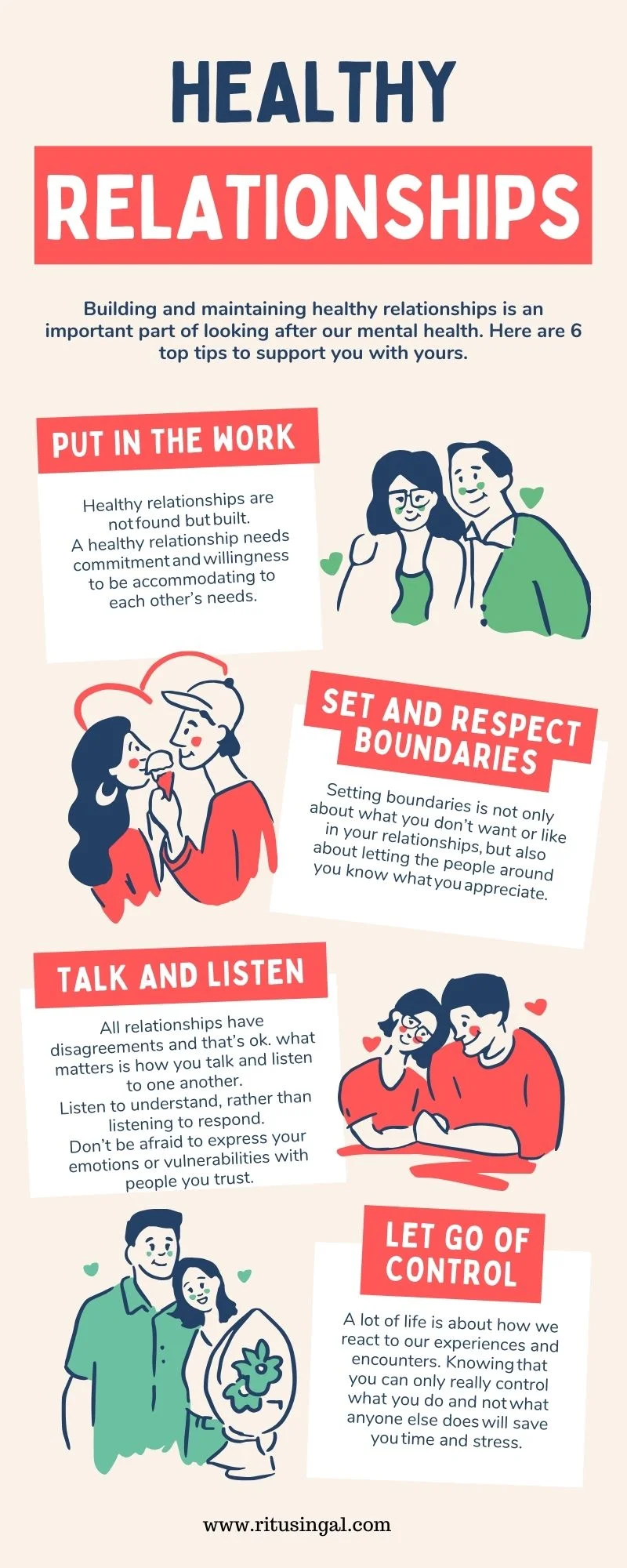
Maintaining a healthy relationship can be daunting in today’s fast-paced world. With the constant bombardment of distractions, stress, and changing social norms, it’s no wonder many couples struggle to maintain a strong bond. With the advent of technology and social media, people are more connected than ever, yet they struggle to maintain healthy relationships.

In this blog, we will explore some of the most common challenges modern couples face and discuss how relationship counselling and guidance from a life coach like Ritu Singal can help navigate these obstacles. By understanding these challenges and implementing effective strategies, you can build a healthy relationship that stands the test of time.

Factors affecting Relationships

Various factors are essential to consider when looking for healthy relationships. Some of these are:

1. The Impact of Technology on Relationships

One of the most significant challenges in modern relationships is the impact of social media. Platforms like Facebook, Instagram, and Twitter have made it easier than ever to compare our lives and relationships to those of others. This constant comparison can lead to feelings of inadequacy and dissatisfaction, ultimately harming the relationship.

Technology has also introduced myriad distractions that can take away from quality time spent with our partners. From smartphones to streaming services, it’s easy to become absorbed in our devices and neglect our relationships.

While technology has made communication more accessible, it has also led to a decline in face-to-face interactions. Couples may rely on text messages and social media to communicate, leading to misunderstandings and a lack of emotional connection.

2. Balancing Work and Personal Life

In today’s competitive job market, many individuals work long hours and struggle to maintain a healthy work-life balance. This can lead to stress, burnout, and a lack of time and energy for nurturing relationships.

Work stress can spill over into our personal lives, affecting our mood, communication, and ability to connect with our partners. It’s essential to recognize the impact of work stress on our relationships and take steps to manage it effectively.

Checkout: Secrets To Create More Balance in Life From Reputed Life Coach

3. The Importance of Emotional Intelligence in Relationships

Emotional intelligence is a crucial component of a healthy relationship. It involves understanding our emotions and those of our partners and managing and expressing them effectively. Couples who lack emotional intelligence may struggle with communication, empathy, and conflict resolution.

Relationship counselling can help couples develop emotional intelligence by teaching them effective communication strategies, fostering empathy, and providing tools for managing emotions. A skilled counsellor, like life coach Ritu Singal, can guide couples through this process and help them build a stronger emotional foundation for their relationship.

4. Navigating Changing Gender Roles

As society evolves, so do our expectations for gender roles within relationships. Couples may grapple with conflicting expectations and beliefs about their roles in the relationship, leading to tension and misunderstandings.

To navigate these challenges, couples must be willing to embrace equality and partnership within their relationship. This may involve redefining traditional gender roles and finding a balance for both partners.

5. The Paradox of Choice: Too Many Options, Too Little Commitment

Today we have a plethora of options when it comes to dating and relationships. We are constantly exposed to potential new partners, from dating apps to social media. This overabundance of choices makes us hesitant to commit to one person as we feel there might be better options. We go from one short-lived relationship to another without nurturing deep connections.

The key is to realize that quality trumps quantity. Rather than chasing endless options, find someone you connect with and commit to making it work. As relationship counsellor Ritu Singal says, “A healthy relationship requires effort and commitment to shared goals.”

6. Fear of Intimacy: Running from vulnerability

Many people today fear intimacy and have trouble opening up or making themselves vulnerable in relationships. This could stem from past hurts, betrayals or a lack of warmth and affection in childhood. However, vulnerability is essential for trust and closeness in relationships.

According to life coach Ritu Singal, “The only way to overcome the fear of intimacy is by gradually opening up to your partner, sharing details about your life, desires, fears, and dreams.” Start with small acts of vulnerability and see how your partner responds. Look for partners who make you feel safe and supported. Over time the fear will subside.

7. Rise of remote work and long-distance relationships

The rise of remote work has made long-distance relationships more feasible for many couples. With the ability to work from anywhere, partners can maintain their careers while living in different locations. Technology is also crucial in keeping long-distance couples connected through video calls, instant messaging, and social media.

Despite the opportunities provided by remote work and technology, long-distance relationships still face unique challenges. Physical distance can lead to feelings of loneliness, and couples may struggle to maintain emotional intimacy without regular face-to-face interactions. Trust and communication become even more critical in long-distance relationships, as misunderstandings and insecurities can arise more easily.

With the rise of long-distance relationships, the importance of quality time becomes even more pronounced. Couples need to prioritize spending meaningful time together, whether it’s through virtual dates, regular visits in long-distance relationships, or intentional time spent together for remote working couples living in the same household.

8. Maintaining a Healthy Relationship in the Face of Challenges

Open, honest communication is the foundation of any healthy relationship. Couples must openly discuss their feelings, needs, and concerns and listen to their partner’s perspective.

Spending quality time together is essential for maintaining a strong emotional connection. Couples should carve out time for each other, despite busy schedules and distractions. When faced with relationship challenges, seeking professional guidance from a relationship counsellor or life coach like Ritu Singal can be invaluable. These experts can provide tailored advice and support to help couples navigate their unique challenges and build a stronger, healthier relationship.

How do we navigate differences in values and beliefs in modern relationships?

One of the primary sources of differences in values and beliefs is cultural backgrounds. Couples from different cultural backgrounds may have varying perspectives on family, religion, and gender roles. Understanding and respecting each other’s cultural heritage is essential for navigating these differences. Our upbringing and family environment play a significant role in shaping our values and beliefs.

Couples may find that their families have different expectations and traditions, which can lead to conflicts in the relationship. Individual experiences can also shape our values and beliefs. For example, someone who has experienced financial hardship may have different views on money and financial security than someone who has not.

Relationship counselling can help couples identify and address differences in values and beliefs that may be causing conflict in their relationship. Like life coach Ritu Singal, a skilled counsellor can facilitate open and honest communication between partners, helping them gain a deeper understanding of each other’s perspectives. She can also help couples develop empathy and understand their partner’s values and beliefs.

Through guided exercises and discussions, couples can learn to see the world from their partner’s perspective and better appreciate their differences. In addition to addressing individual differences, relationship counselling can help couples establish shared values that can serve as a foundation for their relationship. Ritu Singal can guide couples through identifying and building upon these shared values, fostering a sense of unity and purpose in the relationship.

The Importance of Relationship Counselling

Relationship counselling has become increasingly popular in recent years and for good reason. It provides a safe and supportive environment for couples to explore their issues and work towards a healthier relationship.

A trained therapist can help couples identify behaviour patterns causing problems and provide tools and strategies to overcome them.

One of the biggest benefits of relationship counselling is that it can help couples communicate more effectively. Many relationship problems stem from a need for more communication or communication. A therapist can help couples learn how to express their needs and feelings in a clear and respectful way.

Another benefit of relationship counselling is that it can help couples better understand each other. Couples can build empathy and compassion by exploring each other’s perspectives and experiences, strengthening their bond.

How does relationship counselling help to maintain a healthy relationship?

There are various ways in which relationship counselling by life coach Ritu Singal can help you with your modern relationship problems:

1.    Navigating Trust Issues

Trust is the foundation of any healthy relationship, but it can be challenging to maintain in today’s world. Social media and dating apps make it easy to connect with people outside of the relationship, which can lead to jealousy and insecurity.

If you’re struggling with trust issues in your relationship, addressing them head-on is important. Talk to your partner about your concerns and work together to establish comfortable boundaries for both of you. It’s also important, to be honest and transparent with each other. If you’ve made a mistake, own up to it and work to rebuild trust.

If trust issues persist, it may be helpful to seek the guidance of a relationship counsellor. A therapist can help you identify the root of the trust issues and provide strategies to rebuild trust.

Open and honest communication is crucial for addressing differences in values and beliefs. Couples should be willing to discuss their perspectives and listen to their partner’s point of view without judgment.

2.    Managing Conflict

Conflict is a natural part of any relationship but can be challenging to navigate. When conflict arises, it’s important to approach it constructively. Avoid attacking your partner or becoming defensive. Instead, focus on the issue at hand and work together to find a solution.

One effective strategy for managing conflict is to use “I” statements. For example, instead of saying, “You always do this,” say, “I feel hurt when this happens.” This approach can help you express your feelings without blaming your partner.

It’s also important to take a break if emotions are running high. Sometimes, it’s best to step away from the situation and come back to it when you’re both feeling calmer.

If you struggle to manage conflict in your relationship, a relationship counsellor can provide guidance and support. They can help you develop effective communication skills and strategies for resolving conflict.

While respecting each other’s thinking is essential, couples should also work to establish shared values that can serve as a foundation for their relationship. These shared values guide decision-making and provide a sense of unity and purpose.

3.    The Role of a Life Coach

In addition to relationship counselling, a life coach can be a valuable resource for navigating modern relationship challenges. A life coach can help you identify your goals and values and work towards creating a fulfilling and meaningful life.

One of the benefits of working with a life coach is that they can help you identify patterns of behaviour that may be holding you back in your relationships. For example, if you struggle with setting boundaries, a life coach can help you develop strategies for healthily asserting yourself.

A life coach can also help you develop self-awareness and self-compassion, which can improve your relationships. By understanding your own needs and feelings, you can communicate more effectively with your partner and build a stronger connection.

Working with a life coach can be especially helpful if you’re going through a major life transition, such as a divorce or a career change. A life coach can provide guidance and support as you navigate these changes and help you stay focused on your goals.

Conclusion

Navigating modern relationship challenges can be difficult, but with the right tools and support, couples can overcome these obstacles and build a healthy, lasting bond.

By understanding the impact of technology, balancing work and personal life, developing emotional intelligence, embracing changing gender roles, and prioritizing communication and quality time, couples can create a strong foundation for their relationship.

When faced with challenges, seeking relationship counselling and guidance from a life coach Ritu Singal can provide invaluable support and guidance on the path to a healthy, fulfilling relationship. 

Maintaining a healthy relationship can be daunting in today’s fast-paced world. With the constant bombardment of distractions, stress, and changing […]

Life Coach Services in India: Transforming Lives through Personal Growth

In today’s fast-paced and dynamic world, navigating the complexities of life can be challenging. Proper guidance and support are crucial if we strive for personal growth, career advancement, or a more fulfilling lifestyle.

This is where a certified life coach steps in—a skilled professional who possesses a deep understanding of human behaviour and motivation and excels in good communication skills. In the vast landscape of life coaching, India stands out as a hub for exceptional practitioners who are transforming lives through their expertise.

This article delves into life coaching, exploring its profound impact on individuals seeking personal development, empowerment, and a path to success. We will unravel the essence of a certified life coach and examine the significance of their role in helping individuals unlock their full potential.

Furthermore, we will shed light on the best life coaches in India who have earned a reputation for their exceptional prowess in guiding others towards achieving their goals.

Embark on this enlightening journey of self-discovery as we delve into the transformative power of a certified life coach. Discover their vital role in enhancing communication skills, fostering personal growth, and nurturing the development of one’s unique personality. Get ready to unleash your potential and witness the incredible possibilities that await on the path of self-empowerment.

So, let’s embark on this transformative expedition, exploring the world of certified life coaches in India and embracing the boundless opportunities for personal and professional growth.

The Importance of a Life Coach in the Indian Context, Now More Than Ever

In the ever-evolving landscape of modern India, the role of a life coach has become increasingly vital. As individuals face many challenges and strive to find balance in their personal and professional lives, the guidance and support of a certified life coach have become more crucial than ever before.

India, a diverse nation with a fast-paced lifestyle and a competitive environment, demands unique skills to navigate its intricacies. One of the primary reasons why a life coach is essential in the Indian context is the increasing need for personal development.

As society undergoes rapid changes, individuals are confronted with new expectations and evolving aspirations. A life coach assists in bridging the gap between where one is and where one wants to be, guiding them towards self-discovery, growth, and fulfillment.

Additionally, the pressure to succeed can be overwhelming in a country that values academic and professional achievements. A life coach helps individuals define their goals and develop a clear roadmap to reach them. A life coach empowers individuals to overcome self-doubt, build resilience, and make confident decisions that align with their aspirations by offering tailored strategies and personalized guidance.

Moreover, the Indian context places great emphasis on relationships and family dynamics. By helping individuals develop emotional intelligence and empathetic understanding, a life coach facilitates the growth of harmonious connections, enhancing overall well-being.

A life coach offers a guiding hand in navigating these complexities, assisting individuals in managing stress, finding balance, and prioritizing their physical and mental well-being. By incorporating mindfulness, self-care, and resilience-building practices, a life coach equips individuals with the tools necessary to thrive in today’s fast-paced world.

In conclusion, a certified life coach holds immense significance in the Indian context, particularly in the present era. As individuals seek personal development, career growth, and meaningful relationships, a life coach is a trusted ally, empowering them to unleash their potential, embrace opportunities, and overcome challenges.

With their expertise in good communication skills, life coach becomes a catalyst for positive change, enabling individuals to navigate the unique complexities of the Indian landscape and lead fulfilling, purpose-driven lives.

Checkout: Reasons Why You Need A Life Coach

Common Myths About Life Coaches: Addressed by Life Coach Ritu Singal

Myth 1: Life Coaches are only for struggling people with personal issues.

Reality: One of the most common misconceptions about life coaches is that their services are solely intended for individuals facing significant challenges or personal issues. In reality, life coaches cater to a broad spectrum of clients, including those who are already successful and seeking further growth.

Life coaches are skilled professionals who provide guidance, support, and strategies for individuals looking to enhance their personal and professional lives, regardless of their circumstances.

Myth 2: Life Coaches are therapists or counsellors in disguise.

Reality: While some personal development and well-being may overlap, life coaches and therapists have distinct roles and approaches. Therapists primarily address and heal past traumas, mental health issues, and emotional struggles.

On the other hand, life coaches concentrate on the present and future, helping clients set and achieve goals, develop new skills, and unlock their potential. Life coaches work proactively, focusing on personal growth, motivation, and accountability.

Myth 3: Life Coaches have all the answers and will tell you what to do.

Reality: Life coaches are not meant to provide all the answers or dictate what clients should do. Instead, they facilitate a process of self-discovery and empowerment. A skilled life coach employs active listening, powerful questioning, and reflective techniques to guide clients in exploring their values, beliefs, and aspirations.

They help clients uncover their strengths, identify obstacles, and develop strategies that align with their unique circumstances and goals. Life coaches empower clients to make informed decisions and take ownership of their actions.

Myth 4: Life Coaching is a quick fix and guarantees immediate results.

Reality: Achieving personal growth and transformation is a process that requires time, effort, and commitment. While life coaching can be highly effective, it is not a magical solution that guarantees instant results. Sustainable change and progress often require consistent effort, practice, and perseverance.

A life coach is a supportive partner throughout this journey, providing tools, accountability, and motivation. The pace of progress may vary for each individual, and it is important to approach life coaching with realistic expectations and a willingness to invest in personal development.

Addressing these common myths makes it clear that life coaches are qualified professionals who play a crucial role in guiding individuals towards personal and professional growth.

They provide support, tools, and strategies to help clients unlock their potential, navigate challenges, and achieve their goals. Life coaching is a collaborative and empowering process that empowers individuals to take control of their lives and create positive, lasting change.

Life Coaches and Personality Development: Unleashing Your Full Potential

Personality development is a lifelong journey of self-discovery, growth, and enhancement. It encompasses various aspects, including self-awareness, emotional intelligence, communication skills, confidence building, and overall personal growth. In this transformative process, life coaches play a significant role as invaluable guides and facilitators.


Life coaches are trained professionals who specialize in supporting individuals in their quest for personal and professional development. They possess a deep understanding of human behaviour, motivation, and practical communication skills, making them adept at helping clients navigate the intricacies of personality development.

One of the critical contributions of life coaches to personality development lies in fostering self-awareness. They work closely with individuals to help them better understand their strengths, values, beliefs, and areas for improvement. By facilitating introspection and reflection, life coaches empower individuals to recognize their unique qualities and leverage them to their advantage.

Practical communication skills are another crucial aspect of personality development, and life coaches excel in this domain. They guide improving verbal and non-verbal communication, active listening, assertiveness, and conflict resolution. Life coaches help individuals develop the ability to express themselves clearly, establish meaningful connections, and navigate interpersonal relationships with confidence and authenticity.

Confidence building is integral to personality development, and life coaches are skilled at empowering individuals to overcome self-doubt and unleash their full potential. Through personalized strategies, encouragement, and mindset shifts, life coaches help clients build resilience, embrace their strengths, and step outside their comfort zones.

They offer continuous support and accountability to help individuals make bold decisions, take calculated risks, and grow into their best selves.

Furthermore, life coaches facilitate emotional intelligence development—a crucial component of personality development. They guide individuals in recognizing and understanding their emotions, managing stress and conflict, and developing empathy and emotional resilience. By honing emotional intelligence, individuals gain greater self-control, empathy, and the ability to navigate complex social dynamics gracefully and effectively.

The transformative impact of life coaches on personality development is multi-faceted. They serve as mentors, motivators, accountability partners, and strategists, tailoring their approach to meet each individual’s unique needs and goals. Through their guidance, life coaches empower individuals to embrace personal growth, overcome limiting beliefs, and unleash their full potential.

In conclusion, life coaches are crucial in facilitating personality development and supporting individuals on their path to self-discovery and growth. By fostering self-awareness, honing communication skills, building confidence, and nurturing emotional intelligence, life coaches empower individuals to transform their personalities and lead fulfilling, purpose-driven lives. 

Life Coaches and Good Communication Skills: Unlocking the Power of Effective Expression

Recognizing the significance of good communication skills, life coaches play a pivotal role in helping individuals harness the power of practical expression.

Life coaches are skilled professionals who guide individuals towards personal growth and development. They possess a deep understanding of human behaviour, motivation, and the nuances of communication, making them instrumental in assisting individuals in cultivating and refining their communication skills.

One of life coaches’ primary contributions to communication skills is helping individuals develop self-awareness. They work closely with clients to identify their communication strengths, weaknesses, and areas for improvement. By fostering self-awareness, life coaches enable individuals to recognize their communication patterns, habits, and underlying beliefs, empowering them to make conscious changes for enhanced effectiveness.

Effective verbal communication is a crucial aspect of good communication skills, and life coaches excel in guiding in this area. They offer strategies and techniques to improve clarity, articulation, active listening, and constructive feedback. Life coaches help individuals develop the ability to express themselves eloquently, engage in meaningful conversations, and convey their thoughts and ideas with impact and influence.

They assist individuals in understanding the importance of non-verbal cues and their impact on communication. Life coaches guide clients in adopting positive body language, enhancing their presence, and aligning their non-verbal signals with their verbal messages for greater authenticity and effectiveness.

Life coaches also play a crucial role in developing empathetic and active listening skills. They emphasize the significance of attentive listening, empathetic understanding, and reflection to ensure effective communication. By teaching clients how to listen and understand others truly, life coaches enable individuals to foster stronger connections, build trust, and cultivate harmonious relationships in both personal and professional settings.

Furthermore, life coaches facilitate assertiveness and conflict resolution, which are essential to effective communication. They help individuals develop the skills to assertively express their opinions, needs, and boundaries while maintaining respect for others. Life coaches guide clients in navigating conflicts constructively, finding win-win solutions, and fostering healthy communication dynamics.

The impact of life coaches on enhancing communication skills is profound and far-reaching. Life coaches empower individuals to communicate confidently, clearly, and empathetically by providing personalized guidance, support, and feedback. Through their expertise, individuals can connect authentically, influence others positively, and navigate various communication scenarios gracefully and effectively.

In conclusion, life coaches serve as catalysts for developing good communication skills, enabling individuals to unlock the power of practical expression. By fostering self-awareness, honing verbal and non-verbal communication skills, emphasizing active listening, and guiding assertiveness and conflict resolution, life coaches equip individuals with the tools to communicate effectively in personal, professional, and social contexts. With the support of life coaches, individuals can elevate their communication abilities, enhance their relationships, and achieve tremendous success in all aspects of their lives.

Signs of a Good Life Coach:

  1. Certification and Credentials: A good life coach holds relevant certifications and credentials from reputable coaching organizations. 
  2. Active Listening and Empathy: A good life coach excels in active listening, demonstrating genuine empathy and understanding. They create a safe and non-judgmental space for clients to express themselves openly.
  3. Good Communication Skills: Effective communication is a hallmark of a good life coach. They articulate ideas clearly, ask powerful questions, and provide constructive feedback. They adapt their communication style to meet the unique needs of each client.
  4. Customized Approach: A good life coach understands that each individual is unique. They tailor their coaching approach to suit their client’s goals, values, and circumstances. They do not follow a one-size-fits-all approach.
  5. Goal-Orientation: A good life coach helps clients define clear and achievable goals. They guide clients in creating action plans and provide support, accountability, and motivation to help them stay on track towards their desired outcomes.
  6. Positive and Supportive: A good life coach fosters a positive and supportive environment. They believe in their clients’ potential and provide encouragement, inspiration, and constructive challenges to help clients overcome obstacles and reach their full potential.
  7. Holistic Approach: A good life coach recognizes the interconnectedness of various life domains. They consider the holistic well-being of their clients and help them find balance across personal, professional, and social aspects of life.

Signs of a Bad Life Coach:

  1. Lack of Certification or Credentials: A lousy life coach may need proper certification or credentials, indicating a lack of proper training and adherence to professional standards.
  2. Poor Active Listening and Empathy: A lousy life coach may exhibit poor listening skills, interrupting clients or failing to understand their perspective. They may lack genuine empathy and understanding.
  3. Lack of Communication Skills: A lousy life coach may need communication help. They may use vague language, need more explicit instructions, or need to establish client rapport.
  4. One-Size-Fits-All Approach: A lousy life coach may employ a rigid, one-size-fits-all approach without considering individual clients’ unique needs and circumstances. They may use generic strategies and need to tailor their coaching to specific goals.
  5. Lack of Accountability and Follow-up: A lousy life coach may need to provide adequate support, accountability, and follow-up. They may not hold clients responsible for their actions or guide them to overcome obstacles.
  6. Negative or Unsupportive Attitude: A lousy life coach may have a negative or unsupportive attitude, undermining clients’ confidence and discouraging their progress. They may need more belief in clients’ potential for growth.

Choosing a Life Coach

Defining your goals is an important first step before choosing a life coach. Take the time to clarify what you hope to achieve through coaching, as this will help you find a coach who aligns with your specific needs. When searching for a life coach, it’s essential to research their credentials and experience.

Look for coaches with relevant certifications and consider their training, experience, and specialization areas to ensure they have the expertise to address your concerns. Seeking recommendations and reviews can also be helpful. Ask trusted sources, such as friends, colleagues, or professionals in related fields, for their recommendations.

Hearing about others’ experiences can provide valuable insights. Many life coaches offer a consultation or discovery session. Take advantage of this opportunity to assess compatibility. Use this session to discuss your goals, ask questions, and gain an understanding of the coach’s approach and style. It’s important to trust your intuition and assess the chemistry and rapport with the coach.

A good personality and communication style fit are essential for a productive coaching relationship. By defining your goals, researching credentials and experience, seeking recommendations, and assessing chemistry and rapport, you can find a life coach who is the right fit for you and who can support you in achieving your desired outcomes.

Knowing When You Need a Life Coach

If you’re feeling stuck or unfulfilled in certain areas of your life, a life coach can be a valuable resource. They can help you gain clarity, set meaningful goals, and navigate obstacles to create positive change. If you have a strong desire for personal growth, self-improvement, and unlocking your full potential, a life coach can guide and support you on your journey of self-discovery and growth.

Life coaches are particularly beneficial during times of transition, such as career changes, relationship shifts, or major life decisions. They can provide valuable guidance, perspective, and strategies to navigate these challenges and make informed choices.

Additionally, if you wish to enhance your communication, interpersonal, or leadership skills, a life coach can provide guidance and practical tools to help you develop and improve in these areas.

They can help you develop effective communication techniques, build stronger relationships, and enhance your leadership abilities. Whether you’re feeling stuck, seeking personal growth, facing transitions or challenges, or desiring enhanced communication or leadership skills, a life coach can support and help you lead a more fulfilling life.

In summary, choosing a good life coach involves considering their certification, active listening skills, communication abilities, customized approach, goal orientation, positive support, and holistic perspective. Conversely, a bad life coach may need more credentials, exhibit better listening or communication skills, use a rigid approach, lack accountability, or have a negative attitude.

You may benefit from a life coach when feeling stuck, seeking personal growth, facing transitions or challenges, needing accountability, or desiring improved communication or leadership skills. A good life coach can be a transformative partner in your journey towards self-improvement and success.

Who Can Benefit the Most from Life Coaching?

Life coaching offers valuable guidance and support to individuals across various walks of life who seek personal growth, professional development, and positive transformation. While anyone can benefit from working with a life coach, certain groups of people can particularly reap the rewards of this empowering partnership.

Ambitious professionals and executives can greatly benefit from the support of a life coach. Whether they aim to enhance their leadership skills, navigate career transitions, improve work-life balance, or boost overall performance, a life coach provides the necessary tools, strategies, and accountability to succeed professionally.

During these times, a life coach can offer guidance, support, and a structured approach to help individuals navigate the transitions with clarity, confidence, and resilience. Those seeking personal development and self-improvement can greatly benefit from working with a life coach.

Whether it’s enhancing self-awareness, improving communication skills, boosting confidence, or cultivating a positive mindset, a life coach provides the guidance, tools, and support needed to unleash one’s full potential and lead a fulfilling life. Students and young professionals navigating educational choices, career paths, and personal development can find immense value in life coaching.

A life coach can help them set goals, develop compelling study or career strategies, build confidence, and overcome challenges, empowering them to make informed decisions and achieve academic and professional success.

In today’s fast-paced and stressful world, many individuals are seeking balance, well-being, and inner harmony. A life coach can assist in identifying values, setting priorities, managing stress, and fostering self-care practices, enabling individuals to achieve a healthy work-life balance and enhance overall well-being.

In summary, while life coaching benefits individuals from all walks of life, professionals, individuals in transition, entrepreneurs, those seeking personal development, students/young professionals, and those seeking balance and well-being stand to gain the most from this transformative partnership.

Regardless of one’s background or aspirations, working with a life coach can bring clarity, motivation, and practical strategies to navigate challenges, achieve goals, and unlock one’s true potential.

In today’s fast-paced and dynamic world, navigating the complexities of life can be challenging. Proper guidance and support are crucial […]

Unleash Your Potential: Why You Need a Life Coach

Imagine having a personal guide who helps you navigate life’s challenges, uncover your true potential, and achieve your goals. That’s precisely what a life coach is—a supportive partner who empowers you to transform your life.

The best life coach is a professional who specializes in personal development and provides guidance, motivation, and accountability to individuals seeking to make positive changes. Unlike therapists or counsellors who primarily focus on past experiences and emotional healing, life coaches focus on the present and future, helping you create a fulfilling and purpose-driven life.

So, what exactly do the best life coaches do? They wear many hats and tailor their approach to meet each client’s unique needs. Here are some of the critical roles and responsibilities of a life coach:

Goal Setting: Life coaches help you define and clarify your short-term and long-term goals. They assist you in identifying what truly matters to you and create a roadmap to achieve those aspirations.

Action Planning: Once your goals are set, a life coach helps you break them into actionable steps. They support you in creating a strategic and realistic plan, ensuring that you stay on track and progress towards your desired outcomes.

Identifying Obstacles: Life coaches help you recognize and overcome the obstacles that may hold you back. They assist in identifying limiting beliefs, fears, and self-sabotaging patterns, providing tools and strategies to overcome them.

Accountability and Motivation: One of the crucial roles of a life coach is to hold you accountable for your actions and commitments. They provide ongoing support, encouragement, and motivation, helping you focus and commit to your goals.

Skill Development: Life coaches often assist in developing specific skills necessary for personal and professional growth. Whether it’s improving communication, time management, or resilience, they provide guidance and resources to enhance your abilities.

Emotional Support: While not therapists, life coaches provide emotional support during your journey of self-discovery and personal growth. They offer a safe, non-judgmental space to express your thoughts, fears, and concerns.

Who benefits from a life coach? The answer is simple—almost anyone! Life coaches work with individuals from all walks of life, including professionals, entrepreneurs, students, and homemakers. Whether you’re feeling stuck in a rut, facing a career transition, seeking personal fulfilment, or simply wanting to improve various aspects of your life, a life coach can provide guidance and help you unlock your full potential.

In summary, a life coach is a trusted partner who helps you gain clarity, set meaningful goals, and take inspired action towards a more fulfilling and purpose-driven life. Their guidance, support, and expertise empower you to overcome obstacles, grow personally and professionally, and ultimately create the life you desire.

Why is life coaching for you?

Life coaching can be beneficial for a variety of reasons. Here are a few examples of situations where one might benefit from working with a life coach:

Clarifying Life Purpose: Feeling unsure about one’s life purpose or direction can be overwhelming. A life coach can facilitate individuals in defining their values, passions, and goals, guiding them towards a more purposeful and meaningful life.

Career Transitions: Changing careers can be daunting, whether by choice or necessity. A life coach can support exploring new opportunities, assessing skills and interests, and creating a strategic plan for a successful transition.

Overcoming Limiting Beliefs: Negative self-talk and limiting beliefs can keep individuals from reaching their full potential. A life coach helps identify these patterns and provides tools and techniques to reframe thoughts, build self-confidence, and overcome self-imposed limitations.

Work-Life Balance: Juggling multiple responsibilities and feeling overwhelmed by work and personal life demands can lead to burnout and dissatisfaction. A life coach can assist in prioritizing commitments, setting boundaries, and creating a more balanced and fulfilling lifestyle.

Boosting Motivation and Accountability: Many people need help staying motivated and accountable when pursuing their goals. A life coach provides the necessary support, encouragement, and accountability to keep individuals focused, motivated, and on track towards achieving their aspirations.

Enhancing Relationships: Relationships play a crucial role in our overall well-being. Whether improving communication skills, resolving conflicts, or building healthier connections, a life coach can provide guidance and strategies for cultivating more fulfilling relationships.

Managing Stress and Building Resilience: Challenges can sometimes feel overwhelming, leading to stress and emotional strain. A life coach can teach effective stress management techniques, help develop resilience, and provide tools for maintaining a positive mindset during difficult times.

Personal Growth and Self-Discovery: Embarking on a journey of personal growth and self-discovery can be transformative. A life coach can facilitate this process, helping individuals uncover their strengths, passions, and values, leading to greater self-awareness and personal fulfillment.

Life coaching can benefit individuals seeking guidance and motivation and improve many facets of their life. Whether finding purpose, navigating career transitions, improving relationships, or enhancing personal well-being, a life coach can provide the tools and strategies to empower individuals to reach their goals and create a more fulfilling life.

What life coaching can do for your mental health ?

Mental health and life coaching are profoundly interconnected. Life coaching can support and improve mental well-being, offering guidance and strategies to enhance overall psychological health and resilience.

MUST WATCH

Firstly, life coaching provides a safe and non-judgmental space for individuals to express their thoughts, feelings, and concerns. This open dialogue fosters self-reflection, self-awareness, and emotional exploration, allowing individuals to better understand their mental and emotional state.

Moreover, life coaches can help clients identify and challenge negative thought patterns and limiting beliefs contributing to mental health restraints like low self-esteem. Through various techniques and exercises, life coaches assist individuals in reframing negative thoughts, cultivating self-compassion, and building a positive mindset.

Life coaching also focuses on goal setting and action planning, which can positively impact mental health. By collaboratively establishing meaningful goals, individuals gain a sense of purpose and direction. This process boosts motivation, self-confidence, and a sense of achievement, which can profoundly impact mental well-being.

Additionally, life coaches can provide valuable support during transition, adversity, or personal crises. They offer guidance, coping strategies, and tools to navigate challenges, helping individuals build resilience and manage stress effectively. Life coaches can also refer clients to mental health professionals when necessary, recognizing the importance of seeking specialized care for specific mental health concerns.

Life coaching encourages holistic well-being, recognizing that mental health is interconnected with physical, emotional, and spiritual aspects of a person’s life. Life coaches may incorporate mindfulness, relaxation exercises, and self-care practices into their sessions, promoting self-care and stress reduction.

While life coaching is not a substitute for therapy or counselling in cases of severe mental health disorders, it can complement mental health support by focusing on personal growth, goal achievement, and developing positive coping strategies.

In conclusion, life coaching can significantly impact mental health by fostering self-awareness, challenging negative thought patterns, promoting resilience, and providing tools for personal growth. By addressing both the practical and emotional aspects of life, life coaching contributes to overall well-being, empowering individuals to navigate life’s challenges and cultivate a positive and fulfilling mental state.

What are some signs that you need a life coach? Some things you should consider before hiring a life coach

Recognizing the signs that you may benefit from working with a life coach is essential in determining if it’s the right path for you. Here are some indicators that you might need a life coach:

Feeling Stuck or Unfulfilled: If you feel like you’re in a rut, lacking direction or purpose, a life coach can help you be clear and rediscover your passions and goals.

Lack of Progress in Achieving Goals: If you consistently need help to achieve your goals or find it hard to stay positive and focused, a life coach can provide the tools you need to help you break through obstacles and create a strategic plan for success.

Seeking Personal Growth and Development: If you have an innate desire to grow as an individual, a life coach can help you find areas for improvement, set meaningful goals, and provide tools and strategies to facilitate personal growth.

Need for Accountability and Support: If you find it challenging to hold yourself accountable or lack a support system to keep you motivated and on track, a life coach can provide the necessary structure, encouragement, and accountability to help you stay committed to your goals.

Facing Life Transitions: If you’re going through a significant life transition, such as a career change, relationship shift, or relocation, a life coach can support you in navigating these transitions, managing stress, and making informed decisions.

Desire to Improve Relationships: If you’re struggling with communication, conflicts, or overall satisfaction in your relationships, a life coach can provide guidance and strategies to improve your interpersonal dynamics and build healthier connections.

Before hiring the best life coach, consider the following:

Clear Goals and Expectations: Determine what specific areas of your life you want to focus on and what outcomes you hope to achieve through life coaching. Clear goals and expectations will help you find a coach who aligns with your needs.

Compatibility: Find a life coach with whom you have a good rapport and feel comfortable opening up. Chemistry and trust are essential for a successful coaching relationship.

Qualifications and Experience: Research potential life coaches’ credentials, certifications, and experience. Look for someone with the necessary training and expertise to address your needs.

Budget and Commitment: Consider your budget and the financial commitment required for life coaching sessions. Additionally, evaluate your availability and willingness to commit to the coaching process, as consistent engagement is critical to achieving desired results.

Remember, life coaching is a collaborative partnership, and it’s essential to approach it with an open mind, willingness to take action, and readiness to invest time and effort into your personal growth.

Life coaching in India: An analysis by Life Coach Ritu Singal

Life coaching in India faces unique challenges, primarily related to cultural beliefs, societal expectations, and the perception of seeking external help for personal growth. Convincing people about concepts life coaches touch upon can be a hurdle due to deep-rooted traditional values and conservative mindsets.

One of the challenges life coaches face is the belief that seeking professional guidance is only necessary for individuals facing mental health issues or significant life crises. Proactively investing in personal development and growth may be unfamiliar to many. Therefore, introducing concepts like self-reflection, goal setting, and mindset shifts may require initial resistance and scepticism.

Moreover, India has a robust collective culture that emphasizes family and community support. Individuals often rely on their immediate network for advice and guidance, which can limit their openness to seeking assistance from an external source like a life coach. There may be concerns about judgment or being perceived as incapable of handling personal challenges independently.

Another challenge for life coaches in India is the need for more awareness and understanding of the profession. Many people may need to become more familiar with the role and benefits of a life coach, which can hinder their willingness to engage in the coaching process. Additionally, misconceptions and misconstrued notions about life coaching being synonymous with therapy or counselling may exist, further contributing to resistance.

However, despite these challenges, there is a growing need for life coaching in India. Rapid societal changes, career complexities, relationship dynamics, and the pursuit of personal fulfilment are becoming increasingly prevalent. Indians are experiencing higher stress levels, uncertainty, and the desire for work-life balance. Life coaching can provide valuable support in navigating these challenges, fostering self-awareness, and creating positive life transformations.

To change the perspective around life coaching in India, focusing on education and awareness-building is essential. This can be achieved through public seminars, workshops, and media outreach to help individuals understand the role and benefits of life coaching. Sharing success stories and testimonials from those who have experienced positive changes through coaching can also help build credibility and trust.

Additionally, highlighting the distinction between therapy and life coaching is crucial. Emphasize that life coaching focuses on personal growth, goal achievement, and developing practical strategies to overcome obstacles. Creating partnerships and collaborations with other mental health and well-being professionals can also help bridge the gap and provide individuals with a more comprehensive support system.

Changing the perspective around life coaching in India requires a cultural shift towards embracing personal development and investing in oneself. Encouraging open conversations about mental health, personal growth, and the benefits of seeking external support can gradually break down barriers and create a more receptive environment.

Ultimately, life coaching has the potential to empower individuals in India to overcome challenges, gain clarity, and lead more fulfilling lives. By raising awareness, dispelling myths, and promoting personal growth, Indians can embrace life coaching as a valuable resource for self-improvement and overall well-being.

Checkout: Mental Health: The Royal Road to a Happy, Fulfilling Life

What do people use life coaches for in India?

In India, people seek the assistance of life coaches for various reasons related to personal growth, career development, and overall well-being. Here are some common areas where individuals in India use the services of a life coach:

Career Guidance and Transitions:

Many individuals in India turn to life coaches for guidance and support during career transitions, such as exploring new career paths, starting a business, or seeking professional growth and advancement. Life coaches can provide clarity, help identify strengths and interests, and assist in creating a strategic plan for career success.

Personal Fulfillment and Life Purpose:

Life coaches in India help individuals uncover their passions, values, and life purpose. They assist clients in aligning their personal and professional aspirations, fostering a sense of fulfilment, and creating a more purposeful life.

Stress Management and Work-Life Balance:

In a fast-paced and demanding work environment, managing stress and achieving work-life balance can be challenging. Life coaches help individuals in India develop effective stress management techniques, prioritize their commitments, and create healthier boundaries between work and personal life.

Building Confidence and Overcoming Limiting Beliefs:

Life coaches support individuals in India in building self-confidence, challenging self-limiting beliefs, and developing a positive mindset. They assist in overcoming fear, self-doubt, and insecurities, empowering individuals to pursue their goals and dreams.

Improving Relationships:

Life coaches help individuals in India enhance their interpersonal relationships, whether it’s with family, friends, or colleagues. They provide guidance on effective communication, conflict resolution, and building healthier connections, fostering more robust and more fulfilling relationships.

Goal Setting and Achievement:

Life coaches assist individuals in setting meaningful goals and developing action plans to achieve them. They provide support, motivation, and accountability throughout goal attainment, helping individuals stay focused and achieve their desired outcomes.

Personal Well-being and Self-Care:

Life coaches in India emphasize the importance of self-care and overall well-being. They help individuals prioritize their physical and mental health, create sustainable self-care practices, and foster a sense of balance and contentment in their lives.

Personal Transformation and Self-Discovery:

Life coaches guide individuals through self-discovery, self-reflection, and personal transformation. They provide tools, techniques, and exercises that facilitate personal growth, self-awareness, and the realization of one’s potential.

How does life coaching in India work? An analysis by Life Coach Ritu Singal

Life coaching in India typically follows a structured process that involves several key components. Here’s a detailed analysis of how life coaching works in India:

Initial Consultation: The life coaching process usually begins with an initial consultation, either in person, over the phone, or through video conferencing. During this session, the coach and the client discuss the client’s goals, challenges, and expectations. This consultation helps both parties assess compatibility and determine if they are a good fit to work together.

Goal Setting: Once the coaching relationship is established, the client and the coach collaboratively set specific, measurable, achievable, relevant, and time-bound (SMART) goals. The coach helps clarify objectives and articulates their goals during this journey. These goals act as the guiding framework throughout the coaching journey.

Assessment and Reflection: The coach facilitates self-assessment and reflection exercises to help the client gain deeper insights into their values, beliefs, strengths, and areas for development. This process of self-discovery enhances self-awareness and provides a foundation for creating meaningful changes in the client’s life.

Action Planning: The coach supports the client in creating a strategic action plan to achieve their goals. This involves breaking down the goals into smaller, manageable steps and identifying specific actions to be taken. The coach helps clients prioritize activities, set timelines, and create accountability mechanisms to ensure progress.

Coaching Sessions: Coaching sessions are typically conducted regularly, weekly or bi-weekly, depending on the agreed-upon schedule. These sessions can be completed in person, over the phone, or via video conferencing.

The coach creates a safe, non-judgmental space for the client. Through active listening, powerful questioning, and insightful feedback, the coach helps the client gain new perspectives, overcome obstacles, and identify solutions.

Tools and Techniques: Life coaches in India utilize various tools, techniques, and exercises tailored to clients’ needs. These may include visualization exercises, journaling, goal-setting frameworks, mindfulness practices, and mindset-shifting procedures. These tools help the client develop new skills, adopt empowering beliefs, and implement positive changes in their life.

Accountability and Support: Accountability is A significant aspect of life coaching. The coach holds the client accountable for taking action, following through on commitments, and staying focused on their goals. Regular check-ins and progress reviews help maintain momentum and provide support when faced with challenges or setbacks.

Duration of Coaching: The duration of the coaching engagement varies depending on the client’s goals and the complexity of their challenges. Some clients may require short-term coaching to address specific issues. In contrast, others may engage in long-term personal growth and development coaching.

Confidentiality and Professionalism: Life coaches adhere to strict ethical standards, ensuring client confidentiality and maintaining a professional relationship. Trust and privacy are paramount in creating a safe open, and honest communication environment.

Results and Evaluation: At the end of the coaching engagement, the coach and client assess the initial progress towards the goals. Celebrating achievements and reflecting on the coaching experience helps solidify the client’s growth and sets the stage for future personal development.

Imagine having a personal guide who helps you navigate life’s challenges, uncover your true potential, and achieve your goals. That’s […]

Unlocking the Secrets of Lasting Love: A Journey through Marriage Counselling

As a marriage counsellor, I’ve come to appreciate the timeless tradition of marriage that has shaped human relationships for generations. Marriage, however, is not a one-size-fits-all concept. It varies not just between countries but also between couples, reflecting their unique dynamics and aspirations.

When we think of marriage, we often associate it with love. But in the practical realm, can love realistically sustain a lifelong commitment? Love is undeniably powerful, fueling passion and connection. Yet, in my experience working with couples, I’ve found that successful marriages require more than just love.

Effective communication, trust, empathy, and respect are the essential building blocks of a solid and lasting union. While love brings joy and romance, it can also be fleeting. I emphasize the importance of nurturing these foundational aspects alongside love to ensure a resilient relationship.

In this article, we’ll explore the world of marriage counselling and the strategies that have helped couples heal and grow. We’ll delve into the significance of open communication, patience, forgiveness, and empathy as essential tools for navigating the complexities of married life.

Join me as we embark on this journey, celebrating the diversity of marriage while seeking common ground in the pursuit of lasting love and happiness. Together, we’ll uncover insights, stories, and practical advice that can strengthen relationships and bring couples closer together.

Stages of marriage and marriage problems

As a marriage counsellor, I encounter various challenges that couples face throughout the various stages of their relationship, helping them explore the crux of family problems and solutions. Let’s explore some of the most common marriage problems that arise during different phases:

  • Honeymoon Phase:
  • Unrealistic expectations: Couples may need help to align their idealized notions of marriage with the realities of everyday life.
  • Communication breakdowns: Despite the initial excitement, couples might need help effectively expressing their needs and resolving conflicts.
  • Adjusting to differences: The merging of two lives can bring to light disparities in values, habits, and lifestyles, leading to potential friction.

Settling into Routine:

  • Communication drift: Over time, couples may fall into patterns of complacency, resulting in a decline in open and meaningful communication.
  • Emotional disconnection: Prioritizing work, responsibilities, and other commitments can create distance between partners.
  • Monotony and boredom: The relationship’s absence of novelty and spontaneity can lead to stagnation.

The Decision to Have Children:

  • Diverging desires: Partners may need to be on the same page regarding the timing or decision to have children, leading to disagreements and emotional strain.
  • Parenting styles and conflicts: Different approaches to raising children can result in conflicts over discipline, roles, and responsibilities.
  • Shift in focus: The arrival of children often leads to a shift in priorities, causing couples to navigate the delicate balance between their parental and spousal roles.

Early Years with Children:

  • Lack of quality time: Juggling parental duties can leave little room for nurturing the marital relationship, leading to feelings of neglect and family problems that need solutions.
  • Sleep deprivation and stress: The demands of parenting can result in exhaustion, heightened stress levels, and reduced emotional availability.
  • Diminished intimacy and romance: The physical and emotional demands of raising young children can lead to a decline in intimacy and romantic connection.

Empty Nest Syndrome:

  • Reconnecting as individuals: Once children leave the nest, couples may need to rediscover their identities and rebuild their relationship outside the parental role.
  • Dealing with the void: Adjusting to children’s newfound freedom and absence can create a sense of loss or purposelessness.
  • Growing apart: Couples may have developed diverging interests and priorities over time, which can strain the relationship.

Some marriages are just not worth it

These are just a few common marriage problems during different relationship stages. As a marriage counsellor, I guide and support couples facing these challenges, helping them navigate the complexities and find sustainable solutions for a fulfilling and harmonious partnership.

While marriage is often seen as a sacred bond, it’s essential to acknowledge that not every marriage is worth saving. Despite key bonding elements, some relationships can turn toxic and abusive, posing significant risks to the well-being and safety of the individuals involved.

Recognizing the signs of an abusive marriage is crucial for those seeking help and support. Let’s delve deeper into this issue, exploring unique points that shed light on the complexities of abusive marriages.

Power and Control Dynamics: One significant sign of an abusive marriage is establishing power and control by one partner over the other, leading to a loss of passion in life. This can manifest in various ways, such as:

  • Emotional Manipulation: Abusive partners may use tactics like gaslighting, belittling, or constant criticism to undermine their spouse’s self-esteem and gain control.
  • Isolation: They may isolate their partner from friends, family, and support networks, creating a sense of dependency and cutting off potential avenues of escape.
  • Financial Control: Controlling finances, restricting access to money, or withholding financial resources can leave the victim feeling trapped and unable to seek independence.

Physical and Emotional Abuse: Physical violence and emotional abuse are alarming indicators of an abusive marriage. Unique points to consider the following:

  • Covert Abuse: Some abusers may employ subtle tactics like subtle threats, intimidation, or covert acts of violence that leave the victim in constant fear or confusion.
  • Gaslighting and Blame-Shifting: Abusers often manipulate situations to make their partner doubt their sanity, questioning their perception of reality and deflecting blame for their actions.
  • Intermittent Reinforcement: Abusers may alternate between periods of extreme affection and apologies with outbursts of anger or violence, leading the victim to feel trapped in a cycle of hope and fear.

Control of Reproductive Choices: In an abusive marriage, the abuser may control reproductive decisions, such as contraception or family planning. Unique aspects to consider include:

  • Reproductive Coercion: Abusers may pressure or manipulate their partner into unwanted pregnancies or coerce them into terminating pregnancies against their will.
  • Forced Sterilization: In extreme cases, an abusive partner may force their spouse to undergo sterilization procedures without consent, denying them autonomy over their reproductive choices.

Digital Abuse and Surveillance: With the advent of technology, abusive partners may exploit digital platforms to exert control. Unique considerations include:

  • Cyberstalking: Abusers may monitor their partner’s online activities, track their location, or harass them through social media platforms, invading their privacy and creating a constant sense of surveillance.
  • Revenge Porn: Some abusers may use intimate images or videos of their partner as a means of control, threatening to share them publicly unless their demands are met.

Checkout: A Life Coach on Marriage Problems Faced By Couples

Solutions to marriage problems

When solving marriage problems, several common fixes have proven effective in restoring harmony and fostering a healthier relationship. Let’s explore some of these solutions that can help couples overcome challenges and find greater fulfilment in their marriage:

Open and Honest Communication:

Effective communication is paramount in any relationship. Couples willing to openly express their thoughts, needs, and concerns while actively listening to their partner can resolve conflicts more effectively.

This includes practising empathy, validating emotions, and finding constructive ways to address disagreements, increasing passion in married life. 

Read: Healthy Relationship Habits For Happy Couples

Seeking Professional Help:

Marriage counselling or therapy can provide invaluable guidance and support. A trained professional can help couples navigate their challenges, facilitate communication, and provide tools to improve understanding, trust, and emotional connection. Therapy offers a safe space to explore underlying issues and work towards sustainable solutions.

Building Trust and Forgiveness:

Trust is the foundation of a strong marriage, and rebuilding it after breaches or betrayals requires effort and commitment from both partners. This may involve being transparent, honouring commitments, and demonstrating consistent trustworthiness. Additionally, cultivating forgiveness allows couples to heal from past hurts and move forward.

Prioritizing Quality Time and Intimacy:

Creating space for shared activities, date nights, and quality time strengthens the emotional bond between partners. It is essential to nurture physical and emotional intimacy by expressing affection, engaging in meaningful conversations, and maintaining a healthy sexual connection.

Respecting Individuality and Autonomy:

While marriage involves a shared life, it is essential to acknowledge and respect each other’s individuality. Encouraging personal growth, pursuing separate interests, and allowing space for independence can prevent feelings of suffocation or loss of identity.

Problem-Solving and Compromise:

Successful marriages require navigating conflicts and finding mutually beneficial solutions. This involves active problem-solving, identifying common goals, and being willing to compromise. Finding a middle ground and understanding that it’s not about winning or losing but about creating win-win outcomes can foster a healthier and more harmonious relationship.

Cultivating Gratitude and Appreciation:

Expressing gratitude and appreciation for one another can significantly impact the relationship’s positivity and overall satisfaction. Regularly acknowledging and acknowledging each other’s efforts, strengths, and contributions fosters an atmosphere of love, support, and mutual admiration.

Continual Growth and Learning:

Marriage is a journey of growth and evolution. Couples who actively invest in relational and personal development through self-reflection, self-improvement, and learning from past experiences can create a resilient and ever-evolving partnership.

As a marriage counsellor, I often encourage couples to cultivate acceptance and peace with certain aspects of their partner’s individuality. Embracing these realities can simplify and strengthen their marriage. Here are some suggestions for things partners may need to accept and make peace with:

Differences in Personalities and Communication Styles:

Partners may have different personalities, temperaments, and ways of expressing themselves. Accepting these differences and learning to communicate effectively despite them can reduce misunderstandings and foster better understanding.

Unique Needs and Preferences:

Each partner may have unique needs, desires, and preferences regarding various aspects of life, such as household chores, leisure activities, or personal space. Recognizing and accommodating these differences can promote a more harmonious living environment.

Flaws and Imperfections:

No one is perfect, and accepting each other’s flaws and imperfections is crucial for a healthy marriage. Rather than focusing on changing one another, partners can embrace their shared humanity, practice empathy, and work on self-improvement as individuals.

Past Experiences and Baggage:

Everyone carries their own experiences and emotional baggage. Accepting and supporting each other in healing from past wounds can foster a compassionate and understanding environment.

Changing Priorities and Life Stages:

Individual priorities and life stages may shift and evolve throughout a marriage. Accepting these changes are natural, and finding ways to adapt and support one another can strengthen the bond between partners.

Limited Control over External Circumstances:

Life is unpredictable, and circumstances beyond one’s control will impact the marriage. Accepting that not everything can be controlled or fixed immediately allows partners to focus on finding resilience and support in each other.

Unmet Expectations:

It’s common for partners to have expectations about various aspects of married life. However, it’s essential to recognize that unmet expectations are a part of any relationship. Open communication and finding compromises can help manage these differences and prevent resentment from building.

Growth and Personal Development:

Each partner will grow and develop over time. Accepting that growth is a lifelong process and supporting each other’s aspirations and goals can contribute to a fulfilling and evolving marriage.

Marriage is not just the union of two individuals; it often involves merging families. While this can bring joy and connection, it also introduces unique challenges couples must navigate. Some family dynamics in marriage, along with strategies for addressing challenges and fostering healthy relationships:

Blending Different Family Cultures:

Each partner brings their family culture, traditions, and values into the marriage. This can sometimes lead to conflicts or differences in expectations. It is essential to acknowledge and respect each other’s backgrounds, finding a balance that honours both traditions while creating new ones as a couple.

Managing Boundaries:

Establishing clear boundaries with extended family members is crucial to maintain a healthy balance between the couple’s relationship and their relationships with their families of origin. Open and honest communication, discussing expectations, and finding compromises can help navigate potential conflicts.

Dealing with Interference:

Well-meaning but intrusive family members can sometimes interfere in a couple’s relationship, offering unsolicited advice or attempting to exert control. Partners must support each other and communicate assertively with their families, setting boundaries to protect their marital space and decision-making process.

Resolving Conflict with In-Laws:

Conflicts or tensions with in-laws can arise, especially when differences in values or expectations come into play. Addressing these conflicts early on is crucial, using empathy and open communication to find resolutions. Seeking professional help, such as family counselling, can provide a safe and neutral space for productive discussions.

Supporting Each Other:

Marriage involves standing by one another and presenting a united front to both families. Partners must support and validate each other’s feelings and concerns when dealing with family challenges. Building a solid foundation within the marriage allows couples to navigate external pressures more effectively.

Balancing Priorities:

Maintaining a healthy balance between time spent with extended family and prioritizing the couple’s needs is vital. Regularly discussing and reassessing priorities, setting aside quality time for each other, and communicating openly about the expectations around family engagements help strike this balance.

Fostering Inclusion:

The inclusion and acceptance of both partners within their families are essential for a harmonious marriage. Encouraging a welcoming and supportive atmosphere among family members and actively involving both partners in family gatherings and events can strengthen family bonds.

Cultivating Independence:

While family plays an important role, couples must maintain a sense of independence and autonomy. Supporting each other’s growth, pursuing personal interests, and finding a healthy balance between individuality and togetherness are essential for a thriving marriage.

The husband and wife have demanding careers in a modern, dual-income household. However, the division of household chores and responsibilities falls disproportionately on the wife, leading to feelings of imbalance and resentment in the relationship. While both partners contribute equally to their professional lives, the wife finds herself shouldering the majority of the household work, such as cooking, cleaning, and childcare.

This situation can create friction and strain within the marriage. The wife may feel overwhelmed, exhausted, and undervalued for her contributions at home, leading to resentment towards her husband. On the other hand, the husband may unintentionally take the wife’s efforts for granted or fail to recognize the impact of the unequal distribution of responsibilities.

To address this issue, open and honest communication is vital. The couple must have a calm, non-confrontational conversation about household expectations, roles, and responsibilities. They should explore potential solutions that promote a more balanced division of labor.

Possible strategies to consider might include the following:

  1. Equal Distribution: The couple can discuss redistributing household tasks more equitably, considering their work schedules, strengths, and preferences. This may involve creating a shared chore chart or rotating responsibilities to ensure a fair workload distribution.
  2. Outsourcing or Hiring Help: If feasible, the couple may outsource specific tasks by hiring a cleaning service or exploring other options to ease the burden. This can free up time for both partners to relax and spend quality time together.
  3. Collaboration and Teamwork: Instead of viewing household chores as individual responsibilities, the couple can approach them as collaborative efforts. They can work together on tasks, sharing the workload and supporting each other.
  4. Reevaluating Priorities: The couple may need to reassess their priorities and consider adjusting their professional lives to create a more balanced lifestyle. This could involve discussing flexible work arrangements, negotiating reduced work hours, or exploring other ways to achieve a better work-life balance.
  5. Seeking Outside Support: In some cases, seeking the guidance of a marriage counsellor or therapist can provide an objective perspective and facilitate constructive conversations about the division of labour. A professional can help the couple explore underlying issues, communication patterns, and potential solutions tailored to their circumstances.

By addressing the issue of an imbalanced division of labour and working together to find a resolution, the couple can alleviate tension, foster a sense of fairness, and strengthen their bond. Both partners must recognize and appreciate each other’s contributions inside and outside the home to create a healthier and more fulfilling marriage.

Must Watch

Love marriage is a significant decision that involves choosing a life partner based on mutual affection, attraction, and emotional connection. While it can be a beautiful and fulfilling experience, it also comes with challenges and considerations. Let’s explore why love marriage requires careful consideration and some potential issues that couples may face:

  1. Emotional Attraction vs. Compatibility: Couples often prioritize emotional attraction and love in love marriages. However, it is crucial to ensure that there is also compatibility in critical areas such as values, goals, communication styles, and lifestyle choices. Couples must take the time to get to know each other deeply, engage in open and honest conversations, and explore essential topics like career aspirations, financial management, and family planning.
  2. Lack of Understanding and Knowing Each Other: Sometimes, couples may rush into love marriages without knowing each other well enough. Superficial knowledge of a partner’s likes, dislikes, and personal history may not be sufficient for a lifelong commitment. Understanding each other’s personalities, values, beliefs, and family dynamics can help build a stronger foundation for the relationship.
  3. Cultural and Social Differences: Love marriages often transcend cultural and social boundaries, bringing together individuals from diverse backgrounds. While this can be enriching, it can also present challenges regarding different customs, traditions, or expectations from families. Couples must harmonize these differences with empathy, open-mindedness, and effective communication to balance their backgrounds.
  4. Conflicting Expectations and Future Plans: Differences in expectations and plans can significantly challenge love marriages. Individuals may enter the marriage with different assumptions about career aspirations, desire for children, lifestyle choices, or the role of extended family. Couples must have honest discussions, negotiate compromises, and align their visions for the future to ensure a sustainable and fulfilling partnership.
  5. Family Acceptance and Support: Love marriages sometimes face resistance or disapproval from families, particularly in cultures where arranged marriages are the norm. The lack of family support can create emotional turmoil and strain the relationship. In such cases, couples need to communicate openly with their families, share their commitment, and work towards building understanding and acceptance over time.

Seeking pre-marital counselling or guidance from a relationship expert can provide valuable insights, facilitate conversations, and help address potential issues proactively.

Like any other type, love marriage requires a careful and thoughtful approach. By taking the time to know each other deeply, discussing essential aspects of life, and addressing potential challenges head-on, couples can build a strong foundation for a lasting and fulfilling partnership based on love, understanding, and shared values.

As a marriage counsellor, I’ve come to appreciate the timeless tradition of marriage that has shaped human relationships for generations. […]

Social Icons

Facebook

Twitter

Instagram

Youtube

Linkedin

Book Your Session

Scroll to Top

Request a Callback