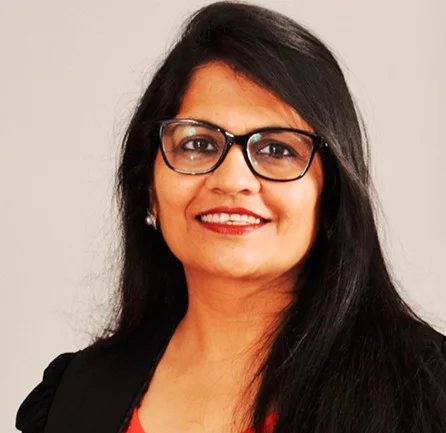
As we step into New Year 2026, many people set goals but hesitate to take the first step. Someone once said that those who begin the journey eventually reach their destination. The truth is simple. When you decide to walk forward, the path opens for you. Yet many of us stop ourselves before even trying.
Break the Cycle of Self-Doubt in 2026
Self-doubt often whispers that you do not fit in this world. You may think you lack skills, confidence, or personality. Thoughts like “I can’t speak well,” “People judge me,” “I feel embarrassed,” or “I am not good enough” haunt thousands every day. These thoughts damage self-esteem and stop personal growth.
Many people struggle to speak confidently or share their feelings. Some hesitate because they lack exposure. Others feel they do not have the communication or etiquette skills needed to blend in. But allowing these beliefs to control you will not bring change. Taking action will.
Focus on Strengths and Embrace Self-Acceptance
The world today needs more authenticity and self-acceptance. Instead of feeling sad about what you don’t have, feel grateful for what you already possess. Someone else may be wishing for the very things you take for granted.
Every person has a unique skill set. Some shine on stage while others make the backstage powerful. Both roles matter. Every successful event is the result of strong teamwork behind the scenes. So never compare yourself with others. Choose your path based on your strengths, not someone else’s success.
MUST WATCH
You are the king or queen of your own position. Observe others, learn from them, and still remain true to yourself. Improving yourself does not require changing your identity. It requires enhancing your potential.
To overcome personality insecurities, focus on building the skills you need. Develop a mindset that pushes you to act. Think as if there is no other option but to grow. Confidence comes when you decide to move forward despite fear.
The rule of personality development is clear: Self-acceptance first. Accept yourself so completely that society’s acceptance becomes a bonus, not a requirement.
But how do you begin?
Small Actions Create Big Transformations
Not everyone loves reading books or attending workshops. Still, growth is possible through small consistent actions. Read one page a day. Watch one inspirational video. Learn one new habit. These small drops will one day create an ocean of confidence.
Success never comes overnight. Look at the inspiring journey of Sundar Pichai, the CEO of Google. He came from a small town and started building his ocean drop by drop. Today he stands at the shore of the success he created with consistency and dedication.
If he can, you can too.
Adopt New Habits and Celebrate Your Flaws
When you adopt positive habits, growth becomes natural. Watch the change in yourself as you learn, adapt, and improve. Celebrate your flaws because they make you human. You are capable, talented, and unique. The key is to make the right efforts at the right time.
Step Into 2026 With Courage and Purpose
New Year 2026 is the perfect time to rebuild your confidence, strengthen your mindset, and start your journey toward self-growth. Walk forward with courage. Even small steps matter. Accept yourself, believe in your abilities, and create the life you dream of.
Your new journey begins now.
As we step into New Year 2026, many people set goals but hesitate to take the first step. Someone once […]
Being the best version of yourself in the corporate world is a completely different game than most people think. It’s more than what meets the eye. Since I(Ritu Singal)’m here to tell you what you need to hear, not what you want to hear, I’ll be direct..
If you’re already in the corporate world, you might know what I’m talking about.But if you’re not: welcome to the reality of Indian corporate life.
It’s Not Just About Skills—It’s a Strategy Game
The reality of Indian careers is frequently devastating..There are far too many people competing for the same position—and some will go to any lengths to get ahead, even if it means sabotaging others. Corporate life has become a strategic game. And if you’re spending 8+ hours in that environment, it *will* affect your mental health.
Being talented is just the beginning. You must also master:
* Leadership
* Negotiation skills
* Handling toxic coworkers
* Emotional resilience
* Client management
* Competing without burnout
**That’s** what being the best version of yourself in corporate really means.
That’s what I, Ritu Singal, offer—**career counselling + life coaching.**(seperately)
Even Regular Roles Need Smart Strategy
Even if your role is something like a graphic designer or admin professional, you still need to know the tricks of the trade.Office politics, workplace dynamics, and power play affect everyone—regardless of title.
The Difference Between Stagnation and Success
If you want to become an all-rounder—skilled in your work *and* excellent at people management—you need a career counsellor in India.
It may not have to be me, but it has to be someone.
Because that decision could be the difference between:
In my sessions, I evaluate you in depth—**more than just a SWOT analysis.**
If you’ve read my other blogs, you already know how I help people discover their hidden strengths and guide them to showcase those at work.You may have heard of me—Ritu Singal—the woman who turned her late husband’s debt-ridden business (₹50–60 crore in losses) into a profitable venture.
What’s the Secret? It’s Not What You Think
How did I do that?
Not by pushing people harder.
Not by making them stay late.
Not by demanding more.
I found each person’s unique strength—and amplified it.
It’s a career counselor’s secret.
And let’s be honest—most won’t tell you everything. I’ve shared some tips in my other blogs, but not every trick can be revealed.
What Am I Here For?
Yes, I’m here to offer my services. More significantly, though, I’m here to educate you.(self awareness).
Once you learn how to handle toxic clients and environments, **you become unstoppable**.
When the outer chaos doesn’t disturb your inner focus, you grow fast.
You stop reacting—and start strategizing.
Know the Game. Then Learn to Win It.
Now you know the game.
It’s time to learn how to *play* it.
To know more ,visit my website.
Being the best version of yourself in the corporate world is a completely different game than most people think. It’s […]
Hello everyone, I’m your Life Coach, Ritu Singal. I want to dive into a topic that affects every single one of us: control over your mind.
Seriously, stop for a second and ask yourself: Are you in control of your mind, or is your mind in control of you?
This question reminds me of a powerful story I want to share with you.
The Mouse, the Lion, and the Heart of Fear
Once, there was a mouse who prayed to God, “Oh God, I am terrified of cats. Please, do something.”
God transformed him into a cat.
But the new cat quickly returned, saying, “God, I am now terrified of dogs.”
So, God turned him into a dog.
Again, the dog came back: “God, I am so afraid of lions.”
Finally, God transformed him into a mighty lion.
Now, the lion was supposed to be king, but he still said, “God, I am afraid of hunters.”
God sighed and said, “My child, you will always be fearful because your heart is still that of a mouse.”
This story holds a mirror up to us. When we feel overwhelmed by fear, self-doubt, or procrastination, what is the ‘heart’ we’re operating from? Is it the heart of a powerful lion, or is it a mouse’s heart trapped inside a lion’s body?
This brings me to two important questions for you:
Is your ‘heart’—your true desire and will—yours, or is it controlled by your fears?
Does your mind work like a wise parent to you, guiding and nurturing, or do you let it behave like an unruly, spoiled child?
MUST WATCH
Our mind is very much like a child. If a child is left to run your life, chaos ensues. They’ll tell you to eat candy, skip work, and stay up late. Similarly, if we constantly feed the mind negative, restrictive, or fear-based thoughts—those ‘mouse’ thoughts—we are essentially failing our inner child.
If you are thinking about leaving this article right now, that is your inner child saying, “Just skip it! What’s there to talk about? We know everything already.”
That voice is a lie. You learn something new every day. You may have heard this before, but have you applied it? Learning is about applying, not just listening. If you watch this whole article and apply just one thing, your life will change—mine certainly did.
The Power of Mind Control: Unlocking Your Potential for Success
Imagine you’re trying to reach a specific destination, but you keep changing direction—sometimes going left, sometimes right, sometimes turning back. Will you ever arrive? No. You need to fix your destination and follow a proper direction.
Your mind is the same. It can be like a mad, untamed horse. If you sit on it without a bit and reins, who knows where it will take you, what disaster it will cause, or what irrational thing it will make you do?
For me, sometimes my mind felt like my beautiful, very affectionate dog, Gabby. He was so lovely that he would demand all my attention, making me forget about food, rest, and work. I realized I had to be the master, deciding when and how much time to give him, or else he would take me completely off my path.
To achieve anything significant in life, we must control the mind and guide it in the right direction.
Priorities: Catching the Right Rabbits
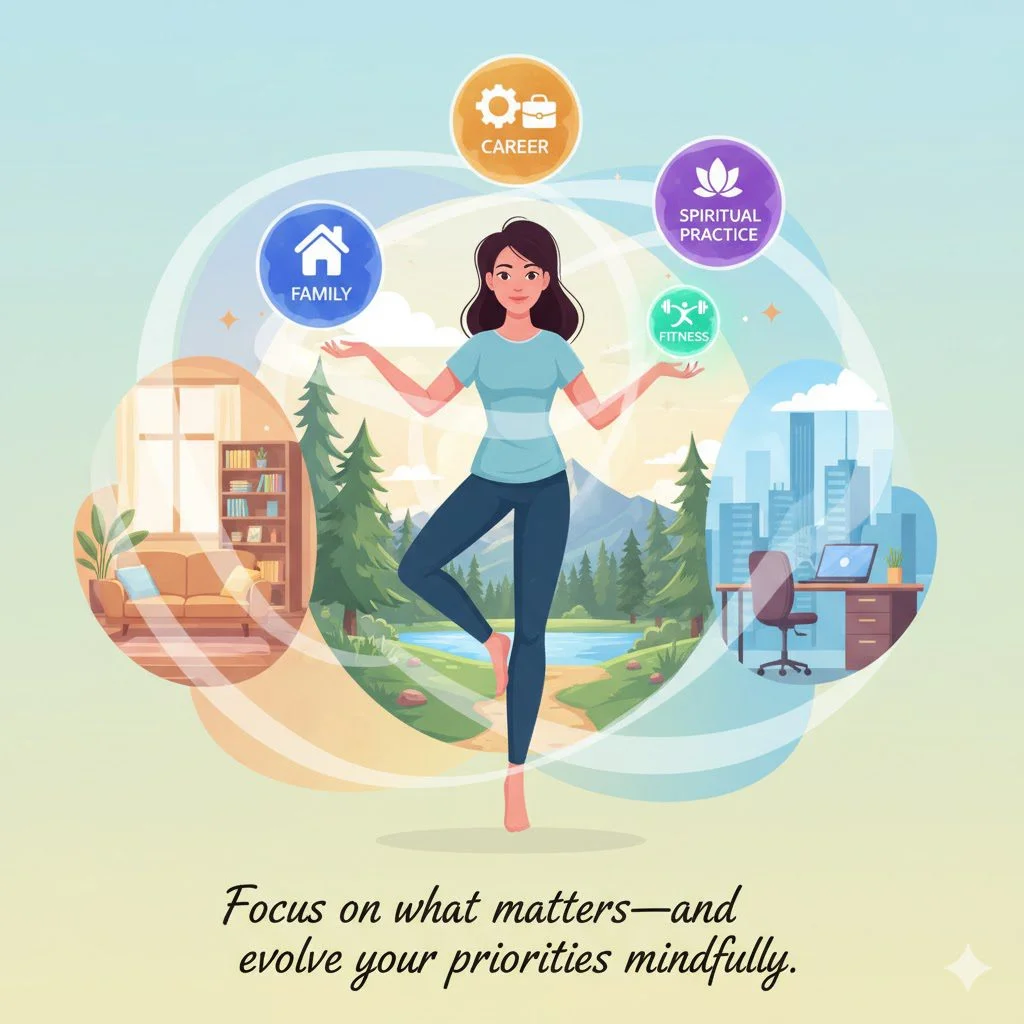
For a long time, I explained to my mind that I had three priority ‘rabbits’ to catch every day:
My Child (family)
My Work (career)
My Spiritual Practice (inner peace)
Anything else—like fitness, beauty, or excessive socializing—I considered a fourth thing that was not my priority. You can check out my video on Time Management for more on this—it’s packed with simple, applicable tips!
When I commanded my mind to stick to these three, it obeyed. But when I realized my fitness was suffering, I purposefully tuned my mind to add it to the list. I told myself, “Fitness is non-negotiable.” Despite having excuses for years—”I can’t wake up early,” “I’m too busy”—I eventually integrated it. Guess what? I am now fitter and able to take out time for everything.
The Power of Command: The Buddha’s Lesson
We often follow our mind instead of commanding it.
There is a story of a man whose wife died, leaving him with a small, restless child who distracted him from his work. The enlightened Buddha visited his shop. The man, worried, asked for help with the child. Buddha agreed with one condition: the father must say absolutely nothing.
For seven days, Buddha returned with different activities. One day he tossed his cap, making the child pick it up. The next day, he brought a hammer and wood, telling the child to break it. The father watched, scared, but remained silent. On the last day, the child was so engrossed in the activity that the Buddha simply left his cap there and the child didn’t even notice. The child had been given direction and a command for his energy.
When we don’t give our mind clear orders, it behaves like that restless child, causing mischief and distraction. Your mind is a powerful entity—you must be its commander.
Your Mind’s Astonishing Power: The Pin and the Cobra
How powerful is the mind? This story will shock you.
A man sentenced to death was given a choice: a quick death by a cobra bite or a slow, painful death by another poisonous animal. He chose the cobra.
On the day of execution, as he watched a figure approach with what he believed was the cobra, a cloth was put over his head, and he felt a sharp prick. He instantly died.
The astonishing part? He was not bitten by a cobra. He was merely pricked by a pin.
Even more unbelievable: the post-mortem showed poison in his body!
Your mind is so powerful that what you believe, your body manifests. If you tell your mind you are dying, it will produce the chemicals to kill you. If you tell your mind you are sick, it will weaken your immune system.
If we don’t feed our mind positive, empowering commands, we are creating our own poison.
The Horse with the Invisible Rope
Here is one more story to cement this idea:
At a horse festival, a servant realized he had forgotten the rope for one horse. His master told him, “No problem. Go and act as if you are tying him with a rope.” The servant went through the motions. The horse, convinced he was tied, stood there all night!
In the morning, the servant released the ropes on all the other horses, and they walked away. But this one horse remained. The master came and said, “You tied the rope, now you must act like you’re untying it.” Only when the servant went through the motions of removing the invisible rope did the horse finally move.
Your mind is that horse! It tells you: “You don’t have time. You can’t do this. It’s too difficult. No one loves you. You have this deficiency.” These are all invisible ropes that you have to consciously remove.
Your Next Step: Be the Wise Parent
We must stop living in a state of self-righteousness, where we either think we are always right or believe we are completely incapable. Both extremes are wrong.
Feed it: Command it with positive, empowering thoughts.
Direct it: Make it run in the direction you choose, not the direction it defaults to.
Stop letting your mind govern you. Start governing your mind. I hope you now feel ready to take control and guide your mind like the wise, capable person you are.
Understanding why we feel unhappy is the first step toward real transformation. When we diagnose the root cause, the solution becomes easier. As a life coach, I see many people struggling for the same reasons. Today, I want to share my personal analysis of why we suffer and how we can break free.
We Become Chain Thinkers
I believe one major reason for our unhappiness is overthinking. Our mind becomes a chain smoker, but with thoughts. It keeps burning negativity one after another. These nonstop negative thoughts drain our energy. They keep us anxious and confused. When the mind thinks endlessly, peace becomes impossible.
We Live in the Past or the Future
Another cause of suffering is our inability to stay present. We either revisit old memories or fear the future. We rarely live in the moment. When we ignore the present, we lose control. Life slips away while our mind wanders in timelines that no longer exist.
MUST WATCH
We Trust Superstitions More Than Ourselves
Many people still believe more in superstitions than in action. India is famous for this mindset. A client recently told me that instead of focusing on finding a life partner, her family kept visiting priests. She is a brilliant 35-year-old professor, yet guided into believing that someone had done something to her. For three years, she kept doing rituals instead of taking real steps. When we depend on superstitions, we delay progress and lose confidence.
Social Media Exhausts Our Mind
Social media is another silent killer of happiness. It steals time, drains mental energy, and destroys self-worth. We keep watching others’ lives and start feeling bad about our own. I feel 99.99% of people relate to this. The constant comparisons weaken us emotionally. We forget our strengths while chasing illusions.
We Obsess Over Loss and Gain
We constantly calculate outcomes. What if I fail? What if I lose? What will I gain? This nonstop analysis traps us in fear. Instead of taking action, we remain stuck in “what ifs.” Success needs courage, not endless evaluation.
We Allow Toxic People to Influence Us
Toxic people are everywhere. Sadly, we give them space in our lives. We listen to them, accept their opinions, and let them break our confidence. The wrong company can destroy even the strongest person. When my daughter went to school, I told her only one thing: choose good friends. The right company builds us. The wrong one breaks us.
We Compare, Feel Jealous, and Feed Ego
Comparison is another dangerous habit. Social media increases it. When we compare our life with others, we lose peace. Jealousy grows. Ego grows. We stop learning. Instead of taking action, we spend time thinking about others. This mindset blocks success and happiness.
You may have noticed that even in the same family, children grow differently. One becomes successful while the other struggles. One follows a bad habit while the other rejects it. I have seen two siblings with an alcoholic father. One decides to drink because the father did. The other never touches alcohol because he saw the damage. Our choices shape our direction. Our direction shapes our destiny.
There Are Only Two Solutions
After working with thousands of people, I believe there are only two solutions.
1. Get Up and Take Action
Nothing will change unless you act. You will not find solutions by thinking about the past or worrying about the future. You will not find answers from priests, toxic people, or social media. You will not grow by comparing or complaining. Action is the only medicine. Stand up. Move forward. Start now.
2. Strengthen Yourself Spiritually
Spirituality helps us stay grounded. Read good books. Pray. Meditate. Spend time with yourself. When your inner world becomes peaceful, your outer world becomes easier to handle. Spiritual practice builds clarity. It gives strength to fight negativity, depression, and confusion.
Take Charge of Your Life Today
The real cause of suffering is simple: we are lost in thoughts, fears, comparisons, and negativity. We are not taking action. When you break these habits, life changes. Happiness returns. Success becomes possible. Clarity replaces confusion.
So please, get up. Take action. Start now. Your new life is waiting for you.
Courage is not the absence of fear, but rather the judgment that something else is more important than fear. This quote resonates deeply with the story of Ritu Singal, a renowned life coach and entrepreneur who has defied all odds to achieve success.
Overcoming Tragedy and Adversity
In 2007, Ritu Singal’s life took a drastic turn when she lost her husband under tragic circumstances. Despite being shattered, she gathered all her courage to save her business from destruction. The path ahead was not easy, with the company facing an outstanding loan of ten million dollars and several real estate issues. However, Ritu’s determination and never-give-up attitude propelled her forward.
Breaking Barriers: Ritu Singal’s Story of Perseverance and Leadership
With an undying spirit, Ritu Singal rose like a phoenix, fighting against all odds and societal expectations. Her resilience and perseverance paid off, as she not only rebuilt her company but also became a leader in her industry. Today, she is the managing director of Raglan Infrastructure Pvt. Ltd., a pioneer in the real estate business.
MUST WATCH
Awards and Recognition
Ritu Singal’s commendable work in the community has earned her numerous awards and recognition. Some of her notable achievements include ¹:
– Woman Entrepreneur of the Year 2011: Awarded by ET Now Pan India for her outstanding contribution to the industry
– Pan India Outstanding Personality of the Year: Recognized for her leadership and entrepreneurial skills
As a life coach, Ritu Singal has guided innumerable individuals through dynamic phases of life. Her story serves as a testament to the human spirit’s capacity for resilience and determination. She believes that even transforming one life can have a profound impact, and her mission is to help people awaken to their life’s purpose.
Lessons from Ritu Singal’s Journey
Ritu Singal’s journey offers valuable lessons for anyone facing adversity:
– Courage is key: Standing up for what you believe in, even in the face of fear, is crucial for success.
– Resilience is essential: Bouncing back from setbacks and failures is vital for growth and progress.
– Determination is everything: Never giving up on your goals and dreams can lead to remarkable achievements.
Beyond Fear: Ritu Singh’s Timeless Lesson in Courage and Purpose
The story of Ritu Singh is more than just a tale of corporate turnaround. It is a timeless lesson in what it means to be truly courageous. It reminds us that courage isn’t about the absence of fear; it’s about the presence of a purpose that is greater than that fear.
Are you facing a challenge that seems insurmountable? A personal crisis, a business setback, or a life-altering decision? Remember Ritu Singh’s journey. Remember that your fear is a natural response, but it doesn’t have to be the final answer. You have the power to judge that something else is more important: your dreams, your legacy, your future.
Let her story be the inspiration you need to take that first step. Find your purpose, gather your resolve, and rise like a phoenix. The path may not be easy, but the journey to finding your own courage is the most rewarding one you’ll ever take.
Courage is not the absence of fear, but rather the judgment that something else is more important than fear. This […]